
Trees
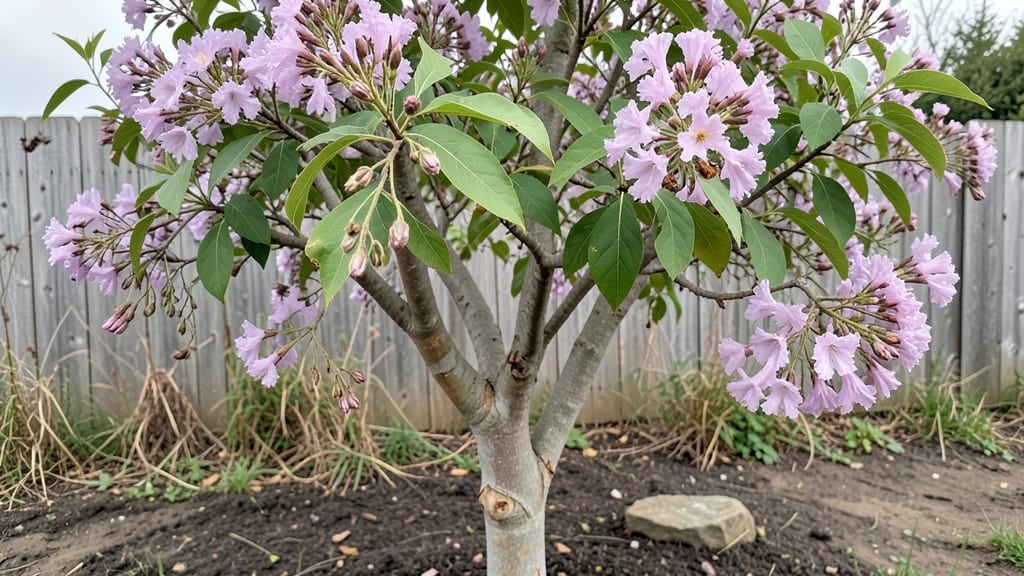
Pink flower clusters from a tree transform any yard into a springtime masterpiece 🌸, and the Bradford Pear is one of the showstoppers that does it effortlessly.
Imagine a backyard bursting with vibrant pink blooms that arrive right on schedule every March, drawing bees and butterflies while turning heads in the neighborhood.
These trees aren’t just pretty—they’re built to thrive with minimal fuss, making them the perfect choice for gardeners who want year-round visual impact without the upkeep.
If you’re in USDA Zone 6a or warmer, you already have the climate to grow one of these stunning varieties. Planting in early spring gives roots time to establish before summer heat, and with just 6+ hours of sun daily, they’ll reward you with dramatic blooms that last for weeks.
Below, I’ll walk you through everything you need to know—from selecting the perfect spot to keeping your tree healthy through every season—so you can enjoy that dreamy pink canopy for years to come.
5 Trees with pink flower clusters that thrive in any garden
Adding a tree with pink flower clusters to your landscape instantly creates a focal point that draws pollinators and complements any garden style. These trees offer seasonal interest, from delicate spring blooms to vibrant fall foliage.
Whether you have a small urban yard or spacious rural property, there’s a pink-flowering tree that will thrive in your space and climate.
I’ve selected five standout varieties known for their dramatic pink blooms, ease of care, and adaptability. From the iconic Japanese cherry to the hardy bridal wreath spirea, each tree brings unique textures and colors to your garden while requiring minimal maintenance once established.
🌸
| Tree Variety | USDA Zones | Mature Height | Sunlight Needs | Bloom Time | Key Features |
|---|---|---|---|---|---|
| Japanese Cherry (Prunus serrulata) | 5-8 | 25-40 ft | Full sun | Early spring | Delicate pink blossoms, weeping branches, attracts butterflies |
| Pink Dogwood (Cornus florida) | 5-9 | 15-25 ft | Partial shade to full sun | Late spring | Showy pink bracts, glossy leaves, wildlife-friendly |
| Bridal Wreath Spirea (Spiraea prunifolia) | 3-8 | 6-10 ft | Full sun | Early to mid-spring | Abundant pink clusters, drought-tolerant, low-maintenance |
| Bradford Pear (Pyrus calleryana) | 5-9 | 30-40 ft | Full sun | Early spring | Fragrant pink blossoms, fast-growing, urban-friendly |
| Pink Magnolia (Magnolia stellata) | 4-8 | 10-15 ft | Full sun to partial shade | Early spring | Star-shaped pink flowers, compact size, fragrant blooms |
The Japanese cherry is a showstopper with its cascading branches heavy with pink blossoms in early spring. Native to Japan, this tree thrives in USDA zones 5-8 and reaches heights of 25-40 feet.
For best results, plant it in well-draining soil with full sun exposure. Prune lightly after flowering to maintain its natural shape, and avoid heavy pruning, which can reduce next year’s bloom production.
If you prefer a smaller tree with year-round interest, the pink dogwood is an excellent choice. Its showy pink bracts appear in late spring, followed by glossy green leaves that turn vibrant red in fall.
This tree adapts well to partial shade, making it ideal for woodland gardens or shaded backyards in zones 5-9. Mulch around the base to retain moisture and protect roots from temperature fluctuations.
For a low-maintenance option, consider the bridal wreath spirea. This deciduous shrub (often grown as a small tree) bursts with dense pink clusters in early to mid-spring and requires minimal care.
Thriving in full sun and zones 3-8, it’s drought-tolerant once established. Shear lightly after flowering to encourage bushier growth, but avoid heavy pruning to preserve its natural form.
🌿
The Bradford pear is a fast-growing tree that produces fragrant pink blossoms in early spring, followed by small pears that birds love. Native to Asia but widely naturalized in North America, it’s perfect for urban landscapes in zones 5-9.
Plant it in well-draining soil with full sun and water deeply during the first year to establish strong roots. Be aware that some cultivars produce messy fruit, so choose a thornless variety if this is a concern.
Finally, the pink magnolia offers elegant star-shaped flowers that appear in early spring before the leaves unfold. This compact tree (10-15 feet tall) thrives in zones 4-8 and tolerates partial shade, making it versatile for various garden settings. Plant in acidic, well-draining soil
How to identify pink flowering trees in your area
Identifying pink flowering trees in your garden or neighborhood starts with observing key features like leaf shape, bark texture, and bloom timing. Many trees with pink flower clusters share similar colors but differ in structure and growth habits.
For example, Japanese cherry trees have delicate, lace-like petals, while bridal wreath spirea produces dense, rounded clusters. Start by noting whether the blooms appear in early spring, late winter, or even summer—this narrows down your options significantly.
Another critical clue is the tree’s leaf arrangement and bark pattern. Smooth, gray bark often belongs to Bradford pear trees, while rough, furrowed bark suggests dogwood varieties.
Pay attention to the flower cluster shape too: some trees, like magnolias, have large, solitary blooms, while others, like serviceberry, produce smaller clusters along branches. These details help distinguish between common look-alikes that might confuse even experienced gardeners.
| Tree Type | Leaf Shape | Bark Texture | Bloom Time | Cluster Shape |
|---|---|---|---|---|
| Japanese Cherry (Prunus serrulata) | Oval, serrated edges | Smooth, dark brown | Early spring | Delicate, drooping clusters |
| Bradford Pear (Pyrus calleryana) | Oval, glossy green | Smooth, gray | Late winter/early spring | Round, dense clusters |
| Pink Dogwood (Cornus florida) | Opposite, oval | Rough, furrowed | Spring | Single, showy blooms |
| Bridal Wreath Spirea (Spiraea prunifolia) | Oval, fine-toothed | Smooth, reddish-brown | Late spring | Flat-topped clusters |
| Serviceberry (Amelanchier spp.) | Elliptical, serrated | Exfoliating, gray-brown | Early spring | Small, rounded clusters |
Seasonal bloom timing is your best friend when identifying pink flowering trees. Early spring bloomers, like Japanese cherries and serviceberries, often appear before leaves emerge, while late spring varieties, such as bridal wreath spirea, follow leaf-out.
Create a simple bloom calendar by noting which trees flower first in your area. For instance, Bradford pears typically bloom in late winter, making them one of the first trees to brighten up the landscape.
If you’re still unsure, examine the flower cluster structure. Trees like dogwoods have solitary, four-petaled blooms, while spireas produce flat-topped clusters resembling bottlebrushes. Even the scent can help: magnolias often emit a sweet fragrance, whereas cherry blossoms have a lighter, more delicate aroma.
Keep a small notebook handy during walks—jotting down these details will make identification much easier.
Don’t overlook the fruit or seed pods that follow blooms. Some pink flowering trees, like serviceberries, produce edible berries, while others, like Bradford pears, develop small, hard fruits. These features can be a game-changer when distinguishing between similar-looking trees.
For example, dogwoods develop red berries in fall, while spireas produce seed heads that persist into winter, adding texture to your garden.
Finally, consult local gardening resources or apps like iNaturalist or PictureThis to cross-reference your observations. Upload photos of the tree’s leaves, bark, and flowers for instant identification. Many communities also host tree-mapping projects, where you can contribute sightings and learn from others’ experiences.
With a little practice, you’ll become a pro at spotting these stunning pink flowering trees in no time!