
Blooming
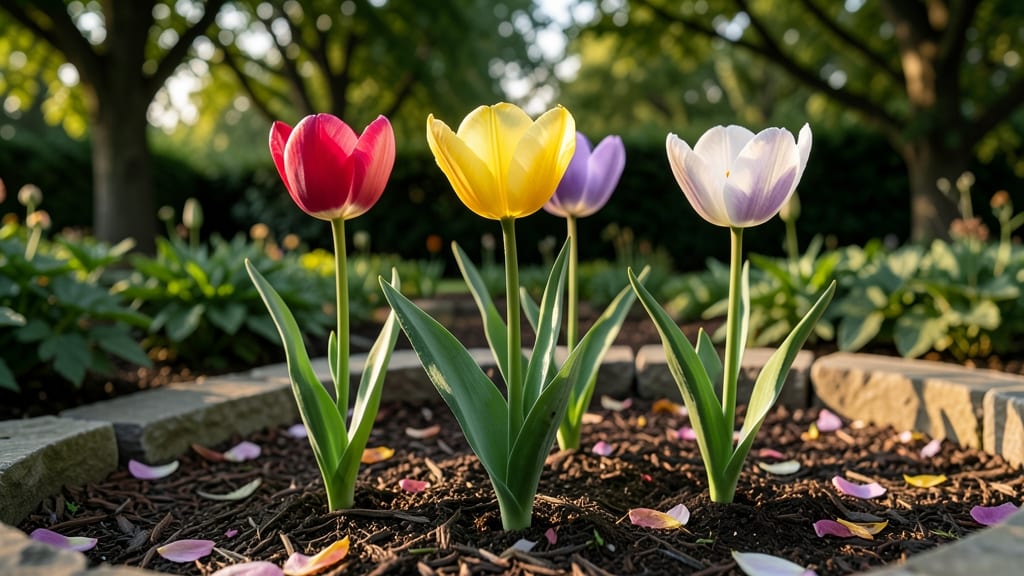
The tulip flower blooming season arrives with a splash of color that brightens every spring garden—but timing is everything to get the most vibrant display.
Nothing beats the sight of tulips bursting into vibrant blooms—except knowing exactly when to expect them in your garden. But did you know different tulip varieties bloom at different times, some even pushing spring’s boundaries?
From early bloomers like 'Queen of Night' to late-season stars such as Darwin Hybrids, each variety has its own schedule. In USDA Zone 6a, most tulips bloom between April and May, but cooler climates can delay them by weeks.
Learn how to time your plantings for a longer, more colorful season—plus tips to protect your blooms from frost and extend their beauty with smart techniques.
Tulip blooming season by variety: exact months for peak color
Timing is everything when it comes to tulips, and different varieties bloom at dramatically different times. Early bloomers like Kaufmanniana tulips can appear as early as late March in Zone 6, while late-season Darwin Hybrid varieties may not peak until late May.
Understanding these windows lets you create a non-stop spring color show in your garden.
Your USDA Zone plays a critical role in bloom timing. In colder Zones 3-4, tulips often bloom 2-3 weeks later than in milder Zones 7-8. For example, 'Queen of Night' tulips might bloom in mid-April in Zone 7 but wait until late May in Zone 4.
Always adjust expectations based on your local frost dates.
Here’s a variety-by-variety breakdown of tulip blooming seasons, including regional adjustments for Zones 3-8. Use this as your garden planning guide to ensure continuous color from early spring through late May.
| Variety Type | Bloom Window (Zone 6) | Bloom Window (Zone 4) | Bloom Window (Zone 8) | Height (inches) | Color Palette |
|---|---|---|---|---|---|
| Early Bloomers (Kaufmanniana) | Late March - Early April | Early May | Mid-March | 6-12 | Red, Yellow, Pink |
| Mid-Season (Darwin Hybrids) | Mid-April - Early May | Late May - Early June | Late March - Mid-April | 20-26 | Red, Orange, Yellow |
| Late Bloomers (Parrot Tulips) | Late April - Mid-May | Early June | Early April | 18-24 | Pink, Purple, Bicolor |
| Species Tulips (Fosteriana) | Early April | Mid-May | Late March | 12-18 | White, Yellow, Red |
| Double Late (Queen of Night) | Mid-May | Early June | Early April | 24-30 | Deep Purple |
Adjust bloom dates by ±2 weeks depending on local microclimates and frost patterns.
If you’re in Zone 3, expect tulips to bloom 3-4 weeks later than the Zone 6 timeline above. For example, 'Red Emperor' Darwin Hybrids might not peak until early June in colder climates. Conversely, Zone 8 gardeners can enjoy 'Queen of Night' tulips as early as late March.
For a continuous bloom display, I recommend planting a mix of early, mid, and late-season varieties. Start with Kaufmanniana tulips in late March, follow with Darwin Hybrids in April, and finish with Parrot Tulips in late April to early May.
This layered approach ensures your garden stays vibrant for 6-8 weeks.
Don’t forget that soil temperature also affects bloom timing. War
How to extend your tulip blooming season with smart planting
Want your garden to burst with tulip blooms from early spring through late spring? The secret lies in strategic planting and variety selection. By layering bulbs and choosing succession bloomers, you can create a continuous display that lasts for weeks—not just a fleeting burst of color.
Most gardeners plant all their tulip bulbs at once, expecting a single 2-week bloom window. But with the right techniques, you can stretch that into 6-8 weeks of vibrant flowers. Start by selecting varieties with staggered bloom times, like 'Queen of Night' (early) and 'Red Emperor' (late).
- 1 Layer bulbs by height – Plant tall varieties (24"+) in the back, medium (12-18") in the middle, and dwarf (6-12") in front. This creates a natural cascading effect and prevents taller blooms from shading shorter ones.
- 2 Choose succession bloomers – Pair early tulips ('Queen of Night') (March-April) with mid-season ('Apeldoorn') (April-May) and late bloomers ('Darwin Hybrids') (May-June). This ensures non-stop color as one variety fades and another takes over.
- 3 Force winter blooms indoors – Plant paperwhite tulips in containers in September and keep them in a cool, dark place (40-50°F) until December. Move them to bright light to trigger blooms by Christmas or New Year's.
- 4 Plant in stages – Divide your bulbs into 3 groups and plant them 3-4 weeks apart in fall. This creates a rolling bloom effect as each group emerges at different times.
- 5 Use color coordination – Group cool tones (purple, white) for early blooms and warm tones (red, orange) for late-season varieties. This creates a visual progression that feels intentional and stunning.
Forcing tulips indoors is one of my favorite tricks to beat winter blues. Paperwhite tulips, in particular, are perfect for forcing because they thrive in containers and low-light conditions.
Plant them in a shallow tray with well-draining soil and place it in a cool basement or garage until December. When you move them to a sunny windowsill, they’ll bloom in just 3-4 weeks.
Don’t forget to mulch heavily after planting to insulate bulbs and protect them from frost heaves. Use straw or shredded leaves (4-6 inches thick) to keep soil temperatures stable. This helps early bloomers like 'White Dream' push through the soil faster in spring.
With these strategies, your tulips won’t just bloom—they’ll perform a full-season show, turning your garden into a vivid, ever-changing masterpiece. 🌷