
Shrubs
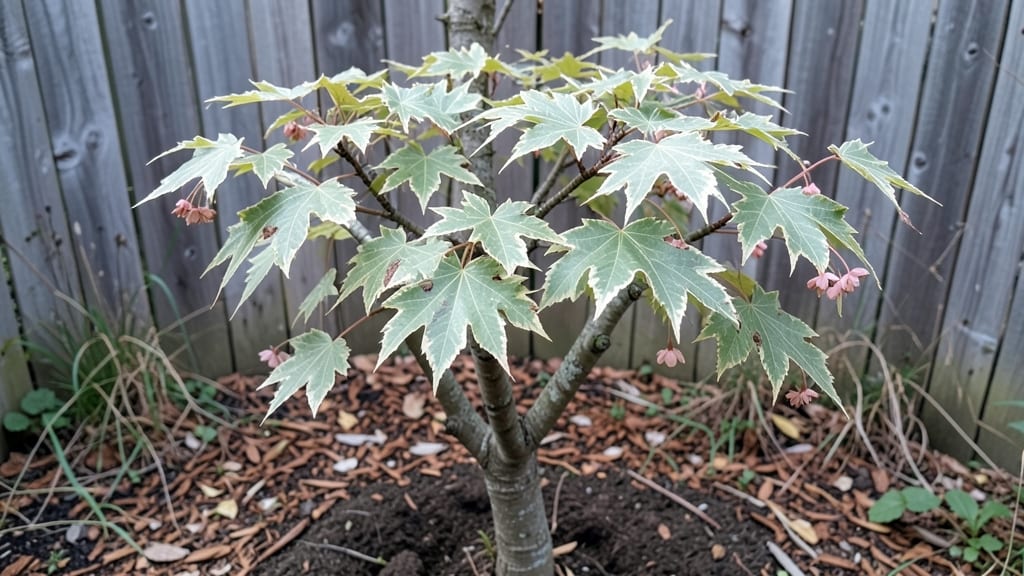
Growing a variegated flowering maple 🌿 means adding a splash of color to your shade garden that lasts all year—from delicate spring blooms to golden foliage and fiery fall hues.
Imagine a shade garden that bursts with color in every season—spring blooms, golden foliage, fiery fall hues, and even winter interest. The variegated flowering maple (Acer japonicum or Acer palmatum cultivars) makes this vision possible, blending delicate flowers with stunning variegated leaves for year-round drama.
But here’s the catch: these stunning trees need the right conditions to keep their variegation vibrant and their growth strong. Too much shade? The leaves lose their striking patterns. Too much sun? They can scorch. And if you plant them in the wrong soil, they’ll struggle to thrive.
In this guide, I’ll show you exactly how to plant, care for, and protect your variegated flowering maple so it stays healthy, colorful, and show-stopping for decades. Let’s get started.
Top 5 variegated flowering maple varieties for stunning year-round color
Variegated flowering maples transform shade gardens into living art pieces with their contrasting foliage and seasonal color shifts. These cultivars combine delicate spring blooms with golden, creamy, or pink-edged leaves, ensuring visual interest from buds to bare branches.
Whether you crave compact specimens for small yards or statement trees for landscapes, these five varieties deliver.
I’ve selected these top performers based on foliage patterns, flower displays, fall colors, and garden adaptability. Each brings something unique—from dwarf stature to vibrant variegation that intensifies in full sun. Let’s dive into the specifics so you can choose the perfect variegated maple for your space.
🚨 comparison table ELEMENT 🚨
For maximum variegation, prioritize morning sunlight and well-draining soil. The 'Bloodgood Variegatum' stands out for its bold red-and-cream contrast, while 'Aureum Variegatum' thrives in sunnier spots, showcasing its golden foliage year-round. If space is limited, the 'Shishigashira Variegatum' offers a compact yet striking option.
Each variety responds differently to light exposure. For example, 'Osakazuki Variegatum'’s silver-white leaves glow most beautifully in dappled sunlight, while 'Coral Bark Variegatum' delivers vibrant pink blooms followed by purple fall foliage. These contrasts make them ideal for layered shade gardens or as solitary specimens.
When selecting your maple, consider your garden’s microclimate. Coastal gardens may favor more drought-tolerant varieties like 'Bloodgood Variegatum', while inland areas benefit from 'Aureum Variegatum'’s sun-loving nature.
Always check the mature size to avoid overcrowding—'Shishigashira Variegatum' fits tight spaces, while larger varieties need 15+ feet of clearance.
Pro tip: Plant variegated maples near pathways or patios to highlight their foliage patterns as you move through your garden. Pair them with ferns or hostas to create a textured shade combination. Their spring flowers also attract pollinators, adding another layer of ecological benefit to your landscape.
Remember, variegation intensity often increases with more sunlight, but avoid harsh afternoon sun to prevent leaf scorch. If your garden has limited sun, opt for 'Osakazuki Variegatum'—it tolerates lower light while still delivering show-stopping foliage.
For long-term success, mulch annually with organic matter to retain moisture and protect roots. These maples are low-maintenance once established, but they reward attention to detail with year-round visual appeal.
Whether you’re drawn to bold reds, soft silvers, or sunny golds, there’s a variegated flowering maple perfect for your vision.
Start with one variety to test your garden’s conditions, then expand your collection over time. The
How to plant and care for variegated flowering maples for maximum variegation
Variegated flowering maples (Acer japonicum or Acer palmatum cultivars) are showstoppers in shade gardens, but their stunning variegated foliage requires precise care. To unlock their full potential, focus on soil preparation, proper spacing, and strategic pruning.
These steps ensure vibrant creamy-white or golden edges that contrast beautifully with deep green centers. The key lies in mimicking their native woodland conditions while preventing stress that dulls their color.
Start by selecting a planting site with partial shade—3-6 hours of morning sun is ideal. Avoid hot afternoon sun, which can scorch delicate variegated leaves. Test your soil for acidity (pH 5.0-6.5) and amend with organic matter like compost or well-rotted leaf mold.
These maples thrive in moist, well-draining soil, so avoid heavy clay or waterlogged areas where roots suffocate. A slightly acidic soil promotes healthier chlorophyll production, enhancing variegation.
When planting, dig a hole twice as wide as the root ball but no deeper. Gently loosen roots if pot-bound and place the tree so the root flare sits 1-2 inches above ground level. This prevents stem rot while allowing roots to access oxygen.
Space smaller cultivars (10-15 ft mature) 8-10 feet apart, while larger varieties need 15-20 feet to avoid competition. Mulch with 2-3 inches of organic mulch, keeping it 6 inches away from the trunk to prevent rot.
Watering is critical in the first year. Provide deep watering 2-3 times per week to encourage deep root growth. Once established, reduce to weekly deep soaks during dry spells. Overhead watering can promote fungal diseases like anthracnose, so use drip irrigation or soaker hoses.
In winter, reduce watering to monthly unless the ground is bone-dry. Avoid winter watering unless temperatures drop below -10°F, which can crack the bark.
Fertilization should be light and balanced to avoid burning roots or reducing variegation. Use a 10-10-10 slow-release fertilizer in early spring (March-April) and mid-summer (July). Apply half the recommended dose and water thoroughly afterward.
Skip fertilization in fall and winter—these maples enter dormancy and don’t need extra nutrients. Avoid high-nitrogen fertilizers, which promote lush green growth at the expense of variegation.
Pruning plays a dual role: shaping your tree and boosting variegation. Prune in late winter or early spring before new growth begins. Remove dead, diseased, or crossing branches first, then thin out 10-15% of the canopy to improve airflow.
For rejuvenation pruning, cut back older branches to encourage new growth with brighter variegation. Always use sterilized pruners and make cuts just outside the branch collar to prevent infections.
Watch for pests like scale insects or diseases such as powdery mildew, which can stress your maple and dull variegation. Treat scale with neem oil and powdery mildew with baking soda spray (1 tbsp baking soda + 1 quart water + a drop of dish soap).
Monitor for aphids on new growth and hose them off immediately. Healthy soil and proper spacing reduce these issues, so prevention is your best tool. With these care tips, your variegated flowering maple will dazzle with year-round color and become the centerpiece of your shade garden. 🌿