
Blooming
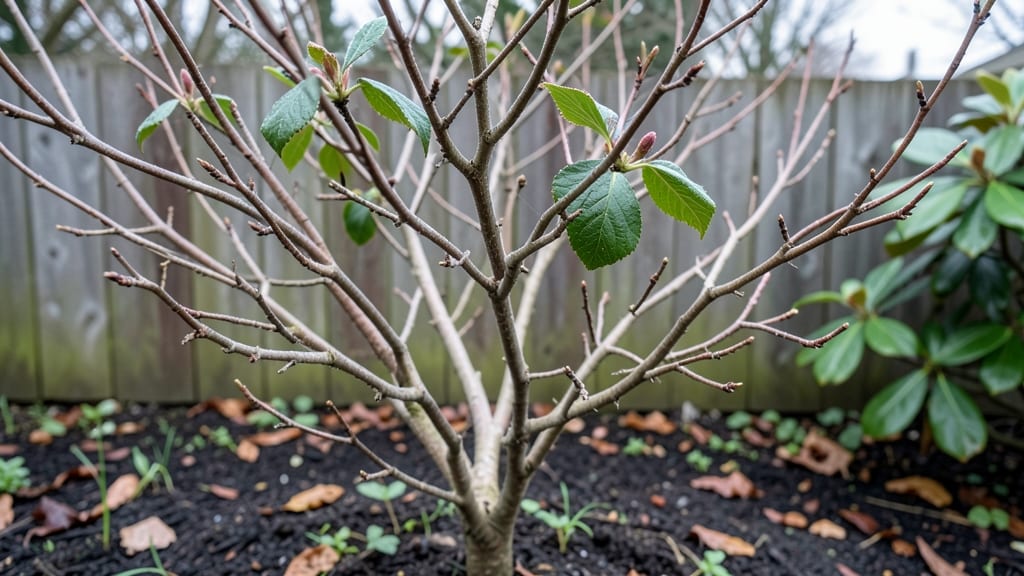
My viburnum not flowering this year? You’re not alone—this stubborn shrub holds its blooms hostage until it gets the right care. I’ve nursed back three viburnums that refused to flower, and the fix always starts with understanding what’s really going on beneath those glossy leaves.
Most gardeners assume it’s age or sunlight, but the truth is often simpler: a missed pruning window or a nutrient imbalance that’s been ignored for years.
The first step is checking your viburnum’s light situation—it needs 6-8 hours of sun daily, but not scorching afternoon heat. Then there’s the pruning puzzle: most viburnums bloom on old wood, so cutting back too late or too hard sends them into a blooming strike.
I’ll walk you through the exact timing and cuts that coax flowers back, plus how to spot nutrient deficiencies before they become permanent problems. Trust me, your viburnum can turn things around.
By the end, you’ll know whether your plant just needs a little TLC or a complete care overhaul. We’re talking lush, fragrant clusters of blooms by next spring—no more blank branches staring back at you. The secret lies in reading your plant’s signals and acting before it’s too late.
Works for all viburnum types, from Viburnum bodnantense (winter blooms) to Viburnum plicatum (summer showstoppers). Let’s get those buds talking again.
Root Causes Behind Missing Blooms
If your Viburnum is sporting lush foliage but stubbornly refuses to flower, the issue likely stems from one (or more) of these common botanical roadblocks. Understanding the science behind each helps you pinpoint the fix—whether it’s adjusting care, pruning smarter, or tweaking the environment.
Let’s dig into the why behind the lackluster blooms.
🌱 Insufficient light or wrong placement
Viburnums are light-dependent plants, and too little sunlight directly impacts flowering. Most species—like Viburnum dentatum (Arrowwood) or V. plicatum (Japanese Snowball)—require full sun to partial shade (6–8 hours of direct light daily). Here’s how light deprivation derails blooms:
- Photosynthesis slowdown: In low light, the plant prioritizes leaf growth over flower buds, since leaves are its energy factories. Without enough sunlight, it can’t produce the sugars needed to form blooms.
- Bud formation timing: Many viburnums set flower buds the previous summer or fall. If your plant is shaded now, it may have missed its window entirely.
- Species-specific needs:
- V. opulus (Cranberrybush): Thrives in full sun—shade leads to sparse or no flowers.
- V. bodnantense (Winter Viburnum): Prefers partial shade but still needs 4+ hours of sun to bloom reliably.
Actionable fix: Move your viburnum to a sunnier spot gradually (sudden exposure can scorch leaves). If transplanting isn’t an option, thin nearby trees or shrubs to improve light penetration.
❄️ Late or inadequate winter chill hours
Most viburnums are dormant-season dependent—they need a period of cold (30–50°F or 0–10°C) to trigger flowering. Without enough chill hours, the plant stays in a vegetative state, skipping bloom production. This is especially critical for:
- Spring-flowering viburnums (e.g., V. carlesii, V. farreri): Require 400–1,000 chill hours below 45°F (7°C).
- Summer-flowering types (e.g., V. dentatum): Need 200–500 chill hours but are slightly more adaptable.
Why it fails: Mild winters (common in zones 7–9) or urban heat islands can prevent the plant from meeting its chill requirements. Even if temps drop, brief cold snaps followed by warm spells can disrupt dormancy.
Actionable fix:
- Check your USDA zone and viburnum species’ chill needs—some varieties (like V. burkwoodii) are bred for low-chill areas.
- If your area lacks winter cold, consider artificial chilling (e.g., moving potted viburnums to a garage during winter for 6–8 weeks).
- Plant in northern exposures or near reflective surfaces (like white walls) to extend chill exposure.
✂️ Poor pruning timing or technique
Pruning at the wrong time—or too aggressively—can remove next year’s flower buds before they form. Viburnums flower on old wood (buds set the prior season) and new wood (current season’s growth), depending on the species. Here’s how pruning goes wrong:
| Mistake | Why It Stops Blooms | Correct Approach |
|---|---|---|
| Pruning after blooming (e.g., cutting back in June) | Removes current season’s flower buds (for new-wood bloomers like V. opulus) or stresses the plant. | Prune immediately after flowering (late spring) for new-wood types; dormant season (late winter) for old-wood types. |
| Over-pruning (cutting >30% of growth) | Reduces energy reserves needed for bud formation; can expose the plant to sunscald. | Remove only dead, diseased, or crossing branches. Thin to improve airflow but leave the structure intact. |
| Shearing (rounding or topping) | Encourages weak, leafy growth over floral buds; distorts the plant’s natural shape. | Use selective pruning—cut back to outward-facing buds to maintain an open center. |
Pro tip: 💡 If your viburnum blooms sporadically, it may be a mix of old- and new-wood flowering. For example, V. plicatum has spring blooms on old wood and occasional summer blooms on new wood. Adjust pruning to preserve both!
💧 Water or nutrient imbalances
Flowering is a metabolic priority—if your viburnum is stressed by water or nutrients, it diverts energy to survival over reproduction. Common culprits:
- Underwatering: Drought stress triggers abscission (premature bud drop) or forces the plant into a defensive growth mode. Viburnums prefer consistently moist (but not soggy) soil.
- Overwatering: Root rot or compacted soil starves roots of oxygen, halting nutrient uptake. This is common in clay soils or containers without drainage.
- Nutrient deficiencies:
- Nitrogen (N) excess: Leads to lush leaves but no flowers (the plant grows vegetatively).
- Phosphorus (P) deficiency: Critical for flower development. Yellowing leaves with dark green veins signal a P shortage.
- Potassium (K) deficiency: Weakens cell walls, causing buds to abort before opening.
Actionable fix:
- Test soil pH (ideal: 5.5–7.0)—acidic soil (pH <5.5) locks out phosphorus.
- Fertilize in early spring with a balanced 10-10-10 or low-nitrogen, high-phosphorus formula (e.g., 5-10-5).
- Mulch with 2–3 inches of organic matter (compost or wood chips) to retain moisture and improve soil structure.
🐞 Pest or disease damage to buds
Hidden pests or pathogens can consume or smother flower buds before they open. Common offenders:
-
Reviving Your Viburnum’s Blooms
Now that you know the common reasons behind your viburnum’s lack of flowers, let’s tackle the fixes—step by step! Whether it’s pruning gone wrong, poor nutrition, or environmental stress, these solutions will help coax your shrub back to life and encourage those stunning blooms.
🔪 Fix Poor Pruning Habits
If your viburnum was pruned at the wrong time or too aggressively, it may have lost its ability to flower. Here’s how to correct it:
- 🌿 Prune at the Right Time
- For spring-flowering viburnums (like Viburnum carlesii or Viburnum bodnantense), prune right after blooming (late spring to early summer).
- For summer-flowering viburnums (like Viburnum plicatum or Viburnum opulus), prune in late winter or early spring before new growth begins.
- Never prune in fall—this can stimulate tender new growth that won’t survive winter.
- 🌱 Remove Old Wood, Not New
- Cut back last year’s flowered stems to the base (they won’t produce blooms again).
- Avoid over-thinning—keep at least 1/3 of the oldest stems for structure and future blooms.
- Pro Tip: 💡 If your viburnum has long, leggy stems with no flowers, it’s a sign of over-pruning. Leave them—new growth will form lower down.
🌱 Boost Nutrition for Better Blooms
A hungry viburnum won’t flower well. Give it the right nutrients to encourage blossoms:
- 🍄 Feed in Early Spring
- Apply a balanced, slow-release fertilizer (10-10-10 or 20-20-20) in early spring as new growth emerges.
- For acid-loving viburnums (like Viburnum dentatum), use an acidic fertilizer or mix in peat moss into the soil.
- Avoid high-nitrogen fertilizers (like lawn food)—they promote leafy growth at the expense of flowers.
- 💧 Mulch for Moisture & Nutrients
- Spread 2-3 inches of organic mulch (wood chips, shredded bark) around the base (keep it 6 inches away from the trunk).
- Mulch retains moisture, regulates soil temperature, and slowly releases nutrients as it breaks down.
☀️ Adjust Light & Environment
If your viburnum isn’t getting enough (or too much) sunlight, it may skip flowering:
- 🌞 Ensure 6+ Hours of Sun
- Most viburnums thrive in partial shade to full sun (6+ hours of sunlight).
- If planted in deep shade, move it to a sunnier spot (but avoid scorching afternoon sun in hot climates).
- Pro Tip: ✨ If relocating, water deeply for 2 weeks before and after moving to reduce transplant shock.
- 🌡️ Protect from Extreme Conditions
- Too cold? Some viburnums (like Viburnum burkwoodii) need winter protection in Zone 5 or colder. Wrap young plants in burlap or apply mulch in late fall.
- Too hot/dry? Water deeply once a week (more in extreme heat) and avoid overhead watering to prevent fungal issues.
🐞 Control Pests & Diseases
Pests and diseases can stress your viburnum, leading to poor flowering:
- 🐜 Treat Common Pests
- Aphids, scale, or spider mites? Spray with neem oil or insecticidal soap in early spring before blooms appear.
- Japanese beetles? Handpick them or use milky spore bacteria for long-term control.
- Pro Tip: 🎯 Encourage beneficial insects (ladybugs, lacewings) by planting marigolds or dill nearby.
- 🍄 Prevent Fungal Issues
- Powdery mildew or leaf spot? Improve air circulation by pruning dense growth and avoid overhead watering.
- Fungicide? Use a copper-based fungicide in early spring as a preventative measure.
🌱 Prevent Future Problems
Once your viburnum is back on track, keep these tips in mind to maintain healthy blooms:
Issue Prevention Tip Over-pruning Only prune after flowering and never cut more than 1/3 of the plant at once. Poor nutrition Fertilize annually in early spring and mulch regularly. Wrong light Plant in partial shade to full sun (adjust based on your viburnum type). Pest infestations Monitor plants weekly and treat early with neem oil or insecticidal soap. Disease spread Remove fallen leaves in fall and prune for airflow. Final Thought: 🌸 With the right care, your viburnum will bounce back stronger—and next season, you’ll be rewarded with show-stopping clusters of blooms! Start with one or two fixes (like pruning + fertilizing) and observe changes over the next growing season.
Frequently asked questions
1Why does my viburnum have leaves but no flowers?
Lush foliage without blooms often signals your viburnum isn’t getting enough sunlight—most species need 6-8 hours of direct light daily to form flower buds. It could also be due to over-fertilizing with nitrogen (promoting leaves over flowers) or insufficient winter chill hours if you’re in a mild climate. Check your plant’s light exposure and adjust care accordingly.
2Is it too late to fix my viburnum’s lack of blooms this year?
Not necessarily! While you won’t see blooms this season, you can still take action now to set your plant up for success next year. Focus on pruning correctly (after flowering for spring types), improving soil with compost, and ensuring proper sunlight. For winter-chill-dependent species, you might need to protect your plant from heat islands in urban areas. Start these adjustments this fall and spring!
3How do I know if my viburnum needs more sunlight?
Look for these signs: leggy growth stretching toward light, smaller leaves, or branches growing outward instead of upward. If your viburnum is planted in deep shade or shows these traits, gradually move it to a sunnier spot (but avoid scorching afternoon sun). For container plants, rotate them weekly to ensure even light exposure. Your plant will thank you with more energy for blooms!
4Can I force my viburnum to bloom by fertilizing heavily?
Heavy fertilization—especially with high nitrogen—can actually make the problem worse by promoting leafy growth at the expense of flowers. Instead, use a balanced or phosphorus-rich fertilizer in early spring and focus on improving overall plant health. Think of blooms as a reward for a well-cared-for plant, not something you can rush with extra food. Patience pays off!
5What should I do if my viburnum has been flowering poorly for multiple years?
Chronic poor flowering suggests a combination of factors—likely light issues, improper pruning, or soil problems. Start by testing your soil pH (ideal range is 5.5-7.0) and amending with organic matter. Then, carefully prune to remove dead wood and thin out crowded branches. Consider moving your plant to a better light location if possible. With consistent care, your viburnum should bounce back!
- 🌿 Prune at the Right Time