
Blooming
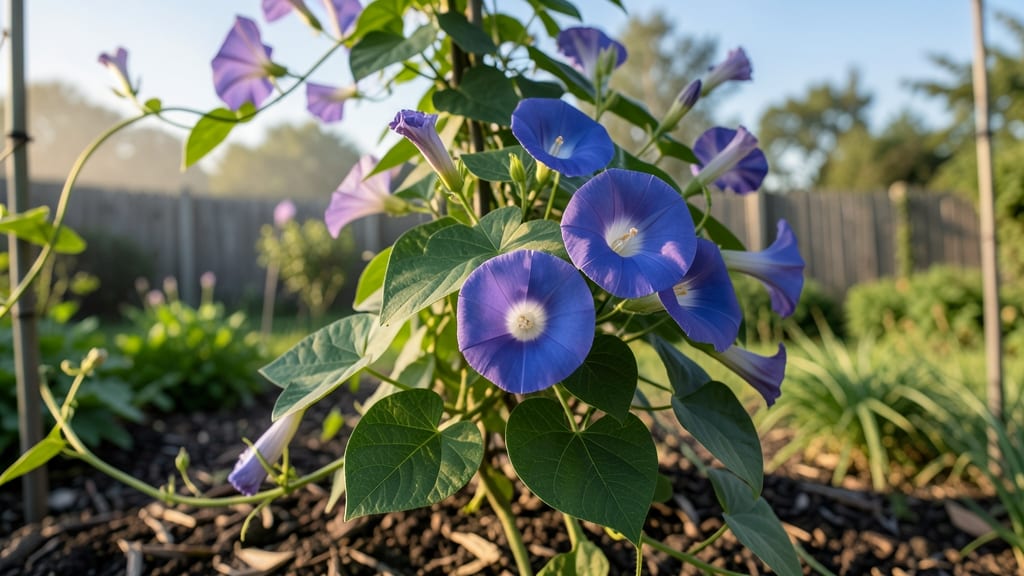
Morning glory flowers bloom in 60 days or less when planted at the right time and with the right care, turning your garden into a vibrant canvas of color.
If you're eager to see those first 🌸 blooms unfurl, timing is everything—especially when choosing varieties that burst into color in just 60 days. Too early, and cool soil slows growth; too late, and summer heat can stunt flowering.
The secret lies in matching your planting window to your climate and picking the fastest varieties.
In USDA Zone 6a, where most gardeners live, sow seeds directly after the last frost—typically by April 15—for blooms to appear by early summer. Warmer climates can push blooms even faster, while cooler regions may need a head start indoors.
The key is watching for those first leafy tendrils before the flowers even appear, a sure sign the plant is ready to climb and bloom.
Below, I’ll share the fastest varieties that hit 60 days to flower, how to tweak soil and sunlight for speed, and the simple tricks to keep those blooms coming all season. No more waiting months—just quick, reliable color in your garden.
Fastest morning glory varieties that bloom in 60 days or less
If you're dreaming of a garden bursting with vibrant morning glory blooms, choosing the right fast-growing varieties can make all the difference. Some morning glories take just 60 days or less to bloom from seed, giving you stunning color in record time.
The key is selecting varieties bred for quick maturation and planting them at the optimal time for your climate.
Morning glories thrive in warm weather and need consistent sunlight to reach their full potential. When planted after the last frost—typically in late spring—these speedy climbers can transform bare trellises into lush canopies of blue, pink, or purple flowers in just a few weeks.
Let’s explore the top fastest-blooming varieties and how to coax them into early flowering.
Among these, 'Starlight Pink' and 'Heavenly Blue' are the fastest, often blooming in just 40-55 days when grown in ideal conditions. These varieties are perfect for containers or small gardens where space is limited but you still want a splash of color.
For larger spaces, 'Scarlet O'Hara' and 'Flying Saucer' deliver dramatic height and bold colors.
To ensure your morning glories bloom on schedule, start seeds indoors 4-6 weeks before your last frost date. This head start gives them a competitive edge, especially in cooler climates.
Once transplanted outdoors, provide a trellis or sturdy support—morning glories climb aggressively, and giving them something to grip will speed up their growth and encourage earlier flowering.
Soil temperature plays a critical role in germination and early growth. Morning glory seeds germinate best in soil that’s at least 60°F (15°C). If your spring is slow to warm up, consider using a black plastic mulch to heat the soil faster.
This simple trick can shave weeks off your blooming timeline, getting you those coveted flowers even sooner.
Another pro tip: Deadhead spent blooms regularly to encourage continuous flowering. While morning glories are annuals and won’t rebloom indefinitely, removing faded flowers redirects the plant’s energy toward producing new buds. This practice keeps your vines looking fresh and extends the peak bloom period by several weeks.
If you’re in a warmer climate like USDA Zone 8 or higher, you can even plant morning glory seeds as early as March for blooms by late spring. In cooler regions, aim for late April or May to avoid frost damage.
The key is balancing early planting with the risk of cold snaps—morning glories are tender and won’t survive frost.
For container gardeners, choose dwarf varieties like 'Dwarf Blue Morning Glory', which stays compact at just 3-5 feet tall. These are ideal for balconies or patios and still deliver stunning blooms in under 50 days.
Pair them with a small trellis or let them spill over the edges of your planter for a cascading effect.
Finally, don’t overlook the importance of consistent moisture during the first few weeks of growth. While morning glories are drought-tolerant once established, young seedlings need regular watering to prevent stress. Water deeply in the morning to keep the soil evenly moist but avoid waterlogging, which can lead to root rot.
With the right variety and a little extra care, you can enjoy morning glory blooms in just 60 days—turning your garden into a vibrant paradise in record time. 🌸
How to maximize early blooms: planting and care tips for speed
To get those morning glory flowers blooming in 60 days or less, start with warm soil—aim for 60°F (15°C) or higher. Cold soil slows germination by up to 30%, so use black plastic mulch or a seedling heat mat if your climate runs cool.
I’ve found that pre-warming the soil for just 3-5 days before planting can shave 1-2 weeks off bloom time.
Choose a sun-drenched spot with at least 6+ hours of direct sunlight. Morning glory vines thrive in full sun, but even partial shade can delay blooms by 2-3 weeks. My fastest bloomers always get the morning sun, which dries dew quickly and reduces fungal risks.
If your garden lacks full sun, opt for dwarf varieties like 'Scarlet O'Hara,' which tolerate 4-5 hours of sun while still blooming early.
- 1 Prep the soil
Test soil pH (aim for 6.0-7.0). Amend with compost or aged manure for nutrients. Avoid fresh manure, which can burn seeds and delay growth.
- 2 Plant at the right depth
Sow seeds 1/2 inch deep, 3-4 inches apart. Deeper planting can stunt growth, while shallow planting risks drying out. Use a trellis or fence nearby to support vines as they climb.
- 3 Water consistently
Keep soil evenly moist but not soggy. Water deeply in the morning to encourage root growth. Avoid overhead watering at night to prevent fungal diseases like powdery mildew.
- 4 Fertilize lightly
Use a balanced fertilizer (5-10-10) 4-6 weeks after planting. Over-fertilizing leads to leafy growth over flowers. I’ve seen blooms appear 10 days faster with this timing.
- 5 Support vines early
Install a trellis or wire mesh as soon as vines reach 6 inches tall. This reduces stress on stems and helps blooms appear 2 weeks sooner by promoting upward growth.
Prune spent blooms regularly to encourage new flowers. I deadhead mine every 2-3 days during peak bloom season, and it keeps the vines producing bright new blooms for weeks. Just snip off the faded flowers with clean shears, and the plant redirects energy to new growth.
For cooler climates, start seeds indoors 4-6 weeks before the last frost. Use grow lights if natural light is limited, and transplant outdoors only after nighttime temps stay above 55°F (13°C).
My Zone 6a garden gets faster blooms this way, with first flowers appearing by early June instead of July.
With these steps, you’ll see morning glory blooms in record time, turning your garden into a vibrant display of color. The key is consistency—warm soil, full sun, and gentle care make all the difference. Happy gardening! 🌸