
Flowers
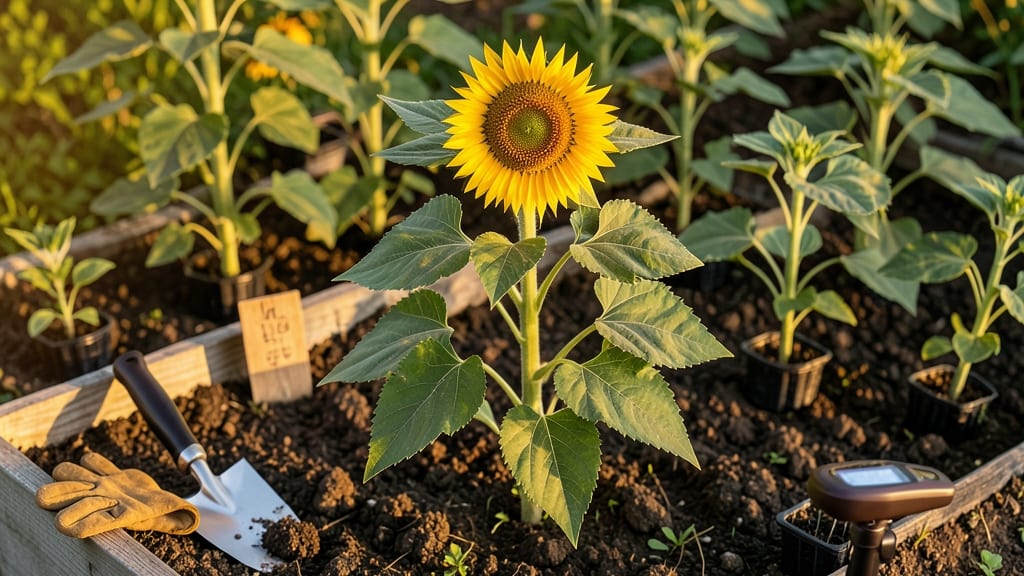
Plant sunflowers in Missouri between mid-April and late June 🌻 to catch the full growing season and avoid frost damage.
Missouri’s warm summers and long growing season make sunflowers a perfect addition to any garden—but timing is everything to avoid frost damage and maximize blooms. Plant too early, and you risk stunted growth; too late, and your sunflowers may never reach their full potential.
In USDA Zones 5B/6A, the last frost typically arrives around April 15, giving you a 165-day window to grow sunflowers from seed to harvest. Whether you’re a beginner or a seasoned gardener, knowing the right time to plant ensures your sunflowers thrive.
Below, I’ll break down the best planting schedule, soil prep tips, and the best sunflower varieties for Missouri’s climate—so you can enjoy towering blooms from late July to October.
Optimal sunflower planting timeline in Missouri’s USDA Zones 5B/6A
Sunflowers thrive in Missouri’s USDA Zones 5B/6A, but getting the timing right ensures strong stems and vibrant blooms. The last average frost date in northern Missouri (Zone 5B) is around April 15, while southern Missouri (Zone 6A) sees it about two weeks earlier.
Planting too early risks frost damage, while waiting too long may leave your sunflowers struggling to mature before fall.
For maximum growth potential, aim to plant sunflower seeds after soil temperatures consistently reach 55°F. In most of Missouri, this aligns with mid-April to early May for northern regions and late March to April in southern areas.
This window gives sunflowers 120-150 frost-free days to reach maturity, which is ideal for most varieties.
| Planting Window | USDA Zone | Soil Temp | Last Frost Date | Frost-Free Days |
|---|---|---|---|---|
| Mid-April to Early May | Zone 5B (Northern MO) | 55°F+ | April 15 | 120-140 days |
| Late March to April | Zone 6A (Southern MO) | 55°F+ | March 31 | 140-160 days |
| Late May to June (Late Planting) | Both Zones (Risky) | 60°F+ | N/A (Extended Season) | 90-110 days |
Sunflowers are direct-sown annuals, meaning they don’t transplant well, so start seeds outdoors in their final location. For early blooms, begin sowing in late April in southern Missouri or early May in northern areas.
This timing ensures your sunflowers have enough time to grow 3-6 feet tall before the first frost in mid-October.
If you’re aiming for late-season blooms, you can push the envelope with late May to June plantings, but expect smaller flowers and shorter stems. These late-planted sunflowers benefit from dwarf varieties like ‘Teddy Bear’ or ‘Moulin Rouge’, which mature faster and tolerate cooler temperatures better than giant varieties.
Missouri’s microclimates play a big role in sunflower success. Urban areas like St. Louis (Zone 6A) often experience warmer microclimates than rural regions, allowing for earlier planting. Meanwhile, northern Missouri (e.g., Columbia, Zone 5B) may need to wait until mid-May to avoid late frosts.
Always check your local frost dates using resources like the Missouri Botanical Garden’s frost calendar.
For extended harvests, consider staggered planting—sow a few seeds every 2-3 weeks from April through June. This method ensures a continuous bloom from July through September, giving you fresh flowers for cutting and seeds for birds.
Just be sure to space your rows 18-24 inches apart to accommodate mature sunflower sizes.
One common mistake is planting too deeply. Sunflower seeds should only be 1 inch deep—any deeper, and they may fail to sprout. After planting, keep the soil consistently moist (not soggy) until germination, which typically occurs in 7-14 days when soil temps are ideal.
Thin seedlings to 12-18 inches apart once they’re 3-4 inches tall to prevent overcrowding.
In northern Missouri (Zone 5B), where summers are slightly shorter, prioritize early-maturing varieties like ‘Autumn Beauty’ or ‘ProCut’. These varieties bloom in 60-70 days, giving them enough time to thrive before the first frost.
In southern Missouri (Zone 6A), you can experiment with taller varieties like ‘Russian Giant’ or ‘Mammoth’, which reach 12-16 feet but need 100+ frost-free days to mature.
Remember, sunflowers are sun-loving plants, so choose a south-facing location with full sun exposure. In Missouri, this means 6-8 hours of direct sunlight daily, which they’ll need to produce those iconic bright yellow blooms.
With the right timing and care, your sunflowers will reward you with vibrant colors and towering heights all summer long. 🌻
How to adjust sunflower planting for Missouri’s unpredictable weather patterns
Missouri’s weather can be as unpredictable as a summer storm—one day it’s 70°F and sunny, the next it’s 30°F with frost. Sunflowers, while resilient, need strategic adjustments to thrive in these conditions.
The key is staggered planting and protective measures to shield them from late frosts, scorching heatwaves, and drought.
Late frosts in April and early May can still threaten young seedlings, while summer heatwaves can stress mature plants if they lack moisture. By using cold-hardy varieties and mulching techniques, you can extend your sunflower’s growing season and ensure vibrant blooms from July to October.
Missouri’s Frost Risk Window
Even after the average last frost date (April 15), late frosts can still occur in northern Missouri. Wait until soil temperatures reach 55°F and nighttime lows stay above 40°F before planting. For extra protection, use row covers or plant in sheltered microclimates like near fences or buildings.
Start by choosing cold-tolerant varieties like 'Autumn Beauty' or 'Moulin Rouge', which can handle cooler temperatures better than standard types. These varieties also have shorter maturity times (60-70 days), giving them a better chance to establish before summer’s peak heat arrives.
To protect seedlings from late frosts, use black plastic mulch or straw mulch to warm the soil faster and retain moisture. Apply a 2-3 inch layer around plants after they’ve sprouted. This also suppresses weeds and keeps roots cool during heatwaves, reducing stress on the plant.
For drought-resistant strategies, plant sunflowers in well-draining soil with added compost to improve moisture retention. Water deeply once a week during dry spells, focusing on the root zone rather than overhead watering. Drip irrigation systems work best to minimize evaporation and fungal risks.
Extend your growing season by staggering plantings every 2-3 weeks from mid-April to early June. This ensures a continuous harvest and reduces the risk of losing your entire crop to a single weather event.
For example, plant a batch in late April for early blooms, another in May for mid-season flowers, and a final batch in early June for late-season enjoyment.
If a heatwave hits, provide temporary shade with lightweight shade cloth (30-50%) during the hottest part of the day. Prune lower leaves to improve airflow and reduce humidity around the plant, which helps prevent powdery mildew.
With these adjustments, your sunflowers will stand tall and proud, no matter what Missouri throws at them. 🌻