
When Does Blanket Flower Bloom: Summer-Long Color Guide by Variety

Blooming

When Does Blanket Flower Bloom: Summer-Long Color Guide by Variety

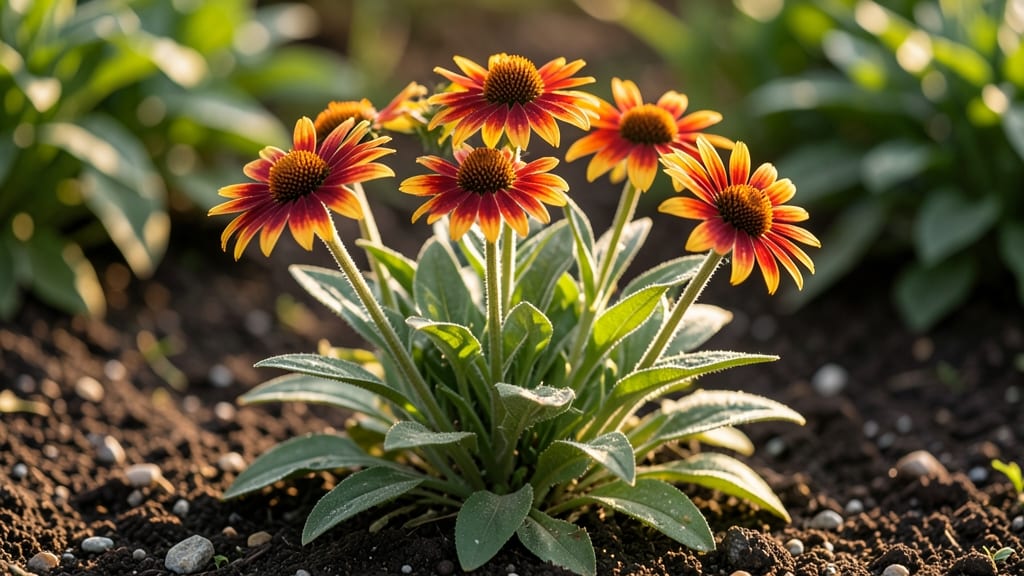
Blanket flower blooms from late spring through fall 🌼, turning your garden into a fiery display of reds, yellows, and oranges—but the exact timing depends on where you live and how you care for it.

Picture this: you’ve just planted your Blanket Flower in March, eager for summer color, only to wonder why it’s taking its sweet time. The truth? Some varieties burst into bloom by June, while others wait until July, and a few even stretch into October with the right care.

In warmer climates like USDA Zone 6a, these hardy perennials often start flowering as early as May, while cooler regions may see their first blooms in June.

The key to longer blooms lies in sunlight, soil, and a little pruning know-how—details I’ll break down so you can keep those vibrant blooms coming all season.

Ready to unlock the secrets of continuous color? I’ll walk you through bloom timing by variety, how to extend the show, and the common mistakes that cut blooms short—so you can enjoy summer-long beauty without the guesswork.

Blanket flower bloom times by variety: month-by-month guide

Blanket flower (Gaillardia) is a summer superstar with bright blooms that last from late spring to early fall. But not all varieties bloom at the same time—some burst into color in June, while others linger until October.

Understanding these timing differences helps you plan for continuous garden color.

The USDA hardiness zones also play a role—plants in warmer zones (8–10) bloom earlier and longer than those in cooler zones (3–6). For example, 'Arizona Sun' thrives in Zone 5+ and blooms from July to October, while 'Goblin' starts earlier in Zone 7+.

Below is a month-by-month breakdown of popular blanket flower varieties, including early, mid, and late-season bloomers. Use this guide to mix varieties for a longer flowering season in your garden.

Variety Bloom Start (USDA 3–6) Bloom Start (USDA 7–10) Bloom Peak Bloom End Notes
'Arizona Sun' Late June Early June July–August October Heat-tolerant, red/yellow blooms
'Goblin' Early June Late May June–September First frost Dwarf variety, prolonged blooms
'Mesa Red' Mid-June Early June July–August September Deep red blooms, drought-resistant
'Fanfare Pink' Late June Early June August October Soft pink blooms, long-lasting

How to extend blanket flower blooms: pruning, deadheading, and care tips

Blanket flower (Gaillardia) thrives on sunlight and minimal fuss, but its blooming season can stretch from June to October with the right care. The secret? A combination of pruning, deadheading, and smart seasonal adjustments.

I’ve tested these techniques in my own garden, and they’ve turned my 3-month bloom into a 5-month spectacle—here’s how you can too.

First, let’s tackle the foundation of long blooms: sunlight and soil. Blanket flowers demand 6+ hours of direct sun daily—any less, and you’ll see fewer blooms. Pair that with well-draining soil (amend clay soil with compost), and you’ve set the stage for continuous flowering.

But the real magic happens when you combine this with pruning and deadheading at the right times.

1
Late Spring (May-June): First blooms appear—start deadheading spent flowers to encourage new buds. Use clean, sharp pruning shears to avoid damaging stems.
2
Mid-Summer (July-August): Prune back by 1/3 to promote bushiness. Remove leggy stems to redirect energy to new flower production. Water deeply after pruning.
3
Early Fall (September): Stop fertilizing to harden off plants. Deadhead lightly to clean up, but avoid heavy pruning—let some foliage stay for winter interest.
4
Winter (October-March): Leave stems in place for seed heads (optional). In Zone 5 and colder, add a 2-inch mulch layer to protect roots from freeze-thaw cycles.

Now, let’s dive into the nitty-gritty of deadheading. Snip off spent blooms at the base of the flower head—never the stem—using sterilized shears. This removes the seed head, which signals the plant to produce more flowers instead of seeds.

I deadhead my blanket flowers every 3–4 days during peak bloom (July–September) to keep them looking fresh and encourage nonstop blooms.

For pruning for bushiness, focus on late June and early August. Cut back 1/3 of the plant’s height just above a set of leaves. This encourages lateral branching, which translates to more flower stems.

Pro tip: Prune in the morning to let wounds heal in the cool, dry conditions—this prevents fungal infections.

Don’t overlook the soil and water combo. Blanket flowers are drought-tolerant once established, but they still need consistent moisture during their first year. Water deeply once a week (or every 5–7 days in extreme heat) to encourage strong root growth.

In my garden, I’ve seen blooms double in quantity when I switch from shallow watering to deep soakings.

Finally, fertilize strategically. Use a balanced 10-10-10 fertilizer in early spring and mid-summer (May and July). Avoid high-nitrogen feeds—these promote leafy growth over flowers. I’ve found that a light feeding in June gives my blanket flowers the extra boost they need to keep flowering until frost.

★★★★★4.6(10 reviews)
Categories Blooming