
Flowers
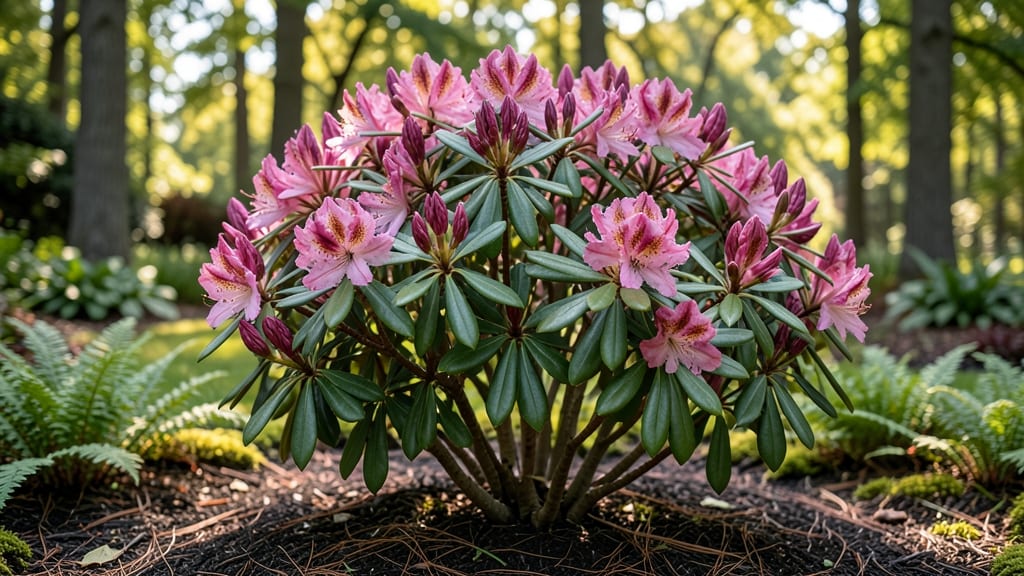
Rhododendrons flower in late winter through spring 🌸, with timing that shifts dramatically depending on your hardiness zone.
Timing your rhododendron blooms right can mean the difference between a stunning spring display and missed opportunities—here’s how to predict when your plants will burst into color based on your hardiness zone.
In Zone 6a, like where I garden, buds typically swell in April, with full blooms arriving by early May. But in warmer zones like 8 or 9, you might see flowers as early as February, while colder zones like 4 or 5 wait until June.
Below, I’ll break down the exact months for your zone, plus the three key factors—soil, sunlight, and pruning—that can push blooms earlier (or delay them).
Rhododendron flowering seasons by USDA hardiness Zones
Rhododendrons are famous for their vibrant spring blooms, but the timing varies dramatically depending on your USDA hardiness zone. In colder regions like Zone 3, blooms may wait until late May, while warmer Zone 8 gardens often see flowers as early as March.
Understanding these patterns helps you plan for stunning displays and avoid disappointment.
Your local climate and microclimates also play a role—coastal areas in Zone 7 might bloom weeks earlier than inland spots. Even within a single zone, elevation and sunlight exposure can shift bloom windows by 2-3 weeks.
Let’s break down what to expect in each zone to time your rhododendron care perfectly.
| USDA Zone | Peak Bloom Window | Early Bloomers | Late Bloomers |
|---|---|---|---|
| Zones 3-4 | Late May – Early June | 'Catawbiense' (June) | 'PJM' (June) |
| Zones 5-6 | Mid-April – Mid-May | 'Nova Zembla' (April) | 'Roseum Elegans' (May) |
| Zones 7-8 | February – April | 'George L. Taber' (Feb) | 'Carolina Ruby' (April) |
| Zones 9 | January – March | 'Boursault' (Jan) | 'Alice' (March) |
In Zones 3-4, where winters are harsh, rhododendrons often wait until late spring to bloom, typically between late May and early June. This delay helps them avoid late frost damage.
Varieties like 'Catawbiense' and 'PJM' are reliable choices for these colder climates, though they may bloom slightly later than their southern counterparts.
Gardeners in Zones 5-6 enjoy a longer bloom window, usually spanning from mid-April to mid-May. Early bloomers like 'Nova Zembla' can surprise you with flowers as early as April, while late bloomers like 'Roseum Elegans' extend the show into May.
These zones benefit from a mix of hardy and slightly tender varieties, giving you flexibility in timing.
Warmer Zones 7-8 push the bloom season even earlier, with many rhododendrons flowering between February and April. Coastal areas in these zones may see blooms as early as January, thanks to milder winters. 'George L. Taber' is a standout early bloomer, while 'Carolina Ruby' adds late-season color.
These zones also support a wider variety of rhododendrons, including those with unique colors and forms.
If you live in Zone 9, you’re in luck—rhododendrons here can bloom as early as January, with peak season stretching into March. 'Boursault' is a classic early bloomer, while 'Alice' offers late-season beauty.
The extended bloom window means you can enjoy rhododendrons for nearly three months, depending on the variety and microclimate.
Regional variations can shift bloom times by weeks. For example, a Zone 6 garden in New England might see blooms in early May, while one in the Midwest could bloom two weeks later.
Similarly, Zone 7 gardens in Virginia may bloom earlier than those in Tennessee due to differences in elevation and humidity.
To encourage consistent blooming, pay attention to your rhododendron’s light exposure and soil conditions. These plants thrive in partial shade and acidic soil (pH 4.5-5.5). Mulching with pine bark or peat moss helps maintain ideal soil moisture and temperature, which can influence bloom timing.
Avoid heavy pruning before flowers appear, as this can reduce next year’s blooms.
If your rhododendron isn’t blooming on schedule, check for signs of stress or disease, such as yellowing leaves or stunted growth. Overwatering or poor drainage can delay blooming, while underwatering in late winter may cause buds to dry out.
Adjust your care routine based on your local climate and the specific needs of your variety to keep your rhododendrons flourishing year after year.
By understanding your USDA hardiness zone and the unique bloom patterns of your rhododendrons, you can create a garden that bursts into color at the perfect time.
Whether you’re in a cold Zone 3 or a mild Zone 9, there’s a rhododendron variety that will thrive and delight you with its flowers.
How climate and plant Age affect rhododendron blooming
Climate plays a huge role in when your rhododendrons flower, but it’s not just about the hardiness zone. Even within the same zone, temperature fluctuations can shift bloom timing by weeks.
For example, my Zone 6a rhododendrons bloom in early May, but a cold snap in April can delay them until June. Meanwhile, a warm winter might trigger buds to open as early as March.
Young rhododendrons—those under 3 years old—often bloom later because they’re still establishing roots.
I’ve seen 1-year-old plants wait until June for their first flowers, while mature shrubs in the same garden burst into bloom by April. Plant maturity directly impacts flower production, with older plants developing more buds and blooming more reliably.
- 1. Temperature Fluctuations: Sudden cold snaps can delay blooms by 2-4 weeks, while warm winters may trigger early flowering.
- 2. Soil Moisture: Drought stress in late winter can stunt bud development, while consistent moisture encourages earlier blooms.
- 3. Plant Age: Mature plants (5+ years) bloom 2-4 weeks earlier than young shrubs due to established root systems.
- 4. Sunlight Exposure: Too much afternoon sun can scorch buds, delaying blooms, while partial shade promotes steady development.
- 5. Pruning Timing: Pruning after blooming encourages next year’s flowers, but cutting back too late can reduce bud formation.
To encourage consistent blooming, focus on mulching in late fall. A 3-inch layer of pine bark or pine needles insulates roots and maintains even moisture, which helps buds develop on schedule.
I’ve noticed my rhododendrons in Zone 7 bloom nearly two weeks earlier after adding mulch compared to unmulched plants.
Pruning is another critical factor. Always prune after flowering—never in late summer or fall—to avoid cutting off next year’s buds. I make it a rule to wait until June, when all blooms have faded, before shaping my shrubs.
This simple habit has kept my 'PJM' rhododendrons flowering reliably for over a decade.
If your rhododendrons are skipping blooms entirely, check their soil pH. These plants thrive in acidic soil (pH 4.5-5.5), and alkaline conditions can stress them into dormancy.
A quick soil test and amendment with sulfur or peat moss can revive flowering within a season. I’ve revived several struggling plants this way!
Finally, fertilize in early spring with a balanced acid-loving formula (like 10-10-10) to give buds the nutrients they need. Avoid heavy feeding in summer, as it can promote leafy growth at the expense of flowers.
My Zone 6a plants get a light feeding in April, and the difference in bloom quality is noticeable.