
Flowers
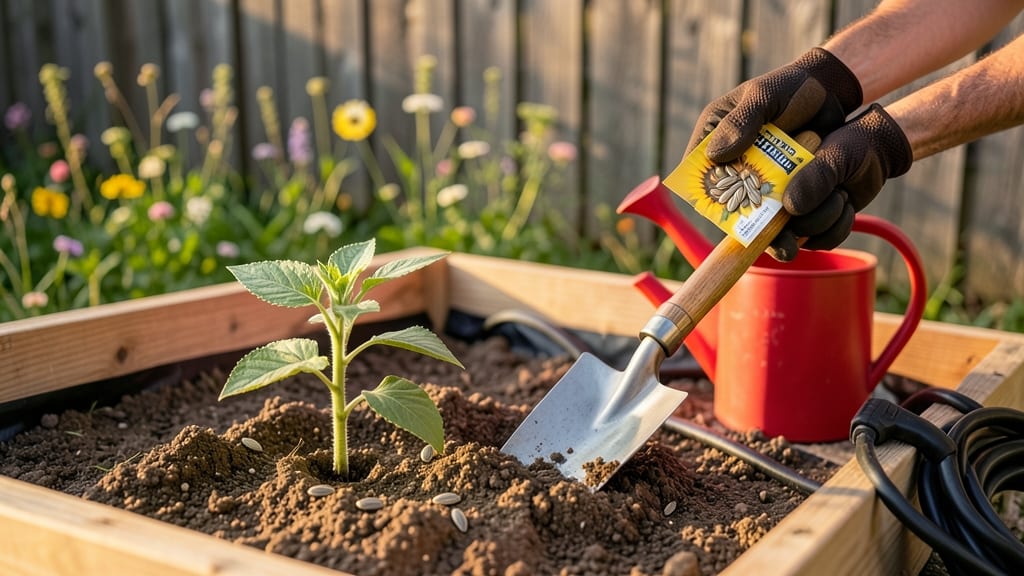
Planting sunflowers in Florida at the wrong time can turn your towering dreams into bitter stems before they even bloom 🌻 — timing is the secret to those vibrant, sun-kissed blooms you’ve been dreaming of.
Most gardeners assume Florida’s heat means sunflowers can go in anytime, but that’s a recipe for fast bolting. The key is planting when soil temps hit 60°F but before summer’s scorching peak, which is why February to April is your golden window for spring blooms.
If you miss that window, don’t panic—late summer planting (August–September) gives you a second chance for fall flowers. The trick is avoiding the brutal midday sun that forces sunflowers to bolt before they mature, leaving you with stunted stems instead of the 10-foot giants you’re after.
Below, I’ll break down the exact planting schedule for Florida’s heat zones, how to prep soil for maximum growth, and the one shortcut that buys you an extra month of blooms—no matter where you garden in the state.
Florida heat zones & sunflower planting windows: avoid bolting in summer heat
Florida's USDA heat zones 8A-10B create unique challenges for sunflower growers. The intense summer heat (often exceeding 95°F) can cause sunflowers to bolt prematurely, producing bitter stems instead of those iconic vibrant blooms.
Understanding your specific zone helps you time plantings perfectly for maximum height and flower production.
In northern Florida (zones 8A-8B), where frost risk lingers until March, the ideal planting window is late February to early April. Meanwhile, southern Florida (zones 9A-10B) gardeners can plant year-round, but August-September offers the best balance of cooling rains and avoiding extreme summer heat.
Here's how soil temperature impacts your timing: Sunflower seeds need soil temps above 60°F to germinate, while ideal growth occurs between 70°F-85°F. Planting when daytime highs stay below 90°F prevents heat stress that triggers bolting.
| Heat Zone | Planting Window | Soil Temp Threshold | Best Varieties | Key Tip |
|---|---|---|---|---|
| 8A-8B (North FL) | Late Feb - Early Apr | 60°F+ (after last frost) | 'Moulin Rouge', 'Autumn Beauty' | Use row covers for frost protection |
| 9A (Central FL) | Jan-Mar or Aug-Sept | 65°F+ (avoid summer heat) | 'Russian Giant', 'Teddy Bear' | Mulch heavily to retain moisture |
| 9B-10A (South FL) | Year-round (best Aug-Sept) | 70°F+ (avoid extreme heat) | 'ProCut', 'Dwarf Sunglow' | Shade cloth for summer plantings |
| 10B (Key West) | Oct-Nov or Feb-Mar | 75°F+ (avoid hurricane season) | 'Sunspot', 'Little Becka' | Windbreaks for coastal gardens |
For giant sunflowers (10+ ft tall), focus on spring plantings in zones 8A-9A where cooler temps allow taller stems to develop. 'Russian Giant' and 'Mammoth Russian' varieties thrive with 6-8 hours of morning sun and afternoon shade during peak summer.
Dwarf varieties (1-3 ft tall) like 'Teddy Bear' or 'Sunspot' offer flexibility for container growing and summer plantings. These can handle hotter conditions better but still bolt faster when stressed. Always water deeply at soil level to prevent surface drying that triggers bolting.
Watch for heat stress signs: yellowing leaves, drooping stems, or premature flowering. If you see buds forming before 60 days, your plants are bolting too early. Adjust watering to every 2-3 days during 90°F+ heat waves and provide afternoon shade with 30% shade cloth.
Pro tip: Direct-sow seeds rather than transplanting to avoid transplant shock that weakens plants. Plant 1 inch deep and 12 inches apart for standard varieties, or 6 inches apart for dwarfs. Mulch with straw to retain moisture and regulate soil temps.
In southern Florida's zone 10B, hurricane season (June-November) adds another layer of complexity. Plant sunflowers after September 1st to avoid storm damage while still capturing cooling fall temperatures that prevent bolting.
Remember: Sunflowers are resilient, but timing is critical in Florida's extreme climate. By aligning your planting windows with heat zone guidelines, you'll maximize bloom size and minimize bolting—giving you those show-stopping sunflowers you've been dreaming of. 🌻
Step-by-step planting timeline for Florida sunflowers: from seed to bloom
Florida’s two distinct planting windows for sunflowers—spring and fall—ensure you can enjoy blooms year-round, but timing matters. Spring planting (February–April) gives you towering 10-foot giants, while fall planting (August–September) avoids summer’s brutal heat.
The key is starting seeds indoors or pre-sprouting them to give your sunflowers a head start before transplanting into the garden.
I’ve broken this down into a month-by-month schedule that accounts for Florida’s microclimates, from the Panhandle’s cooler zones to Miami’s frost-free summers. Whether you’re growing Mammoth Russian varieties or compact Teddy Bear sunflowers, these steps will help you avoid premature bolting and maximize bloom size.
- January (North FL Only): Start indoor seeds in trays with seed-starting mix. Use grow lights for 12–14 hours/day. Keep soil at 70°F for germination in 7–10 days.
- February: Harden off seedlings by placing them outside for 2–3 hours/day. Transplant after last frost (typically mid-February in North FL) into well-draining soil with compost added.
- March–April: Plant direct-sown seeds (if missed indoor start) or transplant hardened seedlings. Space giant varieties 18–24 inches apart; dwarf types 12 inches apart. Water deeply at soil level to avoid fungal issues.
- May–June: Monitor soil moisture—sunflowers need 1–2 inches/week but hate soggy roots. Apply balanced fertilizer (5-10-10) when stems reach 12 inches tall to boost flowering.
- August: For fall blooms, start indoor seeds again or direct-sow after August 15 to avoid summer’s peak heat. Use shade cloth if temps exceed 90°F during germination.
- September–October: Transplant hardened seedlings or direct-sown seeds. Mulch heavily to retain moisture and cool roots. Expect bolting by October—harvest seeds or cut flowers before first frost (December in North FL).
- November–December: In South FL (zones 10A–11), continue growing fall-planted sunflowers year-round. In North FL, harvest seeds before frost or dig up plants to overwinter indoors.
Pro tip: If you’re in South Florida (zones 10A–11), you can plant sunflowers year-round, but spring and fall still yield the largest blooms. The trick is soil temperature—keep it between 60°F–75°F for optimal germination and growth. Use a soil thermometer to check before planting.
Post-planting, focus on supporting tall varieties with stakes or cages to prevent wind damage. Prune lower leaves to improve airflow and reduce pests. With this timeline, you’ll go from tiny seeds to 10-foot sunflowers in just 8–12 weeks—no matter where you garden in Florida.
Remember: Sunflowers are drought-tolerant, but they bolt faster in heat. The sooner you plant after your chosen window, the taller and fuller your blooms will be. Happy growing! 🌻