
How To
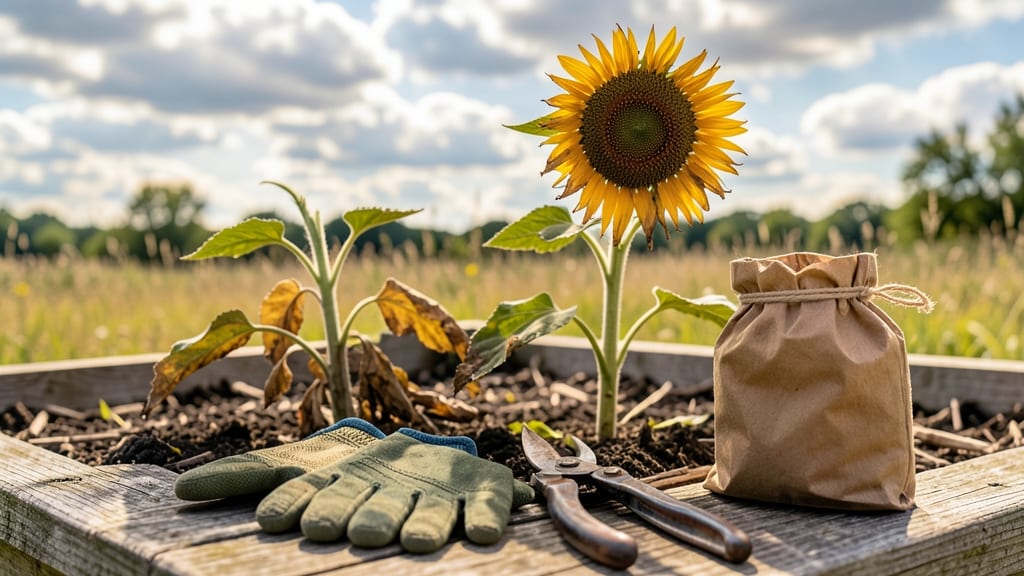
Harvesting sunflower seeds at the right time means the difference between a bountiful stash and bitter disappointment — and missing the window by even a few days can mean losing them to birds or rain.
Sunflowers aren’t just beautiful—they’re a goldmine of edible seeds that birds and humans alike will fight over. But timing your harvest wrong means bitter seeds or empty heads. Here’s how to know exactly when to pick sunflower seeds before they vanish.
The key is watching for three unmistakable signs: when the back of the flower head turns a dull yellow-brown, when the seeds rattle inside like a dry drum, and when the petals have completely fallen away. These cues tell you the seeds are fully mature and ready for harvest.
In this guide, I’ll walk you through how to spot these signals, the best methods for harvesting without losing seeds to wildlife, and how to store them so they stay fresh for months. No more guessing—just a foolproof way to enjoy your sunflower harvest.


3 Key signs sunflower seeds are ready for harvesting
Harvesting sunflower seeds at the right time means the difference between nutritious, flavorful seeds and bitter, underdeveloped ones. I’ve learned the hard way that waiting too long means empty heads, while picking too early leaves you with soft, immature seeds that won’t store well.
The good news? Sunflowers give clear visual cues when their seeds are ready—you just need to know what to look for.
Timing your harvest correctly also protects your seeds from birds and squirrels, which will strip a ripe sunflower head in minutes if left unchecked. By mastering these three key signs, you’ll ensure a bountiful harvest before wildlife claims your crop.
Let’s dive into the unmistakable indicators that your sunflower seeds are finally ready to pick.
Seed Head Color Changes
The back of the flower head transitions from green to dull yellow-brown. This signals the seeds inside have fully matured and are ready for harvesting.
Papery and Dry Seed Heads
Gently press a seed head with your thumb. If it feels dry and papery (like crumpling tissue paper), the seeds inside are fully mature. Avoid harvesting if the head still feels slightly moist or spongy.
The "Rattle Test"
Shake the seed head over a brown paper bag. If seeds rattle loudly inside and a few drop out easily, they’re ready. If the head stays quiet or only a few seeds fall, wait 2-3 more days.
I always perform the rattle test first because it’s the most reliable way to confirm seed maturity. One year, I missed this cue and harvested too early—my seeds were soft and shriveled by the time I realized my mistake.
Now, I treat this test like a non-negotiable step in my harvesting routine.
Another pro tip? Petals falling off naturally is a secondary sign, but don’t rely on it alone. Some varieties drop petals earlier than others, so always cross-check with the other two indicators. If the petals are still attached or only partially fallen, your seeds likely need more time to mature.
Regional climate plays a role too. In warmer zones (USDA 8-10), sunflowers mature faster, so I harvest seeds as early as late August. In cooler climates (USDA 3-6), I wait until September or early October to avoid early frosts.
Always monitor your local first frost date and adjust accordingly.
One common mistake I see gardeners make is harvesting based on seed color alone. Dark, mature seeds might still be too moist inside if the head isn’t fully dry.
That’s why I always combine color, texture, and the rattle test—it’s the only way to guarantee perfect seeds every time.
If you’re growing sunflowers for birdseed or human consumption, timing matters even more. Underripe seeds lack flavor and nutritional value, while overripe seeds may sprout prematurely. The sweet spot? Harvest when the seeds are dark, dry, and fully developed—just before birds get to them first.
Protect your harvest by cutting the entire seed head (including 6-12 inches of stem) when you spot these signs. Hang the heads upside down in a dry, well-ventilated area for 1-2 weeks to finish drying. This extra step ensures your seeds stay crisp and store well for months.
Now that you know the three key signs, you’re ready to harvest sunflower seeds like a pro. Grab your pruners, keep an eye on those heads, and enjoy a bountiful, bird-free harvest this season! 🌻
How to harvest sunflower seeds without losing them to birds
Once your sunflowers reach maturity, the real challenge begins: protecting your hard-earned seeds from hungry birds while harvesting them at peak freshness. The window between perfect ripeness and bird buffet can be just a few days, so acting quickly is key.
I’ve learned the hard way that leaving seed heads on the plant too long means waking up to half-empty blooms—so here’s my battle-tested strategy to save your harvest.
Your first line of defense is speed and precision. Birds have an uncanny ability to spot ripe sunflower seeds from a distance, so you’ll need to harvest before they even notice. The good news?
Sunflowers give you clear signals when it’s time to act. Look for yellow-brown backsides on the seed heads, dry papery textures, and seeds that rattle when shaken. These are your cues to move fast.
Step-by-Step Harvesting Guide
- 1 Choose your method: Decide between hand-picking (for smaller gardens) or cutting entire heads (for larger harvests). Hand-picking works best for dwarf varieties, while cutting stems is ideal for tall standard sunflowers.
- 2 Harvest in the morning: Pick seeds before 9 AM when humidity is lowest. This prevents mold growth and makes seed removal easier. Use pruning shears for stems or gently twist heads by hand.
- 3 Deter birds mid-harvest: Cover freshly cut heads with breathable mesh bags or place them in a garage or shed immediately. If harvesting in the garden, use old CD wind spinners or reflective tape to scare off birds.
- 4 Dry seeds completely: Lay heads on a paper-lined tray in a dry, dark place (like a basement) for 1-2 weeks. Turn heads occasionally to ensure even drying. Seeds are ready when they’re hard and black.
- 5 Store seeds properly: Once fully dry, rub seeds from the heads or use a seed wrench. Store in airtight glass jars in a cool, dark pantry for up to 6 months. Add a bay leaf to deter pests.
If you’re dealing with tall sunflowers, cutting the entire stem is often easier than trying to reach individual heads. Use a clean pair of shears to snip stems about 6 inches above the base, then hang the heads upside down in a dry, well-ventilated area.
This method not only protects seeds from birds but also makes drying more efficient. I’ve saved entire harvests this way during peak bird migration seasons.
For smaller gardens or dwarf varieties, hand-picking seeds directly from the plant can be more practical. Simply twist the seed head gently until it detaches, then place it in a mesh bag to carry indoors.
This reduces the risk of dropping seeds (and attracting birds) while you work. Always wear gloves to protect your hands from the sharp seed head spines.
After harvesting, don’t skip the drying process. Wet or partially dry seeds will spoil quickly, even in storage. I once stored seeds too soon and woke up to a moldy mess—never again!
Spread heads on a clean towel or newspaper in a single layer and check daily for dryness. A fully ripe seed should snap easily when bent between your fingers.
With these steps, you’ll maximize your yield while keeping birds at bay. The key is acting fast once you spot those yellow-brown backsides—because once birds get a whiff of your harvest, it’s game over. Happy harvesting! 🌾