
Flowers
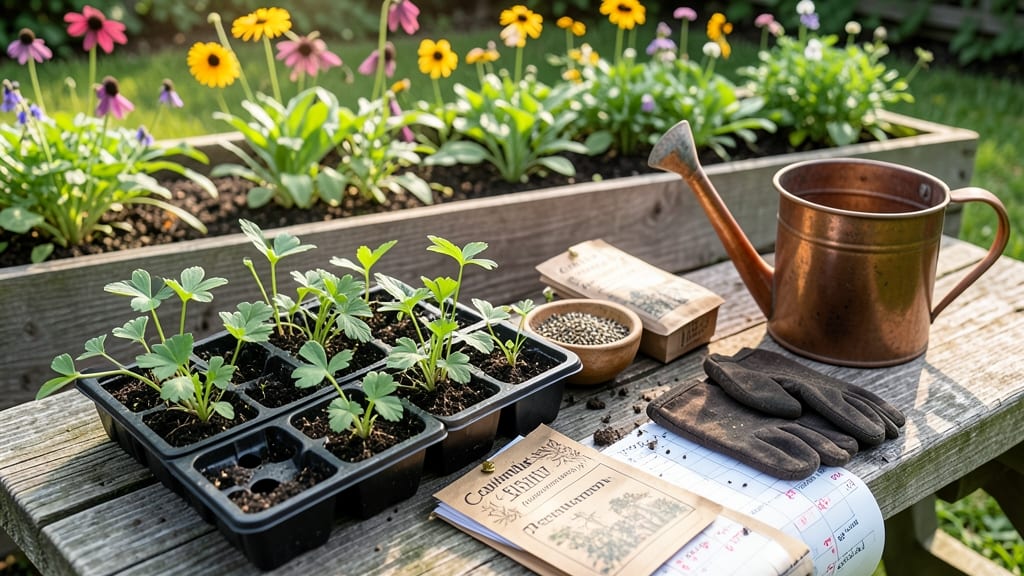
Planting flower seeds in Colorado means timing it right for your elevation — whether you're in the Front Range or the Western Slope, getting it wrong can mean lost blooms or wasted seeds.
Colorado’s diverse elevations—from high mountain valleys to arid plains—create unique planting challenges for flower seeds 🌸, but timing them right can mean the difference between vibrant blooms and wasted effort.
If you’ve ever watched your seedlings freeze under a late spring frost or bolt in summer heat, you know how critical the window is.
Most Colorado gardeners aim for March through May for spring planting, but your exact start date depends on whether you’re in Denver’s Zone 5 or the high desert’s Zone 7. The key? Wait until the average last frost date—around April 15—but adjust for your microclimate.
Below, I break down the best months for direct sowing, how to start seeds indoors for a head start, and which cold-hardy flowers thrive in Colorado’s 5-7 USDA zones. You’ll also learn how to stretch your season with row covers and drought-resistant picks.
Colorado’s heat Zones: how altitude affects flower seed planting times
Colorado’s USDA Hardiness Zones 3-7 and dramatic elevation shifts—from 5,000 to 10,000+ feet—create a gardening puzzle. At Denver’s 5,280 ft, cosmos seeds thrive in May, while Aspen’s 7,800 ft gardeners wait until June.
These altitude differences shift last frost dates by weeks, forcing gardeners to adjust planting windows for annuals, perennials, and cold-hardy flowers like snapdragons and coneflowers.
High-altitude gardens face cooler soil temps and shorter growing seasons, while lower elevations experience earlier springs. For example, Zone 4 (Steamboat Springs) may see frost until May 20, while Zone 7 (Colorado Springs) typically warms by April 10.
Understanding these microclimates ensures your flower seeds germinate at the right time, avoiding both late frosts and summer heat stress.
The summary-table below breaks down planting windows by elevation, including cold-hardy flowers like cosmos and snapdragons, which thrive in Colorado’s variable climates. Use this as your guide to align seed sowing with your local heat zone.
In Zone 6-7 (e.g., Denver, Colorado Springs), I start cosmos and snapdragon seeds indoors in early March for transplanting after the last frost (April 15). These heat-tolerant annuals bloom from June through October, thriving in Colorado’s dry, sunny summers.
Meanwhile, gardeners in Zone 4 (e.g., Steamboat Springs) delay planting until May, focusing on cold-hardy perennials like coneflowers and black-eyed Susans, which establish roots early and survive harsh winters.
At higher elevations, soil warmth is critical. Use black plastic mulch or row covers to warm soil 2–3 weeks earlier. For example, in Zone 5 (Fort Collins), I cover marigold seeds with plastic in late April to jumpstart germination.
This trick extends the growing season by 3–4 weeks, allowing more summer blooms before the first frost in October.
For fall planting, aim to sow seeds 6–8 weeks before your first frost. In Zone 7 (Pueblo), that means August 15–September 1 for pansies and calendulas, which handle cool nights and provide early spring color.
At 10,000+ ft (e.g., Leadville), even hardy flowers like alyssum need to be planted by July 1 to establish before snow arrives.
Pro tip: Adjust for microclimates. A south-facing slope warms faster than a north-facing yard, so plant heat-loving flowers like zinnias on slopes and shade-tolerant flowers like columbines in cooler spots. Use a soil thermometer to confirm 50
Month-by-month planting calendar for Colorado flower gardens
Timing your flower seeds in Colorado isn’t one-size-fits-all—it’s all about altitude and microclimates. Whether you’re in Denver’s Zone 5 or the Western Slope’s Zone 7, understanding your last frost date (around April 15) and soil temperatures is key.
I’ve broken this down into a simple month-by-month guide to help you plant with confidence, whether you’re direct sowing or starting indoors.
For high-altitude gardens (6,000+ ft), like those in Boulder or Fort Collins, wait until mid-May to avoid late frosts. In lower elevations, such as Colorado Springs or Pueblo, you can start as early as late March.
The goal? Plant when soil temps hit 40°F (4°C) for cool-season flowers or 60°F (15°C) for warm-season varieties. Let’s dive into the best times for each month.
🌱 Numbered Highlights: When to Plant Flower Seeds in Colorado
- February-March: Start cool-season flowers indoors (e.g., pansies, snapdragons). Soil temps are still too cold for direct sowing.
- Late March: Direct sow hardy annuals like calendula, sweet peas in lower elevations (Zones 6-7). Use row covers for protection.
- April: Transplant indoor starts (e.g., petunias, geraniums) after last frost. Direct sow marigolds, cosmos in warmer microclimates.
- May: Plant warm-season flowers like zinnias, sunflowers once soil is 60°F+. Ideal for high-altitude gardens after frost risk passes.
- June-July: Succession plant fast-growing annuals (e.g., nasturtiums, alyssum) for continuous blooms. Avoid planting in extreme heat.
- August-September: Start fall bloomers indoors (e.g., pansies, sweet alyssum) or direct sow hardy varieties 6 weeks before first frost.
For high-altitude gardens (7,000+ ft), delay warm-season flowers until mid-May to avoid heat stress. In contrast, lower elevations can start marigolds and cosmos as early as April 1. Always check your local last frost date—tools like the Old Farmer’s Almanac provide hyper-local data.
Don’t forget about soil preparation. Amend your beds with compost in early spring to improve drainage, especially in clay-heavy soils common in the Front Range.
For drought-prone areas, like the Western Slope, mulch heavily to retain moisture. Native flowers like blanket flower or yarrow thrive with minimal water once established.
Pro tip: Use succession planting in June and July to keep your garden blooming all season. Sow fast-growing annuals like nasturtiums every 2-3 weeks for a non-stop display. And if you’re in Zone 5, consider a cold frame to extend your growing season into early fall.
By following this timeline, you’ll avoid the heartbreak of frost-damaged seedlings or bolting flowers. Happy planting—your Colorado garden will thank you with bold, vibrant blooms all season long! 🌼