
Flowers
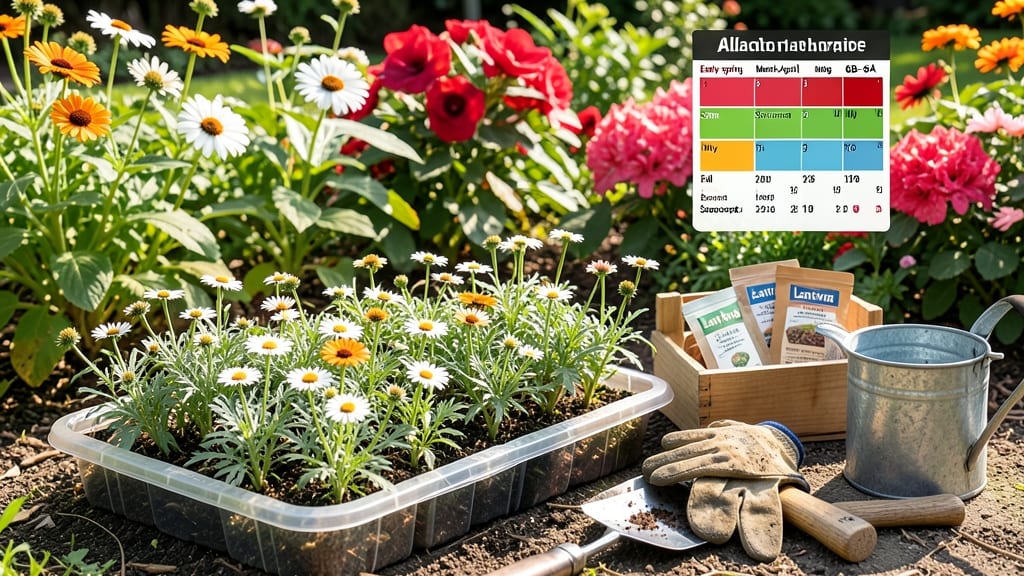
Planting flowers in Alabama at the right time means the difference between a garden bursting with color and one that wilts before it even starts 🌸.
Alabama’s mild winters and long growing season give you two prime windows—late winter to early spring and late summer to early fall—but timing matters more than you might think.
Miss the frost-free mark in March, and your tender annuals will shiver under a late cold snap. Plant too late in summer, and the heat will stress your blooms before they even open.
This guide cuts through the guesswork with a simple, region-specific schedule for USDA Zones 7b/8a, so you can enjoy year-round blooms without the trial and error.
Whether you’re sowing spring bulbs, setting out summer annuals, or prepping perennials for fall, I’ll walk you through the best months for each type—plus how to adjust for Alabama’s microclimates, from the sandy soils of the Black Belt to the urban heat islands of Birmingham.
By the end, you’ll know exactly when to plant for maximum blooms, how to protect your flowers from Alabama’s humidity and heat, and which varieties thrive best in your yard. Let’s get those gardening calendars in order!
Alabama flower planting calendar by season: best months for annuals, perennials, and bulbs
Alabama’s USDA Zones 7b/8a offer a 240-day growing season, but timing matters for vibrant blooms. The last frost typically arrives by mid-March in North Alabama and late February in South Alabama.
First frosts hit mid-November, so plan your annuals, perennials, and bulbs accordingly to avoid heat stress or frost damage.
This month-by-month guide aligns planting with Alabama’s humid heat and variable rainfall. Adjust for your microclimate—urban areas stay warmer, while rural spots may have cooler pockets. For example, Mobile’s coastal breezes delay frost, while Huntsville’s elevation brings earlier cold snaps.
| Season | Plant Type | Best Planting Months | Key Notes |
|---|---|---|---|
| Early Spring | Spring Bulbs (Tulips, Daffodils) | October–November | Plant 6 weeks before first frost for spring blooms. |
| Late Winter | Perennials (Coneflowers, Black-Eyed Susans) | February–March | Transplant after soil warms to 60°F. |
| Spring | Summer Annuals (Marigolds, Zinnias) | March–April (after frost) | Wait until night temps stay above 50°F. |
| Summer | Heat-Tolerant Annuals (Lantana, Pentas) | June–July | Plant in afternoon shade to prevent transplant shock. |
| Fall | Fall Mums, Pansies | August–September | Plant 6–8 weeks before first frost for fall color. |
| Winter | Winter Pansies, Violas | October–November | Choose cold-hardy varieties for year-round blooms. |
Start with spring bulbs like tulips and daffodils in October–November for March–April blooms. These hardy perennials thrive in Alabama’s cool winters and humid springs.
For annuals, wait until after the last frost—typically mid-March in North Alabama and late February in South Alabama—to plant marigolds, zinnias, and petunias.
Summer brings intense heat, so heat-loving annuals like lantana and pentas should be planted in June–July. These tropical-looking flowers tolerate Alabama’s 90°F+ afternoons and high humidity. Water deeply 2–3 times per week to encourage root establishment.
Fall is prime time for mums and pansies. Plant them in August–September to enjoy September–November blooms before frost. Choose cold-hardy varieties like ‘Proven Winners’ pansies, which survive 20°F temps. Mulch with 2–3 inches of straw to protect roots from temperature swings.
For perennials, divide and transplant in early spring (March) or early fall (September). This gives roots time to establish before extreme heat or cold. For example, black-eyed Susans and coneflowers planted in March will bloom from summer to fall with minimal care.
Alabama’s extended
How to adjust planting times for Alabama’s microclimates and soil conditions
Alabama’s diverse geography creates unique gardening challenges. From the urban heat islands of Birmingham to the sandy soils of the Black Belt and the cooler highlands of Huntsville, your location dictates when—and how—to plant.
Even within 100 miles, frost dates can shift by 2-3 weeks, while soil drainage varies dramatically. Without adjustments, your annuals may bolt in summer heat or perennials might rot in waterlogged clay.
Microclimates aren’t just about temperature—they’re about humidity, wind exposure, and soil composition. For example, Mobile’s coastal breezes delay spring planting by 10-14 days compared to inland Montgomery, while Huntsville’s elevation (1,000+ ft) lets gardeners start cool-season crops 2 weeks earlier.
Even your yard’s aspect (north-facing vs. south-facing slopes) affects planting windows. Mastering these variables lets you extend your growing season by 30-45 days with simple tools like row covers, mulch, and shade cloth.
- 1 Urban Heat Islands: Plant heat-tolerant annuals (e.g., Lantana, Zinnias) 2-3 weeks later than rural areas. Use shade cloth (30-50%) to protect seedlings from 100°F+ soil temps.
- 2 Sandy Soils (Black Belt): Amend with 2-3 inches of compost and water daily for 2 weeks after planting. Choose drought-resistant perennials like Coreopsis or Salvia to thrive in fast-draining soil.
- 3 High-Altitude Areas (Huntsville): Start cool-season crops (e.g., Pansies, Snapdragons) by February 15 (vs. March 1 in Mobile). Use row covers to extend fall planting until November 1.
-
4
Soil Prep Checklist:
- Test pH (6.0-7.0 ideal)—amend with lime (raise pH) or sulfur (lower pH).
- Add 3-4 inches of mulch (pine straw or shredded leaves) to retain moisture.
- Mix in organic matter (compost or aged manure) for clay soils.
-
5
Season Extenders:
- Row covers: Add 3-4 weeks to spring/fall growing seasons.
- Cold frames: Start tender perennials (e.g., Fuchsias) indoors by January 1.
- Drip irrigation: Keeps roots 10-15°F cooler in summer heat.
For sandy soils like those in the Black Belt, focus on moisture retention—water deeply 2-3 times per week after planting and top-dress with mulch (4-6 inches) to prevent evaporation. Native plants like Blackfoot Daisy or Gulf Coast Aster thrive here with minimal intervention.
In contrast, clay-heavy soils (common in northern Alabama) benefit from gypsum amendments to improve drainage before planting bulbs or tubers like Dahlias.
High-altitude areas like Huntsville offer a 2-week head start for spring planting. Take advantage by sowing cool-season annuals (e.g., Sweet Alyssum, Stock) in late January for blooms by March.
Use frost cloth to protect until April 15, when nighttime temps stabilize above 35°F. In Mobile, delay until March 1 to avoid late frosts that can blacken foliage.
Pro tip: Monitor your local microclimate by tracking soil temperature (ideal for seeds: 60-70°F) with a $10 soil thermometer. In urban areas, pavement radiates heat, raising soil temps by 5-10°F—plant heat-loving flowers (e.g., Portulaca, Verbena) only after May 1 to avoid stress.
For container gardening, use self-watering pots to compensate for drying winds in exposed locations.
Adjusting planting times isn’t about memorizing dates—it’s about reading your yard’s signals. Start with these microclimate tweaks, and you’ll enjoy longer bloom seasons with less guesswork. Happy gardening! 🌿