
Flowers
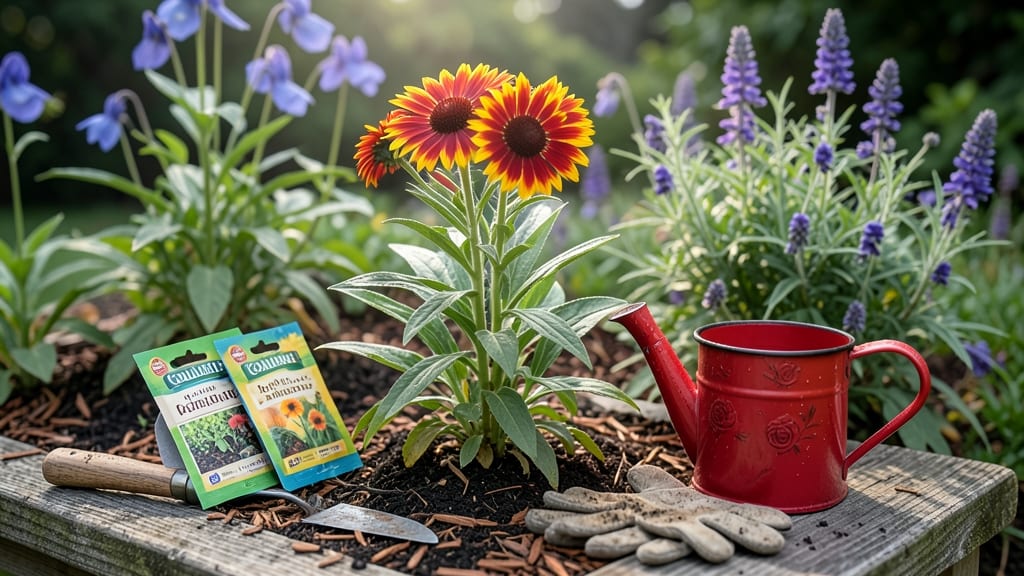
To plant flowers in Colorado, time it right after the last frost—typically mid-April in the Front Range but later in higher elevations—so your 🌸 blooms thrive all season.
Colorado’s dramatic climate—from freezing mountain air to sudden heat waves—can make planting flowers a high-stakes guessing game. Get the timing wrong, and your blooms may never take root. But with the right frost dates and heat zone knowledge, you can turn your garden into a vibrant escape all season long.
Whether you’re sowing annuals like marigolds or perennials like coneflowers, the key is knowing your USDA zone (5-7) and adjusting for altitude. Lower elevations warm up faster, while high-country gardens need a longer wait—sometimes until late May—before planting.
Inside, I’ll break down exact frost dates by region, the best flowers for each month, and how to protect your plants from Colorado’s unpredictable weather—so you can enjoy blooms from spring to fall.
Colorado’s frost dates & heat zones: the exact timing for planting flowers
Colorado’s USDA hardiness zones range from 5 in the mountains to 7 in the lower elevations, creating wildly different planting windows. Understanding your last frost dates and heat zones is key to avoiding frost damage or stunted growth.
For example, Denver’s average last frost date is April 15, while Grand Junction’s is March 20—a full month earlier!
Altitude plays a massive role too. Every 1,000 feet higher can delay your planting window by 1-2 weeks.
That means a 6,000-foot elevation in Colorado Springs will have later frost dates than a 4,500-foot elevation in Fort Collins. Perennials and bulbs are especially sensitive to these shifts, so timing is everything.
| Region | USDA Zone | Avg. Last Frost | Avg. First Frost | Planting Window |
|---|---|---|---|---|
| Front Range (Denver, Boulder) | 5b-6a | April 15 | October 15 | Late April–May (spring), Aug–Sept (fall) |
| Western Slope (Grand Junction, Durango) | 6a-7a | March 20 | November 5 | Mid-March–April (spring), Sept–Oct (fall) |
| Eastern Plains (Pueblo, Lamar) | 6a-6b | April 5 | October 25 | Early April–May (spring), Aug–Sept (fall) |
| Mountain Regions (Aspen, Telluride) | 4b-5a | May 15 | September 20 | Late May–June (spring), July–Aug (fall) |
For annual flowers like marigolds or zinnias, wait until two weeks after your region’s last frost date. These heat-lovers thrive in Colorado’s long summer days but won’t survive a late freeze.
Meanwhile, cool-season annuals like pansies or snapdragons can handle light frosts and should be planted 4-6 weeks before your last frost.
Bulbs like daffodils and tulips are trickier—they need chilling in winter but also warm soil to sprout.
Plant them in fall (September–October) for spring blooms, but in high-altitude zones (above 7,000 ft), wait until late September to avoid premature sprouting. Perennials, such as coneflowers or black-eyed Susans, can go in early spring as soon as soil is workable (50°F).
Don’t forget microclimates! A south-facing wall can warm up 5-10°F warmer than open ground, letting you plant heat-loving flowers like petunias 2-3 weeks earlier. Conversely, low-lying areas hold cold air and may frost 1-2 weeks later than surrounding zones.
Use these pockets wisely—place frost-sensitive plants near warm spots and cold-hardy varieties in cooler areas.
If you’re unsure about your exact frost dates, check the Colorado State University Extension’s frost date maps or use a local weather station app for real-time updates. Hardening off seedlings for 10-14 days before transplanting also helps them withstand unexpected late frosts.
For extra protection, use frost blankets or row covers until temperatures stabilize.
Pro tip: Native Colorado flowers like columbine or blanket flower are already adapted to our short growing seasons and temperature swings. They’ll bloom reliably with minimal fuss, making them perfect for first-time gardeners or high-altitude plots. Start with these low-maintenance stars to build confidence before tackling finicky annuals.
Remember, fall planting is just as critical as spring. Many cool-season flowers thrive when planted in August–September, giving them time to establish roots before winter. Bulbs planted in fall often produce bigger, hardier blooms the following spring.
So mark your calendar for both spring and fall planting windows—your garden’s success depends on it!
With these
Best flowers to plant by month in Colorado (with frost-proof strategies)
Colorado’s unpredictable frost dates and rapid temperature swings demand a strategic planting plan. Whether you’re growing cold-hardy annuals or heat-loving perennials, timing is everything. I’ve tested these monthly planting windows in my own Denver garden, adjusting for elevation and microclimates to keep blooms thriving.
For low-elevation gardens (Front Range), aim for late April to early May after the last frost. In mountain regions (Zone 5), start 2-3 weeks later to avoid late snow. Use row covers or greenhouses to extend seasons—my pansies bloom until November with just a lightweight cover!
🌱 Colorado Flower Planting Calendar
- March: Daffodils & tulips (bulbs), crocus (Zone 5+). Plant pansies under row covers for early color.
- April: Snapdragons, calendula, lupines. Harden off zinnias indoors if frost risks remain.
- May: Marigolds, cosmos, black-eyed susans. Transplant tomatoes (yes, they’re flowers too!) after May 15.
- June-July: Sunflowers, hollyhocks, coneflowers. Succession plant basil (yes, it’s a flower first!) for pollinators.
- August-Sept: Asters, mums, snapdragons for fall color. Start bulbs for next spring.
💡 Pro Tip: Use black plastic mulch in June to warm soil for heat-loving flowers like zinnias.
My biggest mistake? Planting tender annuals like petunias too early. They wilted in a May frost—now I wait until Memorial Day weekend for Zone 6 gardens. For high-altitude gardens, start cold frames in February to get a head start on snapdragons and stock.
Don’t overlook fall planting! Asters and goldenrod thrive when seeded in August for September-October blooms. I’ve even seen pansies survive light frosts when planted in September—just add a lightweight row cover for insurance.
For container gardens, use self-watering pots to prevent drought stress during Colorado’s dry summers. My zinnias in containers bloom 30% longer than in-ground plants because I can water deeply without over-saturating the soil.
Extend your bloom season by 3-4 months with these frost-proof tricks: plant everblooming roses in south-facing beds, use cloche covers for early spring flowers, and choose native perennials like columbine that handle drought and cold.