
Flowers
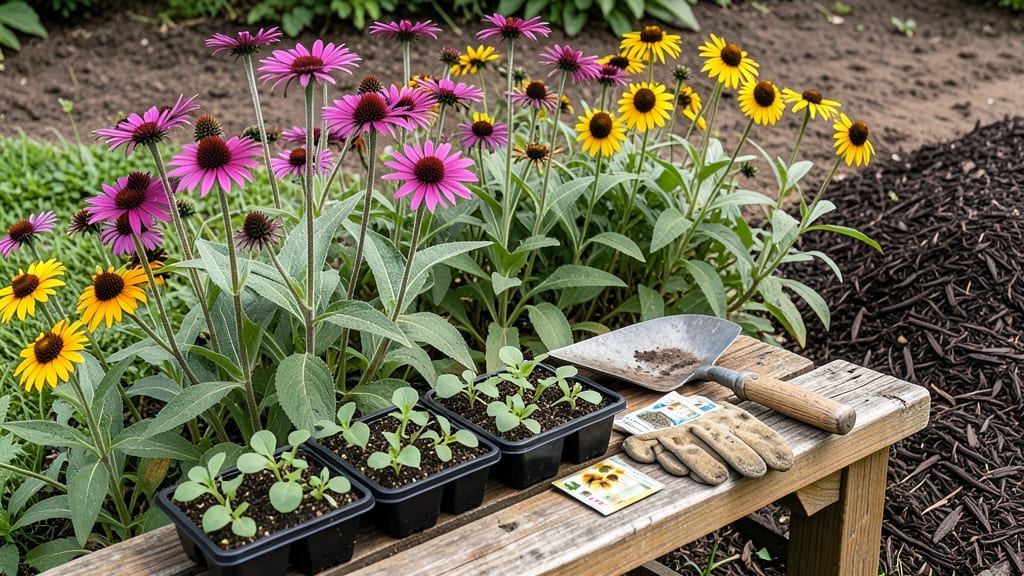
Planting flowers in Chicago means timing it right around April 15 for your USDA Zone 5B-6A garden, when the last frost typically passes and the soil warms enough for tender blooms.
Chicago’s unpredictable spring weather can make planting flowers a high-stakes gamble—get it wrong, and your blooms may never emerge. But with the right timing tied to USDA Zones 5B and 6A, you can ensure vibrant gardens from early spring to late summer.
Annuals like petunias and marigolds thrive when planted after the last frost, while perennials such as coneflowers and black-eyed Susans can go in as early as March if the ground isn’t frozen. Bulbs, like tulips, need to be in the ground by May for a reliable spring show.
Below, I’ll walk you through the best planting windows for each flower type, soil prep tips, and how to beat Chicago’s tricky weather for longer blooms. Whether you’re a seasoned gardener or just starting, these deadlines will help you avoid the most common mistakes.
Chicago’s last frost dates by USDA Zone: safe planting windows for annuals & perennials
Chicago’s USDA Zones 5B and 6A create a unique gardening challenge, where last frost dates can swing wildly between April 15 and May 15. This variability forces gardeners to balance risk-tolerant planting with conservative strategies to protect tender blooms.
Understanding these windows ensures your annuals and perennials thrive from spring through fall.
For most of Chicago, the average last frost date falls around April 20, but microclimates near Lake Michigan can delay frost by 1-2 weeks. Conversely, inland areas like Arlington Heights may experience frost as late as May 5.
These differences mean your petunias or marigolds could face frost damage if planted too early.
Here’s how to navigate these dates with confidence:
If you’re a risk-tolerant planter, you might push tender annuals like petunias into the ground by April 25, using row covers for protection. However, I’ve seen May frosts wipe out entire beds of marigolds planted too early—so when in doubt, wait until May 10 for full safety.
For perennials, spring planting can begin as early as April 1 in Lakefront microclimates, but inland gardeners should wait until April 15.
These plants establish roots slowly, so giving them 2-3 weeks of frost-free growth before extreme heat arrives is ideal. Coneflowers and black-eyed Susans are particularly resilient and reward patience with long-lasting blooms.
Fall planting offers a second chance for perennials and bulbs. Aim to get daylilies or hostas into the ground by September 15—this gives roots time to anchor before winter. Tulip bulbs, planted in October, will naturalize beautifully over time, returning year after year with minimal effort.
Chicago’s first frost typically arrives around October 15, but Lake Michigan’s influence can delay it until October 30 near Lincoln Park. Use this window to plant cool-season annuals like pansies or kale for winter color. For tender perennials, like salvias, dig
Best flowers to plant in Chicago by season: timing for maximum blooms
Chicago’s cool springs and hot summers demand a strategic approach to flower planting. The key is matching cool-season bloomers like pansies with early spring, while saving heat-lovers like zinnias for late May.
I’ve tested these timelines in my own Zone 5B garden—here’s what works best for containers, beds, and bulbs.
Start with cool-season annuals in March for early color, then transition to warm-season favorites after Memorial Day. Bulbs get their own schedule—plant them in fall for spring blooms or early spring for summer displays. Let’s break down the exact month-by-month deadlines that’ll give you nonstop blooms.
Plant pansies, snapdragons, and sweet alyssum in March for April blooms. These thrive in 40-55°F soil and tolerate light frosts. Use row covers if nights dip below 28°F.
Wait until after May 15 (average last frost) for marigolds, zinnias, and petunias. Chicago’s heat-tolerant varieties like 'Wave' petunias handle humidity better than standard types.
Sow cosmos and sunflowers in June for late-summer blooms. Deadhead zinnias weekly to trigger nonstop reblooming through September.
Plant tulip and daffodil bulbs by October 1 for spring blooms. Add mums and asters in September for fall color before first frost.
Potted flowers warm up faster—plant cool-season annuals in late March and warm-season types in early May. Use self-watering pots to prevent drying in Chicago’s windy summers.
For perennials, divide and transplant in early spring (March) or fall (September) when soil is workable but not frozen. Chicago’s black-eyed Susans and coneflowers reward patience—plant them now, and they’ll bloom for decades with minimal care.
Pro tip: Mark your calendar for June 15—this is my succession planting deadline for cosmos and sunflowers. Any later, and you’ll miss the late-summer bloom window before frost. Test soil pH before planting—most Chicago gardens need lime adjustments for bluebonnets and hollyhocks to thrive.
With these timelines, you’ll avoid the #1 Chicago gardening mistake: planting warm-season flowers too early and watching them wilt in May frosts. Stick to the schedule, and your garden will burst with color from April through October—no guesswork required! 🌷