
Flowers
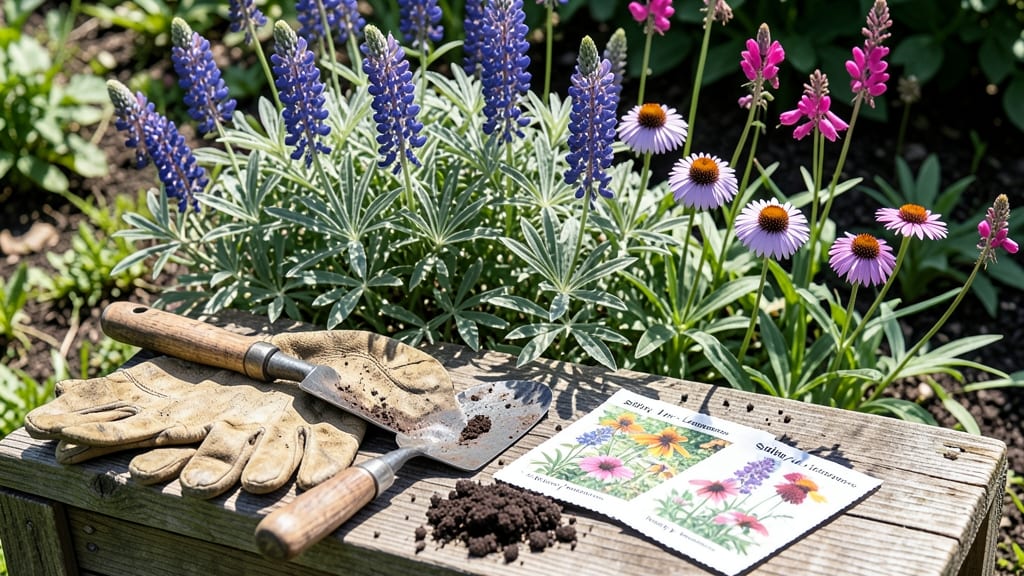
To plant flowers in Montana, aim for April 15–June 15 in spring or August 1–September 15 in fall, when soil warms and frost risks fade.
Montana’s unpredictable frosts can make or break your flower garden—planting at the wrong time means wilting dreams before blooms even appear. But with the right timing, you can beat the frost and enjoy vibrant gardens from Missoula to Billings.
Most USDA Zones 4–5 in Montana see their last frost between May 1–15, so wait until then to plant tender annuals like petunias or marigolds. Hardy perennials like coneflowers or daisies, though, can go in as early as April 15 once the ground thaws.
Below, I’ll break down the exact frost-free dates by region, the best flowers for Montana’s short season, and how to stretch your blooms from spring to fall—no matter where you garden in Big Sky Country.
Montana’s flower planting calendar by USDA Zone 4-5 (with frost-free date maps)
Montana’s USDA Zones 4-5 offer stunning opportunities for hardy annuals and perennials, but timing is everything. In these zones, last frost dates range from May 1-15 in Zone 4 to April 15-30 in Zone 5.
Valley areas like Bozeman and Missoula warm slightly earlier than mountain regions, so adjust your schedule accordingly.
For annual flowers like petunias and marigolds, wait until after the last frost date to plant directly in the ground. Perennials such as coneflowers and daisies can often handle early spring planting if the soil isn’t frozen. Bulbs like tulips and daffodils should be planted in fall (September-October) for spring blooms.
Key tip: Use row covers or cold frames to extend your planting window by 2-3 weeks in both spring and fall. This is especially helpful for tender annuals like geraniums and snapdragons that need a longer growing season.
| Month | Plant Type | Action | Notes |
|---|---|---|---|
| March | Bulbs | Plant spring-blooming bulbs (e.g., tulips, daffodils) | Use well-draining soil; avoid heavy clay |
| April | Perennials | Plant hardy perennials (e.g., coneflowers, lavender) | Wait until soil reaches 50°F (10°C) |
| May | Annuals | Plant heat-loving annuals (e.g., marigolds, zinnias) | After last frost date (May 1-15 in Zone 4) |
| June | Vegetative | Transplant seedlings (e.g., petunias, snapdragons) | Use row covers for early starts |
| August | Fall Bulbs | Plant fall-blooming bulbs (e.g., crocuses, hyacinths) | 6-8 weeks before first frost |
| September | Perennials | Divide overcrowded perennials (e.g., daylilies, hostas) | Replant in well-amended soil |
In Zone 4, where first frosts can arrive as early as October 1, prioritize cold-hardy varieties like delphiniums and hollyhocks. These tall perennials thrive in Montana’s short season and often rebloom if deadheaded.
For valley gardens, start annuals indoors in March to get a head start on the season.
If you’re gardening in high-altitude areas (e.g., Kalispell or Whitefish), expect 2-3 weeks later than valley averages. Use microclimate adjustments—plant sun-loving flowers on south-facing slopes to capture extra warmth.
In Zone 5, you’ll have slightly more flexibility, but late May frosts still occur, so keep row covers handy.
For fall planting, focus on cool-season annuals like pansies and sweet alyssum, which bloom until first frost. Plant these 6-8 weeks before expected frost (typically August 1-15 in Zone 4). Perennial bulbs like alliums and snowdrops can also be planted in late summer for early spring color.
Always check local frost dates using the Montana State University Extension or Almanac resources. Microclimates vary dramatically—Bozeman’s frost-free season may be 2 weeks longer than nearby mountain meadows. Adjust your schedule based on your specific location for the best results.
Pro tip: Mark your last frost date on your calendar and set reminders for fall planting deadlines. A simple garden journal helps track what thrives in your microclimate year after year.
With this Montana-specific planting calendar, you’ll avoid common mistakes like planting too early or choosing unhardy varieties. Soon, your garden will burst with color from May through September, proving that Montana’s short season can still deliver big blooms!
How to extend Montana’s growing season for early and late bloomers
Montana’s short growing season doesn’t mean you’re stuck with flowers for just a few weeks. With the right strategies, you can enjoy blooms from early May through late September.
The key is combining cold-hardy varieties, season extenders, and smart planting techniques tailored to Montana’s USDA Zones 4–5.
For me, the game-changer has been starting sweet alyssum and snapdragons indoors by March 1. These varieties thrive in cooler temps and give me a head start on color.
Pair that with row covers or cold frames, and you’ve got a recipe for blooms that seem to defy Montana’s frosty reputation.
But not all flowers are created equal when it comes to cold tolerance. Below, I’ll break down the pros and cons of extending your season with indoor starts, row covers, and container gardening—so you can pick the method that works best for your garden’s microclimate.
Extending Montana’s Growing Season: Pros & Cons
Indoor Seed Starting
- Pros: Early blooms, more variety
- Cons: Requires grow lights, transplant shock risk
Best for: Sweet Alyssum, Snapdragons, Petunias
Row Covers
- Pros: Protects from frost, easy to install
- Cons: Limits airflow, may need stakes
Best for: Marigolds, Zinnias, Lettuce (edging)
Container Gardening
- Pros: Mobile, warms faster, no frost heave
- Cons: Dries out faster, limited root space
Best for: Geraniums, Coleus, Pansies
💡 Pro Tip: Combine methods! Start seeds indoors, then transplant to containers or under row covers for double protection.
Transitioning from containers to the ground is another critical step. Wait until soil temperatures hit 50°F (10°C)—usually late May in most of Montana—and harden off seedlings for 7–10 days before planting. For tender annuals like impatiens, hold off until June 1 to avoid frost damage.
Cold-hardy perennials like coneflowers and black-eyed Susans are your best bet for low-maintenance late-season color. These thrive even after first frosts and often rebound in spring. I’ve seen coneflowers bloom until October 15 in sheltered spots near Missoula!
Don’t forget about fall planting—August is prime time for cool-season annuals like pansies and stock. These handle light frosts and give you a splash of color through winter. Just avoid planting after September 15, or you’ll risk frost damage before roots establish.
With these techniques, I’ve stretched my Montana garden’s blooming season by nearly 5 months. The secret? Plan ahead, choose wisely, and protect strategically—your garden will thank you with vibrant color from spring to fall. 🌷