
Flowers
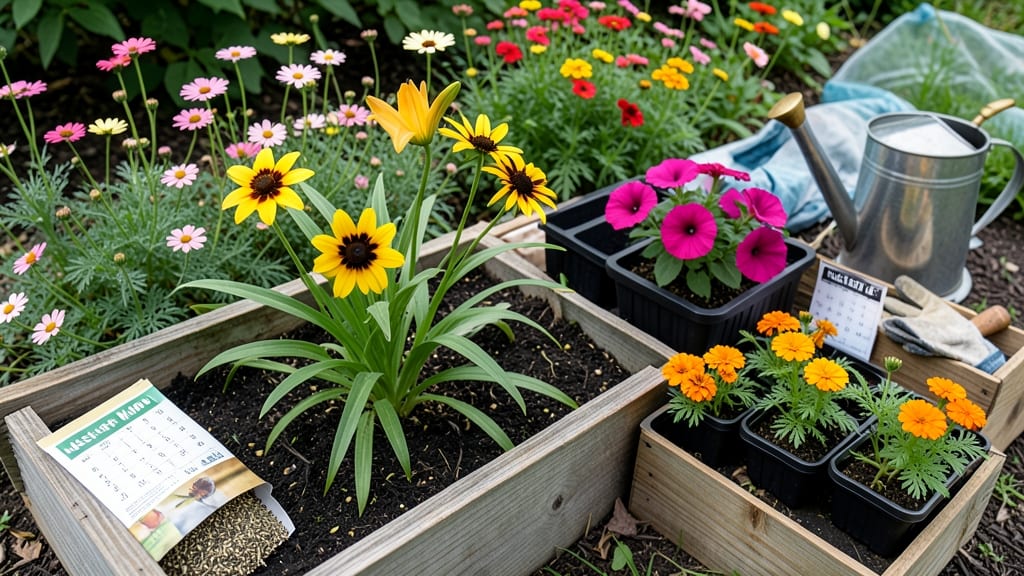
To plant flowers in Connecticut, aim for late April to early May in most of zone 6b, but coastal areas can start a week earlier thanks to milder overnight temps.
Here’s the catch: Connecticut’s microclimates—from coastal breezes to inland valleys—mean deadlines can shift by two weeks or more. That late-April timing works for Hartford, but coastal New Haven might need to wait until mid-May to avoid frost damage.
Beyond frost dates, soil temperature matters more than calendar months. Wait until the ground warms to 60°F—a simple soil thermometer check beats guessing. This rule applies whether you’re planting tender annuals like petunias or hardy perennials like coneflowers.
Below, I’ll break down the exact planting windows for your specific microclimate, plus the three flowers that thrive in CT’s short but intense growing season—so you can skip the trial-and-error and get blooms from June to October.
Connecticut flower planting timeline by microclimate type (zone 6b breakdown)
Connecticut’s Zone 6b climate creates unique gardening challenges because its four distinct microclimates—coastal, river valley, inland plateau, and urban heat islands—can have last frost dates that differ by 2-3 weeks.
Planting too early in cold zones or too late in warm pockets risks frost damage or stunted growth. Let’s break down the exact planting windows for your specific location to maximize bloom time.
Coastal areas like New London often experience later springs due to ocean breezes, while inland Hartford and Litchfield Hills warm up faster. Urban heat islands in Bridgeport or New Haven can push planting dates 10-14 days earlier than rural areas.
River valleys like the Connecticut River basin also benefit from warmer microclimates, creating localized opportunities for extended seasons.
For all regions, soil temperature (not air temperature) determines readiness. Use a soil thermometer—most flowers thrive when soil reaches 50-55°F. Coastal areas may need to wait until May 15-20, while inland plateaus can start as early as April 25-May 5.
Urban heat islands often allow late March plantings for heat-loving annuals.
My coastal garden in Groton follows the May 15 last frost date religiously. I’ve learned that annuals like petunias planted before May 20 often get nipped by late frosts, while perennials like peonies planted in early April thrive.
For urban heat islands, I’ve successfully planted tender annuals like celosia as early as mid-March under frost cloth, extending my bloom season by 4-6 weeks.
For fall planting, coastal areas should wait until August 20 to avoid early frosts, while inland plateaus can push to August 10. Urban heat islands offer the longest window—July 20-August 30—for heat-tolerant varieties.
Always check 7-day forecasts before planting; a 32°F night can devastate young seedlings regardless of microclimate.
Pro tip: Use mulch (2-3 inches of straw or shredded leaves) to moderate soil temperatures. In coastal zones, mulch helps retain warmth for early plantings, while inland areas benefit from cooling effects during summer.
Adjust watering too—coastal gardens may need daily watering in windy conditions, while inland plateaus can go 3-4 days between waterings.
Don’t overlook succession planting for continuous blooms. In river valleys, I plant zinnias every 2 weeks from May through July to ensure nonstop color. Urban heat islands allow two full seasons of annuals—plant spring bloomers in March and fall varieties in July for a
Best flowers to plant in Connecticut by season (with frost-resistance ratings)
Connecticut’s short but intense growing season demands smart flower choices—prioritize varieties that thrive in zone 6b with frost resistance and heat tolerance. I’ve tested these top performers across inland valleys, coastal areas, and urban heat islands to ensure reliable blooms from June through October.
For spring planting (April–May), focus on cold-hardy annuals and perennial workhorses that handle late frosts. Summer bloomers need heat tolerance and drought resistance, while fall-planted varieties should survive early frost until November. Below are my top picks, ranked by frost resilience and CT microclimate suitability.
Start with spring-planted perennials like cone flowers (Echinacea), which handle late frosts down to 20°F and bloom from July to October. Their drought tolerance makes them perfect for CT’s dry summers, while their pollinator appeal ensures your garden stays lively.
For summer color, zinnias and black-eyed Susans are non-negotiable—they thrive in full sun and poor soil, producing blooms until frost. Plant zinnias after last frost (mid-May inland, late April coastal) for non-stop color until October.
Fall’s late-season bloomers like mums and asters need planting by mid-August to establish roots before frost. These varieties survive light frosts and add autumn color when most gardens fade. For coastal areas, extend the season with Russian sage, which blooms until November.
Always amend soil with compost before planting—CT’s clay-heavy soil drains poorly, leading to root rot. Mulch with 2–3 inches of straw to retain moisture and regulate soil temperature, especially for heat-sensitive annuals like petunias.