
Flowers
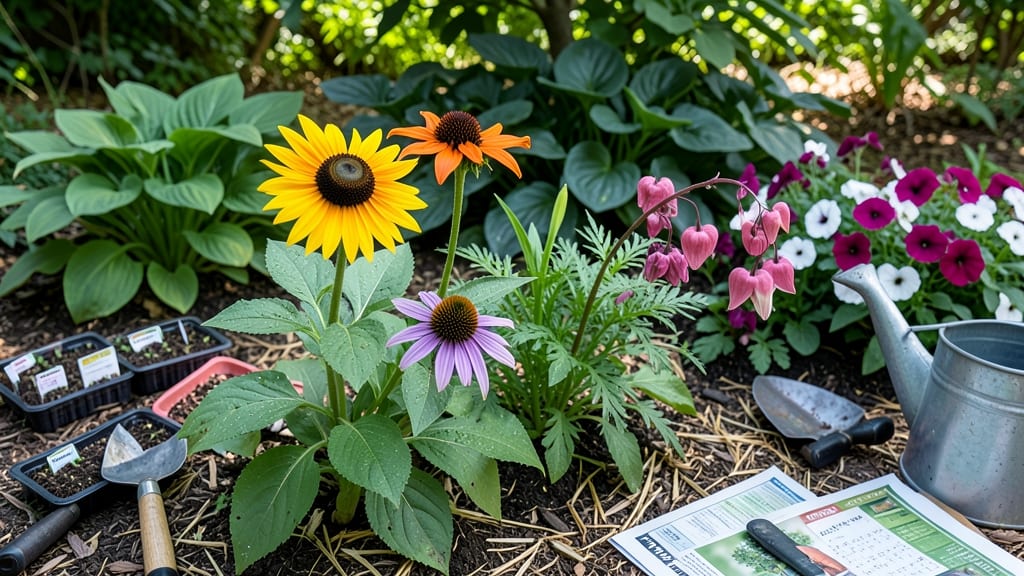
Planting flowers in Indiana after the last spring frost — around mid-April — guarantees vibrant blooms and avoids frost damage, but timing varies by type and zone.
Indiana’s unpredictable spring weather can turn your dream garden into a frost-killed disappointment—but knowing the exact planting windows for USDA Zones 5b-6a ensures your flowers bloom on time, every time. One late freeze and your tulips 🌸 might never recover, while perennials planted too early risk stunted growth.
Annuals like petunias and marigolds thrive when sown directly after the last frost, while perennials such as daylilies and coneflowers can handle a little chill. Bulbs like daffodils, however, need to be in the ground by October for a spring surprise.
The key? Adjusting for your microclimate—urban areas warm faster than rural spots, and high elevations stay cooler longer.
Below, I break down the perfect planting schedule for Indiana’s most popular flowers, including soil prep tips and frost-proofing tricks. Whether you’re a beginner or a seasoned gardener, these deadlines will help you skip the guesswork and enjoy a garden bursting with color all season.
Indiana flower planting calendar by type: annuals, perennials, and bulbs
Indiana’s USDA Zones 5b-6a mean your flower planting timeline hinges on last frost dates (April 15–May 15) and first frost (October 15–November 1). Miss these windows, and your tender annuals or newly planted perennials could become frost casualties.
The key? Plant hardy perennials after the last frost, warm-season annuals only after soil warms to 60°F, and fall-planted bulbs 6–8 weeks before first frost. Let’s break it down by flower type so you never guess again.
For annuals, timing is everything—cool-season varieties like pansies and snapdragons can handle light frosts, while heat-lovers such as zinnias and marigolds need to wait until May 15 or later. Perennials divide into hardy types (like coneflowers) that survive winter and tender ones (like cannas) that need after-last-frost planting. Bulbs are tricky: spring-bloomers like tulips go in fall, while fall-planted varieties (e.g., daffodils) need October timing to establish roots before freeze.
Pro Tip: Use Indiana’s frost-free days (165) to your advantage. Start cool-season annuals indoors in March for early blooms, and succession-plant heat-lovers every 2 weeks from June to August. Heat-tolerant varieties like celosia or portulaca can even handle late-June starts—perfect for gardeners who miss the spring window.
Let’s tackle annuals first. Your cool-season annuals—think pansies and snapdragons—can handle light frosts down to 25°F, so plant them as early as March 1 for spring blooms. Start seeds indoors by February 15 to get a head start.
For heat-loving annuals like zinnias or marigolds, wait until after May 15 when soil temperatures consistently hit 60°F. These varieties thrive in Indiana’s summer heat and will reward you with continuous blooms until frost.
For perennials, the rule is simple: hardy perennials (like coneflowers) go in after the last frost, while tender perennials (such as cannas) need to wait until mid-May. Divide perennials in early spring (April) to rejuvenate clumps and encourage fuller blooms.
Pro tip: Mulch newly planted perennials with 2–3 inches of organic mulch to retain moisture and protect roots during Indiana’s hot summers.
Don’t overlook bulbs, which are the secret to early spring color. Spring-blooming bulbs like t
How to adjust planting dates for Indiana’s microclimates and frost risks
Indiana’s diverse landscapes—from urban heat islands in Indianapolis to cooler valleys in southern Indiana and high-elevation areas in northern regions—create microclimates that can shift planting windows by 2-3 weeks.
A city garden might warm enough for petunias by April 20, while a rural valley could still face frost until May 5. Understanding these variations helps you avoid frost damage to tender flowers like geraniums or cosmos.
Even within the same county, elevation changes of just 100 feet can delay last frost dates by 5-7 days.
For example, Bloomington’s USDA Zone 6a typically warms faster than South Bend’s Zone 5b. Use local weather stations or Almanac frost charts to pinpoint your exact planting zone—not just the general USDA zone.
⚠️ callout warning
If your area’s average last frost is April 15, but you’re planting tender annuals like impatiens or vinca, wait 10 days beyond that date. Urban areas can be 3-5°F warmer than rural zones, but valleys and low spots may need an extra 2 weeks of caution.
Exception: Daffodils and tulips planted in fall (October) thrive with early chills, but late-summer cosmos planted after July 15 risk bolting if nights stay too warm.
Action: Use row covers or cold frames to extend your planting window by 2-3 weeks in spring or fall.
To extend your growing season, use soil warming techniques like black plastic mulch or straw bales under containers. These can raise soil temps by 5-10°F, letting you plant marigolds or zinnias 2 weeks earlier in urban areas.
For high-elevation gardens, hardy perennials like coneflowers or black-eyed Susans tolerate cooler soils better than tender annuals.
For late-summer blooms, adjust planting dates based on daylength. Cosmos and sunflowers sown after July 1 may bolt if nights stay above 70°F. Instead, opt for heat-tolerant varieties like ‘Heatwave’ zinnias or ‘Profusion’ petunias, which handle 90°F+ temps without stress.
Pro tip: Test your microclimate by placing frost-sensitive plants (like coleus) in different spots. If they survive 3 weeks past the official last frost, you’ve found a warmer pocket for tender annuals.
Conversely, if marigolds wilt overnight, you’re in a cold sink—delay planting by 10-14 days.
By mastering these adjustments, you’ll avoid frost disasters and maximize bloom time, even in Indiana’s unpredictable climate. Start with hardy perennials in early spring, then add annuals as temps rise—your garden will thank you with nonstop color from May to October. 🌿