
Flowers
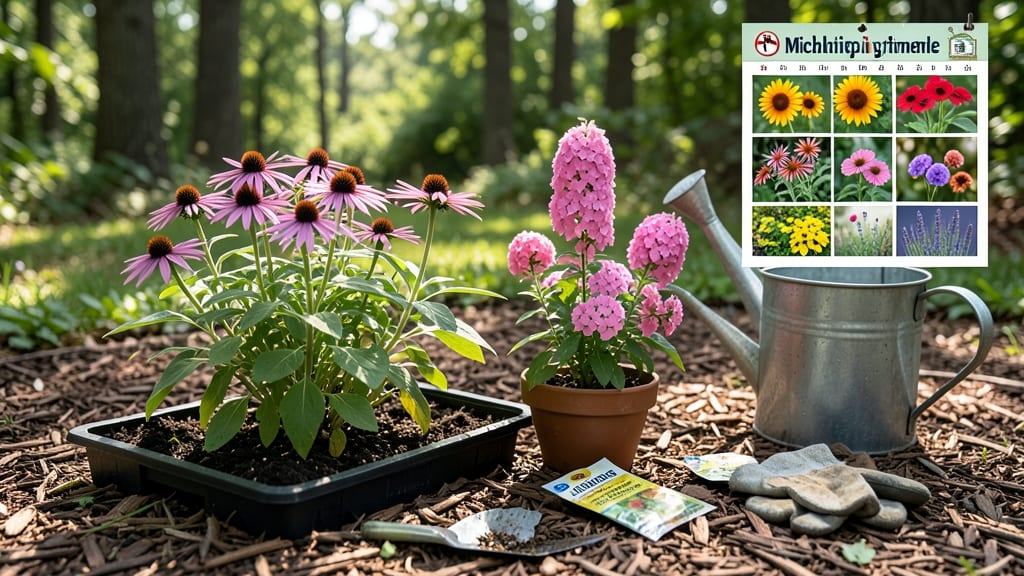
Planting flowers in Michigan after the last frost—typically between April 15 and May 15—sets the stage for a showstopping summer garden 🌸.
But here’s the catch: Michigan gardeners know that timing is everything—plant too early, and frost will wipe out your blooms; too late, and you’ll miss peak flowering season. Mastering the perfect planting windows for annuals, perennials, and bulbs in USDA Zones 5b/6a ensures vibrant gardens all summer long.
Whether you’re sowing seeds indoors in March or rushing to get transplants into the ground by early May, the 165 frost-free days of Michigan’s growing season demand precision.
From heat-loving zinnias to cold-hardy pansies, each flower has its own ideal window—and getting it wrong can mean the difference between a garden bursting with color and one that fizzles out by July.
In this guide, I’ll break down the exact dates for planting annuals, perennials, and bulbs, plus pro tips for adjusting to Michigan’s unpredictable weather. You’ll learn how to stretch your season, choose the right varieties for your microclimate, and avoid the most common mistakes that leave gardens looking half-baked.
Michigan flower planting calendar: exact dates by flower type (annuals vs perennials)
Michigan's USDA Zones 5b/6a mean your planting schedule hinges on last frost dates (April 15–May 15) and first frost (October 10–November 1). Annuals and tender perennials need warm soil, while hardy perennials and bulbs have wider windows.
I’ll break down the exact timing for each type, plus heat-tolerant picks for Zone 6a’s hotter microclimates.
For annuals, spring planting starts after May 1 in most areas, but cool-season varieties like pansies can go in late August for fall blooms.
Perennials divide into hardy types (e.g., coneflowers) that tolerate early spring planting and tender varieties (e.g., geraniums) that wait until soil warms to 60°F (15°C).
Bulbs like tulips and daffodils need 6–8 weeks of chilling before spring planting (late September–October). Fall-planted bulbs like crocuses can handle Michigan’s early snow, while spring bulbs (e.g., hyacinths) wait until April 15–May 1.
Use this summary table as your quick-reference guide for Michigan’s planting deadlines by flower type, including heat-tolerant picks for Zone 6a:
| Flower Type | Planting Window | Heat-Tolerant Picks (Zone 6a) | Key Notes |
|---|---|---|---|
| Spring Annuals | May 1–15 (after last frost) | Zinnias, Marigolds, Lantana | Fast growers; transplant after soil hits 60°F |
| Fall Annuals | August 15–September 15 | Pansies, Snapdragons, Calendula | Cool-season blooms; avoid frost |
| Hardy Perennials | April 1–May 15 (early spring) | Coneflowers, Black-Eyed Susans, Daylilies | Survive light frost; mulch after planting |
| Tender Perennials | May 15–June 1 (soil 60°F+) | Geraniums, Petunias, Coleus | Wait for warm soil; use row covers if late |
| Spring Bulbs | April 15–May 15 (after frost) | Hyacinths, Tulips, Daffodils | Need chilling; plant deep (6"–8") |
| Fall Bulbs | September 1–October 15 | Crocuses, Alliums, Snowdrops | Plant before ground freezes; mulch |
For Zone 6a’s hotter microclimates (e.g., near Lake Michigan or urban heat islands), prioritize heat-tolerant annuals like lantana or celosia. These thrive in full sun (6+ hours/day) and well-draining soil, even when temps hit 90°F+. Mulch with straw or pine needles to retain moisture.
If you’re in the Upper Peninsula (Zone 5b), shift planting 1–2 weeks later to avoid late frosts. Test soil temps with a thermometer—aim for 60°F (15°C) for annuals and 50°F (10°C) for perennials. Container gardens warm faster, so plant 2 weeks earlier than in-ground beds.
Pro tip: Use row covers or cold frames to extend the season for tender perennials like canterbury bells. These can handle light frosts (28–32°F) with protection. For bulbs, plant crocuses and snowdrops in late September—they’ll bloom through early snow.
Remember: Michigan’s first frost (October 10–November 1) signals the end for annuals and tender perennials. Pull up geraniums and petunias before 32°F to replant indoors or save seeds. Hardy perennials like sedum and heuch
How to adjust planting times for Michigan’s unpredictable weather patterns
Michigan’s weather can throw a curveball—one day it’s 70°F and sunny, the next, a surprise frost hits. These unpredictable patterns make planting times tricky, especially for heat-loving annuals like zinnias or tender perennials.
The key? Flexibility. I’ve learned to adjust planting windows using tools like row covers and cold frames, which can push back frost dates by 2-4 weeks.
For example, in the Upper Peninsula (Zone 5b), where springs are cooler, I start cold-hardy flowers like pansies and snapdragons indoors by March 15. Meanwhile, in the Lower Peninsula (Zone 6a), I wait until April 1 for the same varieties, thanks to warmer microclimates near Lake Michigan.
This regional difference is critical—getting it wrong can mean wasted seeds or stunted growth.
⚠️ callout warning ⚠️
Michigan’s false springs (warm spells followed by frost) are infamous. Even if your pansies bloom in April, a late frost can kill them overnight. Wait until May 10 for tender annuals like marigolds and petunias—or use frost cloth to protect them for 2 extra weeks.
Pro Tip: Check the National Weather Service’s frost prediction maps weekly. If frost is forecasted after your planting date, delay by 10-14 days or cover your plants.
Another trick I swear by is choosing fast-growing varieties for late starts. Zinnias and cosmos germinate in just 5-7 days and bloom in 60 days, making them perfect for June plantings if spring was slow.
Even if you miss the ideal window, these flowers will still deliver months of color before frost.
For perennials, timing matters too. Hardy types like coneflowers and black-eyed Susans can handle early spring plantings (as soon as soil thaws), but tender perennials like lavender need to wait until after May 15.
I’ve also started using mini cold frames (clear plastic bins with lids) to give seedlings a 10°F warmer environment, which extends the growing season by 3-4 weeks.
Don’t forget about succession planting—a strategy that saves my garden every year. Instead of planting all my marigolds at once, I stagger them every 2 weeks from May through June.
This ensures continuous blooms and maximizes my short season. It’s also a lifesaver if a late frost wipes out your first batch.
Finally, pay attention to microclimates. South-facing slopes warm up faster than shaded spots, and urban areas (like Detroit) often have 5-10°F warmer springs than rural zones. Use these pockets of warmth to plant heat-lovers like sunflowers earlier, while keeping frost-sensitive impatiens in cooler, shaded beds.