
Flowers
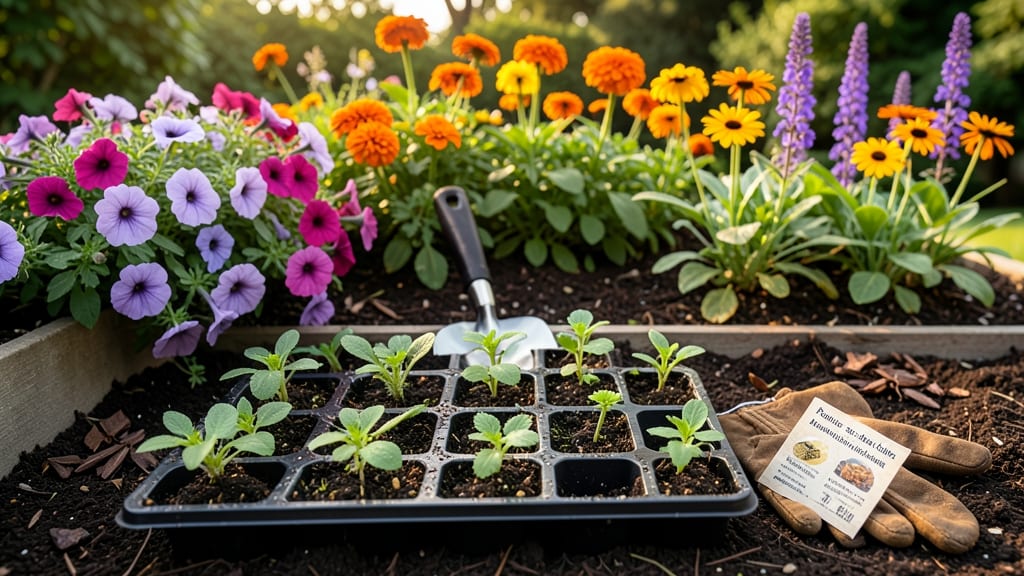
Planting flowers in Philadelphia at the right time means the difference between a garden full of vibrant blooms and one that never takes off.
Timing your flower planting in Philadelphia’s Zone 7a climate can mean the difference between vibrant blooms and frost-killed dreams—so knowing exactly when to plant is critical for a thriving garden.
With last frosts typically hitting around April 15, waiting too long risks stunted growth, while planting too early could leave delicate 🌸 flowers vulnerable to cold snaps. The key is balancing soil warmth, frost dates, and the specific needs of your varieties.
Below, I break down the best months for annuals, perennials, and bulbs—plus how to stretch your season with simple tricks like row covers and strategic fall planting.
Philadelphia’s frost-free dates: the exact timeline for planting flowers in Zone 6b
Philadelphia’s Zone 6b climate creates a unique planting window where timing is everything. The city’s last frost date typically falls between April 15 and May 15, while the first frost arrives between October 15 and November 1.
These dates mark the boundaries of your growing season, so understanding them helps you avoid frost damage to tender annuals and perennials.
For gardeners, the 10-day rule is a lifesaver—it means waiting 10 days after your average last frost date before planting heat-loving flowers like petunias or marigolds.
This buffer ensures your plants aren’t caught off guard by late frosts. In Philly, that often means holding off until May 5–25 for most annuals.
Perennials like coneflowers or black-eyed Susans are hardier and can often handle Philly’s late spring frosts. However, even they benefit from being planted after the soil temperature reaches 50°F, usually by mid-April. Use a soil thermometer to check—it’s a game-changer for avoiding root shock.
Here’s a quick reference for Philadelphia’s frost-free timeline and how it impacts your planting schedule:
| Planting Stage | Action | Philadelphia Timeline | Key Notes |
|---|---|---|---|
| Last Frost Window | Prepare soil, plant hardy perennials | April 15–May 15 | Soil should be 50°F+ for safe planting |
| Safe Planting for Annuals | Plant heat-loving flowers (e.g., petunias, zinnias) | May 5–25 (10-day rule) | Wait until nighttime temps stay above 50°F |
| Peak Growing Season | Water deeply, fertilize, deadhead | June–September | Philadelphia’s humid summers require consistent moisture |
| Fall Planting for Cool-Season Flowers | Plant pansies, snapdragons, asters | September 1–15 | Soil should be 60°F+ for best root growth |
| First Frost Warning | Protect tender plants, harvest seeds | October 15–November 1 | Use row covers to extend season for late bloomers |
Philadelphia’s humid summers and unpredictable fall frosts make the 10-day rule even more critical. For example, planting marigolds on May 1 might still risk frost damage if a late cold snap hits.
Instead, opt for May 15—this gives your plants a 2-week buffer to establish roots before summer heat sets in.
For bulbs like tulips or daffodils, timing is equally precise. Plant them in fall (October–November) so they’ll bloom early next spring. The key is getting them in the ground 6–8 weeks before the first frost, which aligns with Philly’s October 15–November 1 window.
If you’re unsure about frost dates, check the National Weather Service’s Philadelphia forecast or use a frost calendar from local nurseries like Richters or Longwood Gardens. They often provide hyper-local adjustments based on microclimates in neighborhoods like Fishtown vs. Chestnut Hill.
Pro tip: Use mulch to insulate soil and row covers for late-season protection. These simple tools can extend your growing window by 2–4 weeks, giving you more time to enjoy vibrant blooms before winter sets in.
Remember, Philadelphia’s Zone 6b climate is forgiving but not foolproof. By following this timeline and using the 10-day rule, you’ll maximize your garden’s potential and avoid the heartbreak of frost-killed flowers.
Best flowers to plant in Philadelphia by season: cool vs. warm season varieties
Philadelphia’s Zone 6b climate offers a perfect window for growing cool-season flowers in early spring and warm-season varieties once summer arrives. The key is planting at the right time to avoid frost damage while maximizing bloom potential.
For example, tulips and pansies thrive in cooler temps, while zinnias and cosmos need warmer soil to establish roots.
I’ve broken down the best flowers for each season, including their hardiness zones and ideal planting months. Whether you’re a beginner or a seasoned gardener, these varieties will ensure your garden stays colorful year-round.
Remember, Philadelphia’s last frost typically occurs around April 15, while the first frost hits in mid-October, so plan accordingly.
When to Plant Flowers in Philadelphia
- 1 Early Spring (March-April): Plant cool-season flowers like pansies and tulips as soon as soil is workable (around 40°F). These thrive in cooler temps and can handle light frosts.
- 2 Late Spring (May): Wait until after the last frost (around May 15) to plant warm-season annuals like petunias and marigolds. Soil should be at least 60°F for best results.
- 3 Summer (June-August): Focus on heat-loving flowers like zinnias and cosmos. These varieties bloom prolifically in Philadelphia’s humid summers and attract pollinators like bees and butterflies.
- 4 Fall (September-October): Plant fall-blooming varieties like mums and asters in early September. These handle cooler temps and add late-season color before winter sets in.
For cool-season flowers, start with pansies and snapdragons in early spring. These hardy annuals can handle light frosts and even bloom in 30°F temps.
Plant them in well-draining soil with partial shade to prevent bolting. Tulips and daffodils are also great choices for early spring, but plant their bulbs in fall (October-November) for a stunning spring display.
Once the weather warms up, switch to warm-season flowers like petunias and geraniums. These thrive in full sun and need consistent moisture to establish roots. Marigolds are another excellent option—they repel pests and add vibrant color to summer borders.
For a low-maintenance option, try cosmos, which self-seeds and blooms all season long with minimal care.
In fall, don’t overlook mums and asters. These varieties handle cooler temps and provide a burst of color just before winter. Plant them in early September to give roots time to establish before the first frost.
For perennials like coneflowers and black-eyed Susans, divide and transplant in fall to encourage stronger growth next year.
Pro tip: Use mulch around your plants to retain moisture and regulate soil temperature. This is especially important in Philadelphia’s humid summers, where mulch helps prevent soil from drying out too quickly. With the right timing and care, your garden will stay vibrant from spring to fall!