
Flowers
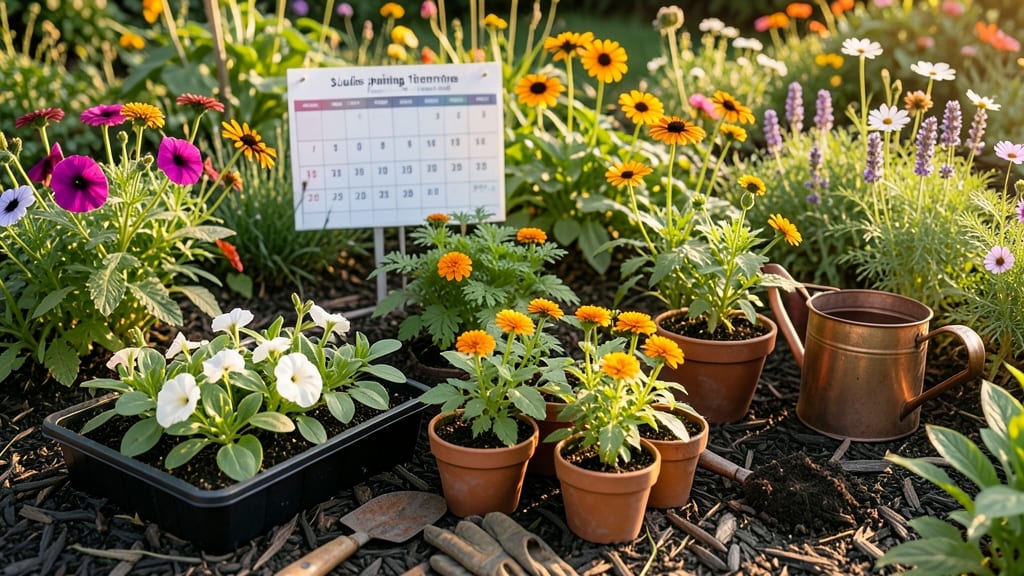
Planting flowers in St. Louis at the right time means the difference between a burst of color and a sad, frost-nipped disappointment.
St. Louis gardeners know timing is everything—plant too early and risk frost damage, too late and miss peak blooms. But with the city’s unique microclimates, from urban heat islands to river valley chill zones, the "best time" varies dramatically by flower type.
In USDA Zone 6a, most annuals and tender perennials wait until after the last frost date (around April 15), while hardy bulbs like daffodils and tulips get a head start in February or early March.
Fall planting for perennials and spring-blooming bulbs starts in August or September.
Here’s how to match your favorite 🌸 flowers to St. Louis’s shifting seasons—plus microclimate tweaks to protect your investment from unexpected freezes or scorching heat.
St. louis flower planting deadlines by hardiness zone & microclimate
St. Louis sits in USDA Zone 6a/6b, where last frost dates typically land between April 15–May 1. But the city’s microclimates—from concrete heat islands to river valley chills—can shift your planting window by 2–4 weeks.
For example, urban areas like Downtown may warm 10°F faster than suburban Clayton, while the Mississippi River valley holds frost longer.
Annuals like marigolds and petunias need to wait until after May 1 in chill zones, while heat-tolerant salvias can go in as early as April 1 in sun-baked south-facing beds.
Perennials like coneflowers thrive when planted in early spring (March–April) or fall (September–October), but bulbs like tulips must hit the ground by November 1 for winter dormancy.
Here’s your microclimate-adjusted planting guide for St. Louis flowers, broken down by exposure and flower type:
For north-facing gardens, delay frost-sensitive plants like impatiens until May 10—they’ll need extra shade cloth if summer heat hits early. Meanwhile, south-facing urban walls can handle coleus or begonias as early as April 1, thanks to reflected heat from buildings.
Pro tip: Use biodegradable plant markers to track your microclimate’s unique deadlines. I label mine with the plant type, date planted, and expected bloom time to avoid confusion when adjusting for microclimates.
If you’re unsure about your microclimate, test it with frost-sensitive plants like basil. Plant a few in different spots—if they survive a late frost in one area but not another, you’ve found your chill zone. Adjust future plantings accordingly!
Remember, St. Louis’ first frost typically arrives October 15, so fall-planted bulbs (like crocuses) need to be in the ground by September 15 to establish roots before winter. For tender perennials like canas, wait until May 20 to plant—earlier starts risk root rot in cool, damp soil.
🌱
Best flowers to plant in St. louis by season (with local adaptations)
St. Louis’s four distinct seasons create perfect conditions for a year-round flower garden, but each season demands different stars. Spring bulbs like daffodils and tulips wake up the garden, while summer annuals like black-eyed Susans and coneflowers thrive in the heat.
Fall brings hardy mums and hellebores, and winter’s dormant season is ideal for planning next year’s perennial beds.
Local microclimates—like the urban heat islands downtown or the river valley chill near Creve Coeur—can shift planting windows by 2-3 weeks. For example, shade-loving impatiens may flourish on south-facing urban walls where direct sun would scorch them, while heat-tolerant salvias can handle the pavement’s radiant heat better than petunias.
- 🌱 Spring (March–May): Plant daffodils and tulips in February–March for early blooms. Wait until after April 15 (last frost) for petunias, geraniums, and impatiens. Use mulch to protect tender roots from late frosts.
- ☀️ Summer (June–August): Sow black-eyed Susans and coneflowers in April–May for peak summer color. Marigolds and zinnias thrive with successional planting every 3 weeks. Water deeply in morning to combat heat stress.
- 🍂 Fall (September–November): Plant mums and asters in August–early September for fall color. Hellebores and snowdrops go in September–October to naturalize for spring. Divide perennials like daylilies in late summer to rejuvenate clumps.
- ❄️ Winter (December–February): Bulbs like crocuses can be planted in November for early spring blooms. Use winter mulch (straw or leaves) to protect tender perennials like lavender. Plan next year’s color themes based on this year’s successes!
For urban gardens, opt for container-friendly flowers like pansies or calibrachoas, which tolerate fluctuating temperatures. In river valley areas, delay frost-sensitive plants like coleus or begonias until May 1 to avoid late frosts. Always check soil temperature—aim for 60°F+ for most annuals before planting.
Pro tip: Group flowers by water needs to simplify care. Drought-tolerant coneflowers pair well with thirsty impatiens in partial shade, while sun-loving lavender thrives alongside low-water sedum. Adjust spacing based on mature size—overcrowding leads to pests and disease.
St. Louis’s humidity and summer storms can stress flowers, so prioritize well-draining soil and mulch to retain moisture. Deadhead spent blooms regularly to encourage longer flowering seasons, especially for annuals like zinnias.
With these seasonal tweaks, your garden will bloom earlier, longer, and more vibrantly than ever before! 🌼