
Flowers
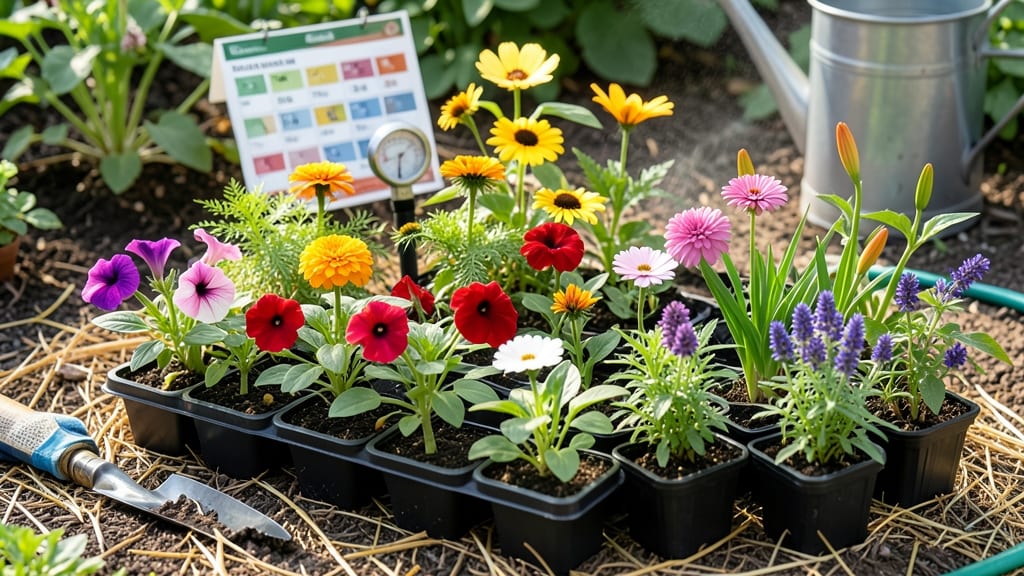
To plant flowers in Virginia, aim for mid-March to early May for spring blooms and September to October for fall varieties—timing this right means the difference between a garden that thrives and one that fades before summer.
Virginia’s mild winters and humid summers create the perfect growing conditions for vibrant flowers—but timing is everything. Plant too early, and a late frost will wipe out your blooms; too late, and you’ll miss peak flowering seasons.
This guide breaks down the exact planting windows for Virginia’s most popular flowers, tailored to Zones 6b-7a, so you can enjoy a garden bursting with color all year. Whether you’re sowing cool-season pansies or heat-loving zinnias, knowing your last frost date is the key to success.
Inside, you’ll find a month-by-month planting calendar, tips for adjusting to Virginia’s microclimates, and the best flowers to plant for long-lasting blooms—no guesswork required.
Virginia flower planting calendar by season: exact dates for Zones 6b-7a
Virginia’s USDA Zones 6b-7a offer a long growing season—but knowing the exact planting windows prevents frost damage and maximizes blooms. Richmond’s last frost typically arrives March 15-20, while Roanoke and Lynchburg average April 1-5.
This calendar aligns planting with Virginia’s climate quirks, like humid summers and unpredictable spring frosts.
Spring is prime for cool-season annuals and perennial transplants, while fall lets you sneak in heat-tolerant varieties before winter. Below, I’ve mapped out month-by-month deadlines for Virginia’s most beloved flowers, including bulbs, bedding plants, and native favorites that thrive in our soil.
| Season | Plant Type | Planting Window | Key Cities | Notes |
|---|---|---|---|---|
| Spring | Cool-Season Annuals | March 15–April 30 | Richmond: Mar 15 Roanoke: Apr 1 Lynchburg: Mar 25 |
Pansies, snapdragons, sweet alyssum. Use row covers for late frosts. |
| Spring | Perennials | March 1–April 15 | All zones | Coneflowers, black-eyed Susans, hostas. Amend soil with compost. |
| Spring | Bulbs | October–December (fall) or March (spring) | All zones | Tulips, daffodils, crocuses. Plant 6" deep in well-drained soil. |
| Summer | Heat-Loving Annuals | May 1–June 15 | All zones | Marigolds, zinnias, sunflowers. Mulch to retain moisture. |
| Fall | Cool-Season Annuals | August 15–September 30 | Richmond: Sep 15 Roanoke: Sep 1 Lynchburg: Sep 10 |
Mums, asters, calendulas. Plant 6–8 weeks before first frost. |
| Fall | Perennials | September 1–October 15 | All zones | Daylilies, salvia, Russian sage. Divide overgrown clumps in early fall. |
For spring planting, I recommend starting cool-season annuals like pansies and violas indoors by February 15 to give them a head start. Harden them off and transplant after your local last frost date.
In Zone 7a, this might be as late as April 10, so don’t rush—wait for soil temps to hit 50°F.
Summer heat means direct-sown seeds like zinnias and cosmos should go in after May 15 to avoid bolting. Transplants of heat-tolerant flowers (e.g., portulaca, lantana) can handle the 90°F+ days if planted with morning shade
Best flowers to plant in Virginia by bloom time: fastest to longest season
Virginia’s gardeners know that not all flowers bloom for the same duration—some flash bright colors for just a few weeks, while others reward you with months of vibrant displays. If you’re craving immediate color, short-season bloomers like pansies or snapdragons deliver fast results.
For long-lasting beauty, perennials like black-eyed Susans or coneflowers keep your garden thriving from summer into fall.
Choosing the right flowers for your bloom timeline means balancing planting windows with Virginia’s climate. Cool-season flowers like calendulas and stocks thrive in early spring and fall, while heat-tolerant zinnias and marigolds take center stage in summer’s sweltering months.
Native Virginia varieties, such as Virginia bluebells or wild columbine, often require less maintenance and align perfectly with local bloom cycles.
🌱 Virginia Bloom Timeline: Fastest to Longest Season
- 🌸 Fastest Bloomers (3-6 Weeks): Pansies (plant September-October or March-April), Sweet Alyssum (sow February-March or August-September), Calendula (direct sow March-April or September). Ideal for spring color or fall containers.
- 🌺 Mid-Season Bloomers (6-10 Weeks): Zinnias (plant May-June after frost), Marigolds (sow April-May), Snapdragons (start indoors March or sow April). Perfect for summer heat and pollinator gardens.
- 🌻 Long-Season Bloomers (10+ Weeks): Black-Eyed Susans (plant spring or fall), Coneflowers (sow April-May or September), Daylilies (transplant spring or fall). Native varieties like Virginia bluebells bloom spring to early summer with minimal care.
- 🍂 Fall-Foliage Pairings: Mums (plant August-September), Asters (sow April-May or August), Goldenrod (native perennial, low-maintenance). These extend color into October-November.
For spring color, prioritize cool-season annuals like pansies or stocks, which bloom within 3-4 weeks of planting. These thrive in Virginia’s March-April windows but may struggle in summer heat. To maximize their lifespan, pair them with shade-loving perennials like hostas or heucheras.
Summer gardens demand heat-tolerant varieties like zinnias or lantana, which bloom prolifically from June through September. These drought-resistant flowers require minimal water once established, making them ideal for Virginia’s humid summers.
For a low-maintenance approach, opt for native Virginia flowers like wild bergamot or butterfly weed, which attract pollinators and thrive in poor soil.
Extend your bloom season into fall with mums, asters, or goldenrod. These flowers not only add color but also pair beautifully with fall foliage. Plant mums in August-September for late-season blooms, and choose tuberous varieties for longer displays.
Native Virginia sweetspire offers both fragrant flowers and stunning fall foliage, making it a dual-purpose powerhouse.
Pro tip: Use mulch to protect fall-blooming perennials from early frosts, and deadhead spent blooms to encourage reblooming. With the right mix of fast bloomers, mid-season stars, and long-lasting perennials, your Virginia garden can stay vibrant from spring through frost—with minimal effort.