
Companion Plants
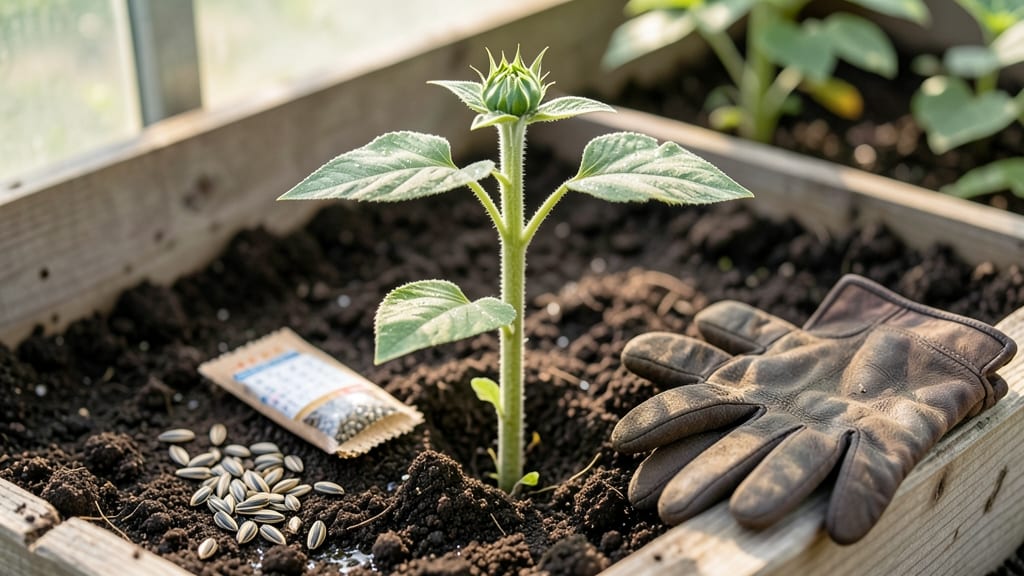
Planting sunflower seeds in Pennsylvania after the last frost date—typically mid-April to early June—sets you up for vibrant blooms and a bountiful harvest by fall.
Sunflowers aren’t just beautiful—they’re one of the easiest plants to grow in Pennsylvania, but timing is everything. Plant too early, and frost will kill your seedlings; too late, and you’ll miss the summer blooms that attract pollinators and add vibrant color to your garden.
In USDA Zones 5b-7a, the key is waiting until the soil warms to at least 50°F—a rule that keeps roots happy and germination steady. Whether you’re direct-sowing or starting indoors, knowing your zone’s last frost date is the first step to success.
Below, I’ll break down the exact planting windows for your region, soil prep tips, and how to extend the season for a second crop—so you can enjoy those towering 🌻 faces from summer through early fall.
Pennsylvania sunflower planting dates by USDA Zone 6B/7A: exact frost-free deadlines
Sunflowers thrive in Pennsylvania's climate, but getting the timing right ensures robust growth and stunning summer blooms. In USDA Zone 6B (average last frost: April 20), you have a slightly shorter window than Zone 7A (average last frost: April 15).
Missing these deadlines risks seedlings being nipped by frost or blooms arriving too late for full enjoyment.
For most sunflower varieties, which take 60-120 days to mature, the ideal planting window in Pennsylvania is mid-April through early June. This ensures flowers bloom between late July and October, just before the first frost.
The key is planting when soil temperatures reach 55°F (13°C)—cold soil slows germination and weakens seedlings.
Here’s your precise planting timeline for Pennsylvania sunflowers, broken down by zone:
| Zone | Last Frost Date | Best Planting Window | Soil Temp Requirement | Harvest Window |
|---|---|---|---|---|
| 6B (e.g., Harrisburg, State College) | April 20 | April 25 – June 10 | 55°F (13°C) minimum | Late July – October 5 |
| 7A (e.g., Philadelphia, Pittsburgh) | April 15 | April 20 – June 15 | 55°F (13°C) minimum | Late July – October 10 |
Note: Adjust dates 1-2 weeks earlier for southern PA (warmer microclimates) or later for northern/northwestern PA.
Direct sowing sunflower seeds is the easiest method for Pennsylvania gardeners. Start seeds 1 inch deep and 6 inches apart—they germinate quickly (5-10 days) when soil is warm. Transplanting seedlings is less common but useful for late-starting zones or short-season varieties like 'Teddy Bear' (50-day maturity).
For a second planting, aim for late June to early July in Zone 7A or early July in Zone 6B. Choose fast-maturing varieties (60-70 days) like 'Moulin Rouge' or 'Autumn Beauty' to ensure blooms before frost. Just be prepared to provide row covers if late-season temperatures dip unexpectedly.
Soil preparation is critical. Sunflowers prefer well-draining, slightly acidic to neutral soil (pH 6.0-7.0). Amend heavy clay soils with compost or sand to improve drainage. Avoid fresh manure—it can cause bolt (premature flowering) or forking (split stems), which weakens plants.
Monitor your garden for false starts—those 50°F (10°C) nights in late April can fool you into thinking frost is past. Use a frost clock or local weather alerts to confirm the last frost date.
If seeds sprout and frost hits, cover them with row fabric or cardboard until temperatures stabilize.
Once planted, sunflowers are drought-tolerant but need consistent moisture during early growth. Water deeply 1-2 inches per week, focusing on the soil base to encourage deep root development. Mulch with straw or grass clippings to retain moisture and suppress weeds—critical in Pennsylvania’s humid summers.
Pro tip: Plant sunflowers near nitrogen-fixing plants like beans or peas to improve soil fertility naturally. Their deep roots also break up compacted soil, making your garden healthier for future plantings. With the right timing, your sunflowers will reward you with vibrant blooms and bird-friendly seeds all season long.
How to adjust sunflower planting for Pennsylvania’s microclimates and varieties
Pennsylvania’s diverse microclimates—from the humid heat of Philadelphia to the cooler mountain valleys near Pittsburgh—mean your sunflower planting strategy should vary by location. In Zone 6B (e.g., Harrisburg, Scranton), you’ll have a slightly longer growing season than Zone 7A (e.g., Philadelphia, Lancaster), so adjust your variety choices accordingly.
For Pittsburgh’s cooler springs, opt for early-maturing varieties like ‘Teddy Bear’ (50-60 days) or ‘Moulin Rouge’ (60 days), while Philadelphia’s warmer climate can handle taller varieties like ‘Russian Giant’ (120 days) or ‘Autumn Beauty’ (90-120 days).
The key is matching your last frost date with the maturity time of your chosen variety.
- Pittsburgh (Zone 6B): Plant May 1-15 for early varieties (50-60 days) to avoid fall frost. Use row covers if planting in late April.
- Philadelphia (Zone 7A): Start April 15-May 1 for taller varieties (90-120 days). Second planting by June 15 for late-summer blooms.
- Mountain Regions (Zone 5b): Delay until May 15 and choose dwarf varieties (e.g., ‘Sunspot’, 36-50 inches) for shorter seasons.
- Urban Heat Islands: Plant dwarf varieties near buildings to reduce heat stress; water deeply at soil level to prevent wilting.
- Second Planting Tip: For a fall harvest, sow short-day varieties (e.g., ‘ProCut’) by July 1 in warmer zones (7A).
If you’re in a warmer microclimate like Lancaster County, you can push the envelope with second plantings in early July. Choose short-day varieties like ‘ProCut’ or ‘Mammoth’ (80-100 days) to ensure they mature before the first frost.
For cooler areas, focus on one planting of early varieties and prioritize soil warmth—use black plastic mulch to speed up germination.
Another trick for urban gardeners is selecting dwarf or semi-dwarf varieties like ‘Sunspot’ or ‘Autumn Beauty’. These thrive in containers or small spaces and handle heat reflections from buildings better than giants. Always stake taller varieties in windy areas—even a gentle breeze can snap stems in Pennsylvania’s variable weather.
For extended harvests, interplant early and late varieties. For example, sow ‘Teddy Bear’ (early) in May and ‘Russian Giant’ (late) in early June. This staggering ensures continuous blooms from July through September, giving pollinators like bees and butterflies a longer buffet.
Just remember: thin seedlings to 12-24 inches apart to avoid competition for nutrients.
Finally, don’t overlook soil preparation—especially in heavy clay soils common in central PA. Amend with compost or sand to improve drainage, and add a balanced fertilizer (10-10-10) at planting. In sandy soils (like parts of Erie County), water more frequently to prevent drought stress in young plants.