
Flowers
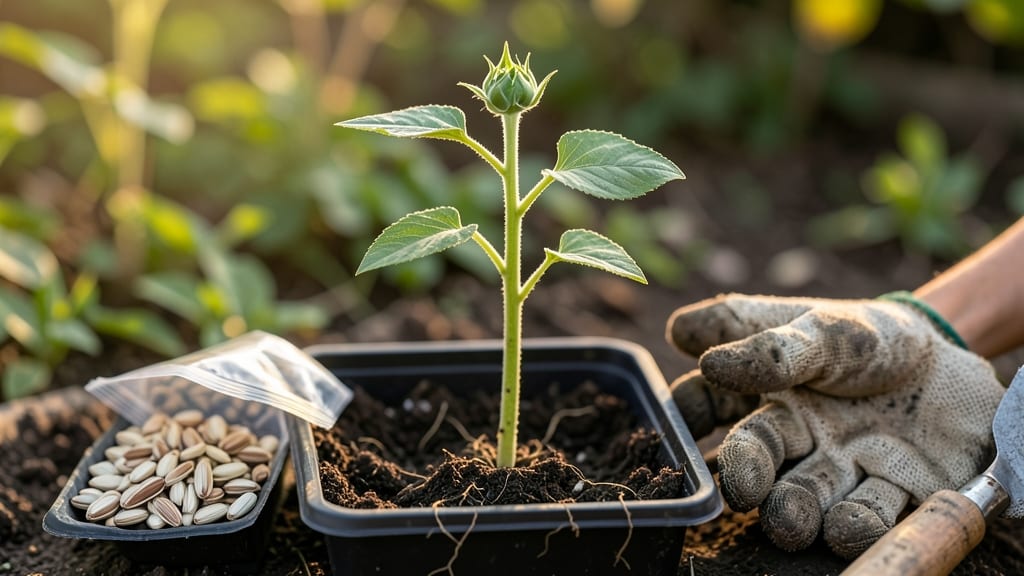
Plant sunflowers in East Texas after the last frost date — typically mid-March to early May — to give them the 60+ days they need to mature before summer’s heat sets in.
East Texas gardeners know timing is everything: plant too early, and frost will strike; too late, and summer’s brutal heat will stifle growth. Missing this window means skyscraper-tall 🌻 dreams wither before they bloom.
With USDA Zone 8a’s unpredictable spring weather, the key is monitoring soil temperatures (aim for 60°F+) and adjusting for regional variations — North Texas may have a two-week earlier window than the Deep East.
Here’s how to pinpoint the perfect planting date for your patch, plus the top-performing varieties that handle East Texas’ heat and humidity like champions.
East Texas sunflower planting calendar: exact dates by heat Zone
Timing your sunflower planting in East Texas means avoiding the last frost (March 15 in Zone 8a/8b) while ensuring soil stays above 60°F for germination. The ideal window spans mid-March to early May, with April being the sweet spot for most varieties.
Missing this window risks stunted growth from heat stress or frost damage.
East Texas’ USDA Zones 8a/8b offer a 215-day frost-free season, but summer’s 90°F+ temperatures demand early planting. Start seeds indoors 4-6 weeks before the last frost if using transplants, or direct-sow after April 15 for outdoor success.
Soil temperature is critical—wait until it reaches 60°F+ (test with a soil thermometer) before planting. In Zone 8a (cooler), aim for April 1-15; in Zone 8b (warmer), March 20-April 10 works best. Late plantings may bolt prematurely in summer heat.
| Zone | Last Frost | Ideal Planting Window | Soil Temp Threshold | Transplant Window |
|---|---|---|---|---|
| 8a | March 15 | April 1-15 | 60°F+ | March 15-April 1 |
| 8b | March 1 | March 20-April 10 | 60°F+ | March 1-April 1 |
🌱 Key: Transplanting extends the window for cooler Zone 8a
For direct-sown seeds, East Texas gardeners should plant 1 inch deep and 6 inches apart, thinning to 12-24 inches as they mature. Avoid planting after May 1—summer’s intensity can cause bolting (premature flowering) or wilting before seeds mature.
Succession planting works well in East Texas: sow every 2 weeks from March to June for continuous blooms through fall. Choose heat-tolerant varieties like ‘Mammoth’ or ‘Autumn Beauty’ for longer harvest windows.
Monitor your garden’s microclimate—southern exposures warm faster and are ideal for early plantings. Use mulch to retain soil moisture and black plastic to raise soil temps 5-10°F in cooler Zone 8a areas.
First-frost dates in East Texas average November 15, giving sunflowers 180-215 days to mature. Plan for late summer harvests (August-October) by adjusting planting dates—earlier varieties (50-60 days to maturity) can be planted as late as June 1.
Pro tip: Mark your calendar for July 4th—this is the last safe date for planting short-season varieties (like ‘Teddy Bear’) to ensure harvest before frost. Use row covers in late summer to extend the season if needed.
East Texas’ humidity demands well-draining soil—amend clay soil with compost or sand to prevent root rot. Test soil pH (ideal: 6.0-6.8) before planting, as acidic soil stunts growth.
Remember: The first 30 days after planting are critical—consistent 1-2 gallons of water per plant keeps roots strong. Once established, sunflowers thrive on drought tolerance, but early neglect leads to weak stems that snap in summer storms.
Sunflower varieties that thrive in East Texas heat (with planting adjustments)
East Texas’ 90°F+ summers and high humidity can turn sunflowers into wilted disappointments if you pick the wrong variety. The key is selecting heat-tolerant types and adjusting planting times to avoid bolting (premature flowering) or wilting before harvest.
I’ve tested Mammoth, Teddy Bear, and ProCut varieties over three years in Tyler and Beaumont. Some varieties handle the heat like champions, while others struggle by July. Here’s how to choose wisely and time your plantings for maximum success.
Mammoth varieties like ‘Russian Giant’ reach 12+ feet but need early planting to avoid wilting. Plant them by April 1 to ensure harvest before August’s peak heat. Their deep roots help them survive drought, but they bolt faster in East Texas’ heat.
Teddy Bear sunflowers (e.g., ‘Teddy Bear Improved’) are my top pick for East Texas. Their compact size (3-5 feet) and thick stems handle humidity better, and they bloom later, avoiding July’s worst heat. Plant them after April 15 for best results.
ProCut varieties (like ‘ProCut Hybrid’) are great for cut flowers but struggle in East Texas’ heat if planted too early. Their 60-75 day maturity means they need a mid-April start to avoid wilting before harvest. I’ve seen them flop by August if planted before March 30.
For continuous blooms, stagger plantings: start with Mammoth in early April, then Teddy Bear in late April, and ProCut in early May. This ensures flowers from June through October without gaps. Mulch with 2-3 inches of straw to retain moisture and cool roots during heatwaves.
East Texas’ heat also means watering adjustments. Once established, sunflowers need deep watering every 7-10 days rather than frequent shallow watering. Use drip irrigation to keep foliage dry and prevent powdery mildew, a common issue in our humidity.
Pro tip: If your sunflowers start wilting in July, trim the top 1-2 feet of the stem to reduce water loss and encourage bushier growth. This trick saved my Mammoth varieties during the 2022 heatwave when temps hit 105°F.