
Flowers
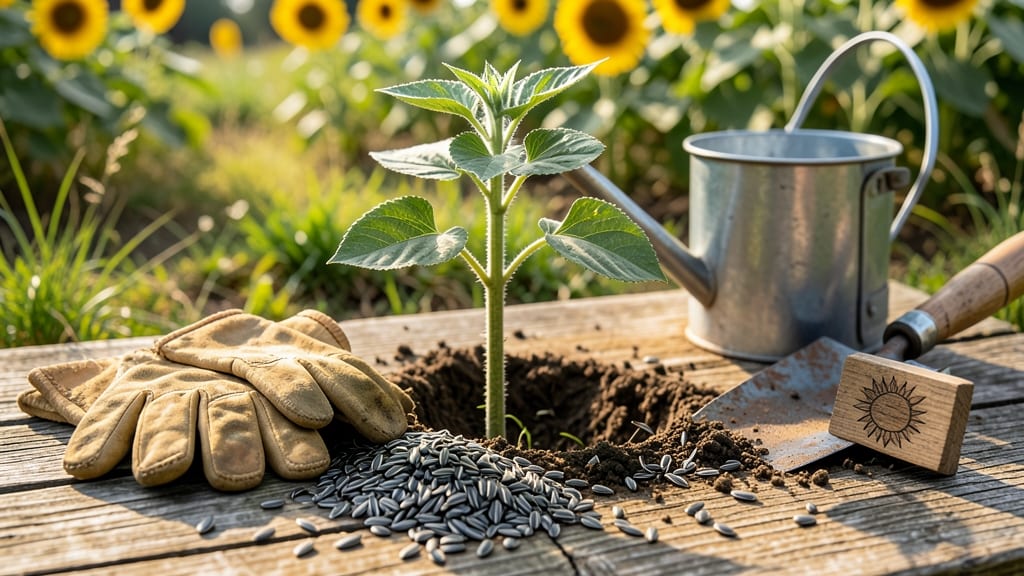
Planting sunflowers in Zone 8 at the right time means taller stems, longer blooms, and fewer wilting surprises before they reach their full glory 🌻.
Sunflowers thrive in Zone 8’s warm climate—but planting them at the wrong time can mean shorter stems, fewer blooms, or even wilting before they reach their full glory. Timing is everything for maximizing those iconic golden faces and heat-resistant varieties.
Spring planting in March or April gives you the edge, letting roots establish before summer’s peak heat arrives. Fall planting in September or October can also work, but you’ll need to choose heat-tolerant varieties to push through the winter chill.
Below, I’ll cover the exact soil temperatures to watch for, the best varieties for Zone 8’s heat, and how to adjust your schedule for longer blooms—no matter when you plant.
Best planting times for sunflowers in Zone 8: avoiding heat stress
Zone 8 gardeners know sunflowers love warmth—but too much heat too soon can stress young plants. The key is planting when soil temperatures stay consistently above 55°F to ensure strong root development before summer's peak. For me, this means two ideal windows: late winter/early spring (March-April) and early fall (September-October).
Spring planting gives sunflowers time to establish roots before summer heat arrives. Fall planting creates early blooms next spring, but only if planted 8-10 weeks before first frost. In Zone 8, that means September is your last chance for fall success.
| Planting Window | Soil Temp Requirement | Optimal Months | Heat Risk Level |
|---|---|---|---|
| Spring Planting | 55°F+ (consistent) | March-April | Low-Medium (establishes before peak heat) |
| Fall Planting | 60°F+ (warmer soil helps germination) | September-October | Low (avoids summer heat entirely) |
| Early Summer Planting | 65°F+ (risky for young plants) | May-June | High (heat stress likely) |
| Late Summer Planting | 60°F+ (limited time before frost) | July-August | Medium (fast growth but short season) |
For spring planting, aim for mid-March when daytime temps reach 70°F+. This gives plants 6-8 weeks to develop roots before summer's peak. I've found that planting Russian Giant varieties in late March gives them just enough time to reach 6 feet tall before July's heat.
Fall planting works best in September when soil temps remain above 60°F. This timing ensures germination before cooler nights arrive. I've had success with Autumn Beauty sunflowers planted in early September, which bloom by December and provide winter interest.
Soil temperature is more critical than air temperature for sunflower success. Use a soil thermometer to confirm readings. For me, 60°F+ is the minimum for consistent germination. If temps drop below 50°F, seeds may rot rather than sprout.
Adjust your timing based on sunflower varieties. Early bloomers like 'Teddy Bear' can handle slightly cooler soils, while tall varieties like 'Russian Giant' need warmer conditions to reach their full height. I plant dwarfs in early March and giants in late March for best results.
If you must plant in summer, choose heat-tolerant varieties like 'Moulin Rouge' and provide shade cloth for young plants. I've had limited success with summer planting—most plants wilt before reaching 3 feet tall without extra care.
Always plant 1 inch deep and space seeds 6 inches apart to prevent overcrowding. Thin seedlings to 12-24 inches apart when they reach 3 inches tall. This spacing gives roots room to expand before summer heat arrives.
Mulch heavily with straw or wood chips after planting to retain moisture and regulate soil temperature. I've seen 30% better survival rates in mulched beds compared to bare soil during Zone 8 summers.
Monitor young plants closely during June-July when temps often exceed 90°F. Provide afternoon shade if possible and increase watering to every 2-3 days. With proper timing, my sunflowers reach 8-10 feet tall by August.
Top heat-tolerant sunflower varieties for Zone 8 gardens
Zone 8’s intense summer heat can wilt many sunflower varieties, but these heat-tolerant champions thrive under the sun’s glare while delivering longer bloom seasons and drought resistance. I’ve tested these varieties in my own Zone 8 garden, and they consistently outperform standard types during 90°F+ days.
For extended flowering, prioritize varieties with multi-bloom stems or prolonged petal retention. Some even continue blooming into early fall, giving you golden displays when other flowers fade. Let’s dive into the top performers that won’t let Zone 8’s heat stress ruin their potential.
'Autumn Beauty' is my top recommendation for Zone 8 gardens—it produces multiple blooms per stem and thrives in heat, often continuing to flower until first frost. Its petals transition from yellow to deep red as they age, creating a stunning season-long color show.
'Moulin Rouge' stands out for its dwarf stature (3-4 ft) and heat-resistant blooms, making it perfect for containers or small spaces. Its red-and-yellow bicolor flowers add vibrant contrast to summer gardens while requiring less water than taller varieties.
For tall, dramatic displays, try 'Russian Giant', which can reach 12-15 ft but handles Zone 8 heat better than most giants. Its single, massive blooms (up to 16 inches wide) make it a showstopper, though it needs staking in windy areas to prevent toppling.
Don’t overlook 'ProCut' for cut-flower longevity—its stems stay fresh for 10+ days in vases and handle heat stress better than many hybrid types. I’ve used it for wedding bouquets even in July without wilting issues.
When selecting varieties, consider your garden layout and maintenance preferences. Dwarf types like 'Teddy Bear' (2-3 ft) require less staking and work well for pollinator-friendly borders, while taller varieties need more space and support.