
Flowers
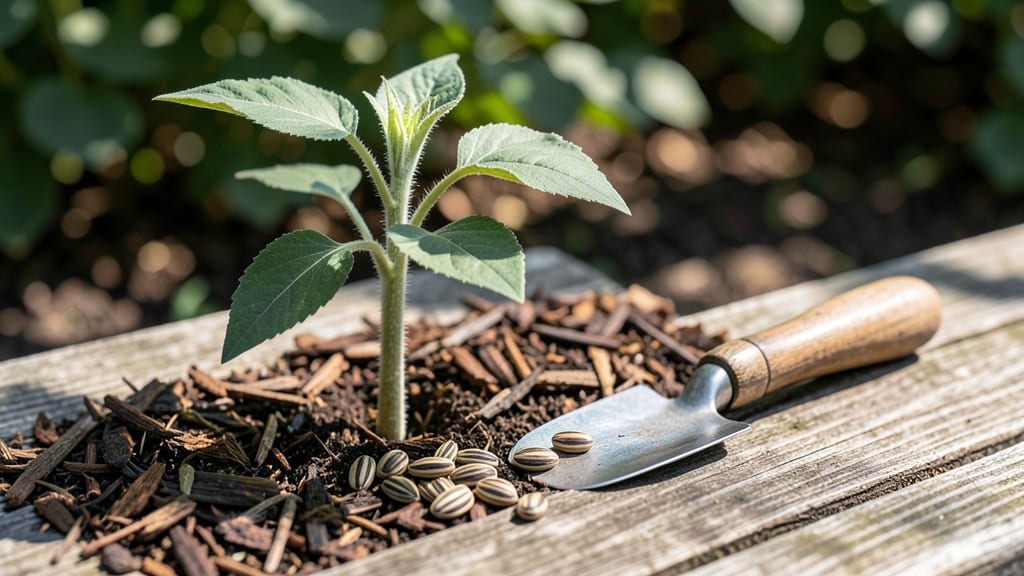
Planting sunflowers in Georgia between mid-March and early July gives them the best shot at thriving in your 7b-8b climate—just don’t wait too long, or you’ll miss the sweet spot for those towering 🌻 blooms.
Georgia’s warm climate and long growing season make it a sunflower lover’s paradise—but planting at the wrong time can leave you with wilted dreams instead of towering blooms. Timing is everything, and knowing your county’s frost-free zone could mean the difference between a thriving sunflower patch and a failed experiment.
North Georgia’s cooler springs (think USDA 7b) need seeds in the ground by early April, while South Georgia’s earlier frost-free dates (as early as late February) let you start sooner.
The key? Avoid late frosts that can nip seedlings, and don’t plant too late—sunflowers need 60-120 days to mature before fall’s chill sets in.
Below, I’ll break down the exact planting windows by region, how to prep your soil for Georgia’s heat, and the best varieties to pick for your microclimate—so you can go from seed to 16-foot giants without a hitch.
Georgia’s frost-free dates by county heat zones: best planting windows for sunflowers
Sunflowers thrive in Georgia’s long growing season, but timing your planting windows correctly ensures robust growth. The state spans USDA zones 7a-8b, with frost-free dates varying dramatically from North Georgia’s cooler hills to South Georgia’s sweltering plains.
Planting too early risks frost damage, while late planting may yield stunted blooms before winter’s chill.
Georgia’s frost-free dates typically range from mid-March in South Georgia to late April in North Georgia’s higher elevations. Sunflowers need warm soil temperatures (60°F+) to germinate, so waiting until after your county’s last frost date is critical.
For example, Atlanta’s metro area (USDA 7b-8a) usually sees its last frost around March 15, while Savannah (USDA 8b) can plant as early as February 15.
Below is a county-specific planting guide tailored to Georgia’s 8 primary heat zones. Use this as your reference to determine the best early spring vs. late spring planting windows for sunflowers in your area.
| Heat Zone | County Examples | Last Frost Date | Ideal Planting Window | Microclimate Adjustments |
|---|---|---|---|---|
| 7a (Coolest) | Floyd, Murray, Habersham | April 15-May 1 | Late April to early June | Wait for soil >60°F; use row covers |
| 7b | Atlanta, Athens, Gainesville | March 15-April 1 | Mid-March to mid-June | Plant south-facing slopes first |
| 8a | Columbus, Macon, Augusta | March 1-February 28 | Late February to early July | Early varieties for Feb planting |
| 8b (Warmest) | Savannah, Brunswick, Waycross | February 15-March 1 | January 15 to mid-July | Shade cloth for summer heat |
🌱 Note: Adjust planting dates 2-3 weeks earlier for southern exposures or urban heat islands.
For North Georgia gardeners (USDA 7a-7b), focus on late April to early June plantings to avoid late frosts. In these cooler zones, consider dwarf varieties like 'Teddy Bear' (3-4 ft tall) which mature faster and handle shorter seasons better.
Use black plastic mulch to warm soil and extend your planting window by 2-3 weeks.
In Central Georgia (USDA 8a), you have more flexibility with two planting windows: early spring (March) and late spring (June). The June planting is ideal for fall-blooming varieties like 'Autumn Beauty,' which thrives in Georgia’s summer heat before producing stunning autumn blooms.
Space your June plantings 12 inches apart to prevent overcrowding as they grow taller.
Southern Georgia’s USDA 8b zone offers the longest growing season, allowing for January plantings in microclimates like Savannah. However, be cautious of summer heat stress—provide 30% shade cloth during peak July-August temperatures to protect delicate seedlings.
For container growing, use 5-gallon pots with well-draining soil to prevent root rot in the humid coastal climate.
Microclimates play a huge role in Georgia’s gardening success. If you live in a valley or low-lying area, expect frost to retreat 1-2 weeks earlier than higher elevations. Conversely, mountain slopes may hold frost longer. Test your soil temperature with
How to choose the perfect sunflower variety for Georgia’s climate
Georgia’s heat and humidity demand sunflower varieties that can handle 90°F+ temperatures and high humidity without wilting. The wrong choice means drooping blooms or disease-prone stalks, so picking the right type is critical.
Whether you want 16-foot giants for shade or dwarf varieties for containers, each type thrives best in different Georgia regions.
North Georgia’s cooler springs (USDA 7b) favor disease-resistant varieties that tolerate late frosts, while South Georgia’s hotter climate (USDA 8a-8b) needs heat-tolerant, drought-resistant types. Below, I’ve compared the best sunflower types for your microclimate, including bloom times and care tips tailored to Georgia’s conditions.
| Variety Type | Best For Georgia Region | Height Range | Bloom Time | Drought Tolerance | Disease Resistance |
|---|---|---|---|---|---|
| Giant (Standard) | North GA (cooler), late spring | 6-16 ft | 80-120 days | Moderate | High (rust-resistant) |
| Dwarf | South GA (hotter), containers | 1-3 ft | 50-70 days | High | Moderate |
| Oilseed | All regions (early planting) | 3-8 ft | 60-90 days | Very High | High |
| Semi-Dwarf | Transition zones (Atlanta area) | 3-6 ft | 70-100 days | Moderate-High | High |
For North Georgia, prioritize ‘Moulin Rouge’ or ‘Russian Giant’—both reach 12+ feet and bloom late summer, giving them time to mature before fall frosts.
These varieties also resist powdery mildew, a common issue in Georgia’s humid springs. Plant them in well-draining soil with morning sun to avoid fungal risks.
In South Georgia, where temperatures hit 100°F by July, ‘Teddy Bear’ or ‘Little Becka’ dwarf varieties shine. Their 1-3 foot stature makes them perfect for container gardens or cutting flowers, and they bloom in 60 days, escaping the worst heat.
Mulch heavily to retain moisture—these types wilt fast in dry spells.
If you’re in transition zones like Atlanta or Macon, ‘Autumn Beauty’ (semi-dwarf) strikes the balance—5-foot stalks with multi-colored blooms that thrive in 75-90°F ranges. For drought-prone areas, mix in oilseed varieties like ‘Sunize HAS’, which produce edible seeds and tolerate low water better than ornamental types.
Pro tip: Always plant after your last frost date (typically mid-March in North GA, late February in South GA) and space seeds 6 inches apart for airflow. Georgia’s heat can turn sunflowers into fungal magnets—so avoid overhead watering and deadhead spent blooms to encourage reblooming.
With the right variety, your Georgia garden will burst with 🌻 from summer through fall—just don’t wait until July to plant those giants! 🌡️