
Plants
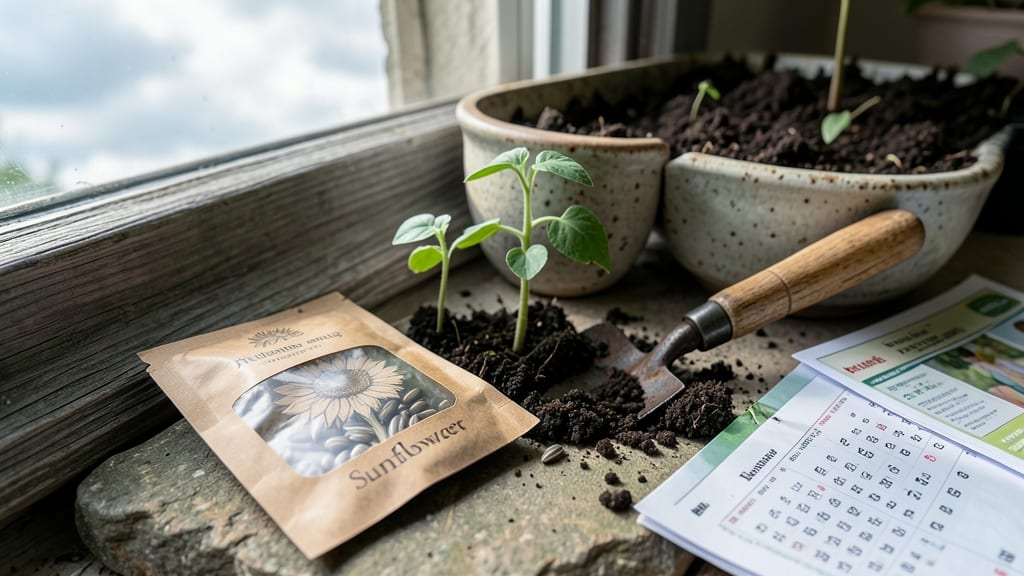
Planting sunflower seeds in Missouri after the last frost date — typically mid-April to late June — sets you up for towering blooms and a bountiful harvest.
Missouri’s warm summers and fertile soil make it an ideal place to grow sunflowers—but planting at the wrong time can mean wilted dreams instead of towering blooms.
Timing is everything, and knowing the perfect window for sunflower seeds in Missouri can mean the difference between a thriving garden and a failed attempt.
Whether you’re in St. Louis, Kansas City, or rural areas, the key is waiting until the soil warms to at least 50°F and the frost risk fades. This ensures strong germination and healthy growth before summer’s heat kicks in.
In this guide, you’ll discover the best planting windows by region, top sunflower varieties for Missouri’s climate, and pro tips to keep your 🌻 thriving—no matter what the weather throws your way.
Missouri’s last frost dates & best sunflower planting windows by region
Missouri’s diverse climate means sunflower planting windows vary dramatically between northern and southern regions. The average last frost date ranges from early April in southern Missouri to mid-May in the northern hills.
For sunflowers, which thrive in warm soil and long daylight, timing is critical to avoid frost damage or bolting too early.
Sunflowers are warm-season crops that need soil temperatures above 50°F (10°C) to germinate properly. In Missouri, this typically aligns with mid-April to early May, but regional differences create distinct planting windows.
Let’s break down the best times for Missouri’s four major gardening regions: St. Louis, Kansas City, Columbia, and Springfield.
Missouri’s frost-free growing season averages 165 days, but early frosts can cut it short. Sunflowers need 70-120 days to mature, so planting too late risks immature harvests. Conversely, planting too early in cool soil leads to slow germination or rot. The key is planting after the last frost but before mid-July to ensure full maturity before fall frosts.
| Region | Avg. Last Frost | Best Planting Window | Soil Temp. for Planting | Late Planting Cutoff |
|---|---|---|---|---|
| St. Louis (USDA 6b) | April 15 | April 20 - May 15 | 55°F+ (13°C+) | July 1 |
| Kansas City (USDA 6a) | April 25 | May 1 - May 20 | 55°F+ (13°C+) | June 30 |
| Columbia (USDA 6a) | April 20 | April 25 - May 10 | 50°F+ (10°C+) | July 10 |
| Springfield (USDA 6b) | April 10 | April 15 - May 5 | 52°F+ (11°C+) | June 20 |
For northern Missouri (like Kansas City), where frosts linger longer, late May is often the safest bet. In southern Missouri (St. Louis and Springfield), you can start as early as mid-April if nighttime temperatures stay above 45°F (7°C).
Always check your local almanac for microclimate variations, as urban areas like St. Louis may experience heat islands that warm soil faster.
Sunflowers planted in early spring (April) benefit from longer daylight and warmer summer temperatures, leading to taller stalks and larger blooms. However, if you miss this window, don’t despair—late spring plantings (May-June) still yield healthy sunflowers, though they may mature slightly smaller.
The trade-off is avoiding crowded gardens later in the season.
Pro tip: Use black plastic mulch to warm soil faster in cool regions like Kansas City. This can shave 1-2 weeks off your planting timeline by raising soil temperatures by 5-10°F.
For dwarf varieties, you can even push plantings into early July for fall-blooming sunflowers that brighten autumn gardens.
Missouri’s unpredictable weather means flexibility is key. If a late frost hits in May, opt for slow-bolting varieties like ‘Autumn Beauty’ or ‘Moulin Rouge,’ which tolerate cooler soils better than giant varieties. Always plant 1-2 weeks later than the average last frost date to account for weather surprises.
Finally, consider succession planting for continuous blooms. Start with early varieties in April, then add medium-maturity types in May, and finish with dwarf or late-season varieties in June. This stretches your harvest from August through October, ensuring sunflowers brighten your garden all summer long.
With Missouri’s fertile soil and generous sunlight, sunflowers can reach 10+ feet tall—but only if planted at the right time. Follow these regional guidelines, and you’ll be rewarded with vibrant blooms that turn heads (and attract pollinators!) from St. Louis to Springfield. 🌻
Top sunflower varieties for Missouri gardens & their planting timing
Missouri’s diverse climate—from the humid heat of southern regions to the cooler summers in the north—means not all sunflower varieties thrive equally.
The right variety paired with the perfect planting window ensures your sunflowers reach their full potential, whether you’re growing them for cut flowers, birdseed, or simply to enjoy their cheerful blooms.
For Missouri gardens, I recommend focusing on four main types: giant varieties for dramatic height, dwarf varieties for small spaces, oil-type sunflowers for culinary uses, and confection sunflowers for snacking. Each has unique timing needs to avoid frost damage or bolting too early in the season.
Southern Missouri’s warmer climate allows for later planting, while northern areas require earlier starts to beat the first frost. For example, Mammoth Russian sunflowers need a head start in cooler zones, whereas Autumn Beauty can handle the heat of southern summers if planted in late May.
If you’re growing sunflowers for culinary oil, prioritize oil-type varieties like Russian Giant, which thrive in Missouri’s USDA Zones 5b-6b. These varieties need consistent moisture but reward you with seeds packed with healthy fats.
For edible confection sunflowers, Autumn Beauty is a top pick—its striped petals add visual appeal while its seeds are perfect for roasting.
Dwarf varieties like Teddy Bear are perfect for urban gardens or small spaces, as they mature quickly and don’t require deep soil. Plant these in late April to June to avoid bolting before the first frost.
Their compact size also makes them ideal for container gardening, even in balconies or patios.
Pro tip: Always plant sunflower seeds 1 inch deep and space them 6 inches apart, thinning to 12-24 inches as they grow. This gives roots room to establish before Missouri’s summer heat intensifies. For the tallest varieties, consider staking or planting near a fence to prevent toppling in storms.
Missouri’s unpredictable weather means flexibility is key. If you miss the ideal planting window, don’t despair—sunflowers are resilient! Just adjust your expectations for height and bloom time, and enjoy the process of watching these cheerful giants grow. 🌻