
Flowers
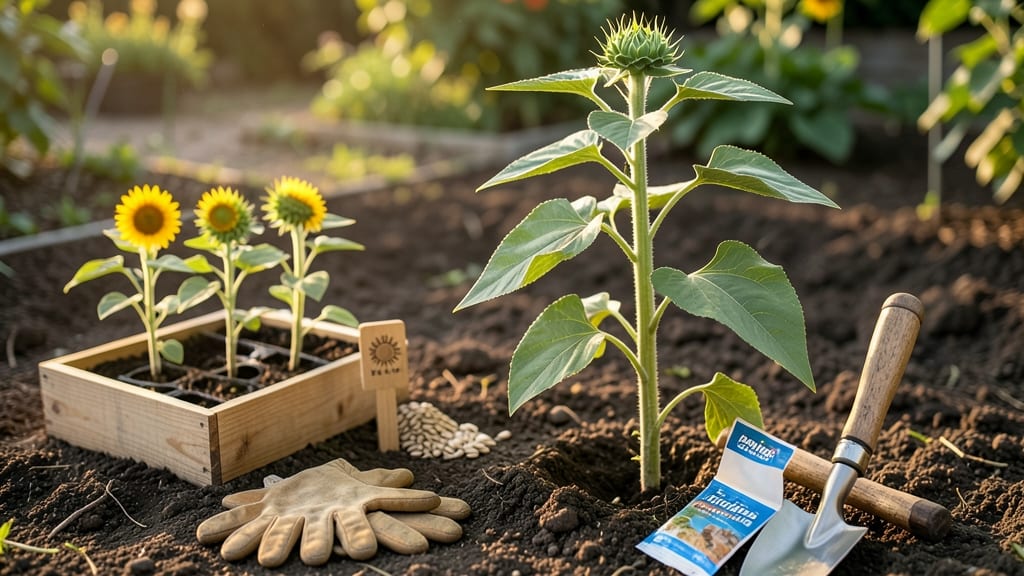
To plant sunflowers in Missouri, aim for late April to early June after the last frost—when soil temperatures hit 55°F and the air stays reliably warm.
Missouri’s warm summers and long growing season make it an ideal place for sunflowers—but planting them at the wrong time can mean wilting dreams before they even bloom.
Timing is everything, and missing the perfect window in USDA Zones 5B/6A could shorten your sunflowers’ lifespan or leave them vulnerable to frost.
Whether you’re growing towering 16-foot giants or cheerful 4-foot dwarfs, the key is aligning your planting with Missouri’s frost-free window. Direct sowing in early spring or transplanting in late May both work, but the soil must be workable and frost-free for strong starts.
Below, I break down the exact deadlines by region, how to prep Missouri’s clay-heavy soil, and when to watch for those first golden blooms—plus the one mistake that kills sunflowers faster than drought.
Missouri sunflower planting deadlines by USDA zone 5B/6A (with frost risk alerts)
Sunflowers thrive in Missouri’s USDA Zones 5B/6A, but their 165 frost-free days mean timing is critical. Plant too early, and frost will kill seedlings. Too late, and your 8-16 ft giants won’t mature before fall’s chill.
The key? Start after your average last frost date—typically April 15 in Zone 5B and April 1 in Zone 6A—but soil temperature matters just as much.
Missouri’s clay-heavy soil warms slowly, so wait until the ground reaches 55°F (13°C) at least 1 inch deep. This usually aligns with late April to early May for most regions. Direct sowing is ideal, but transplants can go in slightly earlier if started indoors.
For dwarf varieties (2-4 ft), you’ve got more flexibility, while standard giants need every warm day to reach their towering potential.
Here’s your Zone 5B/6A planting cheat sheet—including frost risk alerts and maturity timelines to ensure your sunflowers bloom before the first frost in mid-October.
| Factor | USDA Zone 5B | USDA Zone 6A | Frost Risk Alert |
|---|---|---|---|
| Last Frost Date | April 15 | April 1 | ⚠️ Wait 2 weeks after last frost |
| Ideal Planting Window | Late April–May 15 | Early April–May 10 | ❄️ Late May plantings risk stunted growth |
| Soil Temperature | 55°F+ (13°C) | 55°F+ (13°C) | 🌡️ Use a soil thermometer—cold soil delays germination |
| Direct Sowing Depth | 1 inch | 1 inch | 🌱 Plant seeds 6 inches apart, thin to 12–24 inches |
| Maturity Timeline | 70–120 days | 70–120 days | ⏰ Late July–early Oct harvest; aim for flower petals wilting |
| First Frost Risk | October 15 | October 10 | ❄️ Protect late bloomers with row covers |
| Late Planting Option | July (dwarf varieties) | July (dwarf varieties) | ☀️ Choose short-season varieties (e.g., 'Teddy Bear') |
For Zone 5B, your 10-week window (late April–May 15) is tighter due to earlier frosts.
In Zone 6A, you gain 2 extra weeks of warmth, but don’t push it—sunflowers planted after May 15 may not reach full height before fall. Pro tip: Use black plastic mulch to warm soil faster in cooler Zone 5B areas.
If you’re transplanting started seeds, begin indoors 4–6 weeks before your last frost (mid-March for Zone 6A, early April for Zone 5B). Harden off seedlings for 7–10 days before transplanting, and choose overcast days to reduce transplant shock. Direct sowing is easier and often yields
How to adjust sunflower planting for Missouri’s microclimates (city vs. rural timing)
Missouri’s diverse landscapes create microclimates that shift sunflower planting deadlines by weeks. In St. Louis, the urban heat island effect can push your planting window 2 weeks earlier than rural areas like Southeast Missouri, where cooler nights delay germination.
Elevation changes in the Ozarks also mean higher elevations (like Springfield) need later starts to avoid late spring frosts.
For St. Louis (Zone 6A), aim for mid-April starts under row covers, while Kansas City (Zone 5B) gardeners should wait until late April. Rural areas like Southeast Missouri can plant as late as early May thanks to warmer microclimates.
These adjustments maximize your 165 frost-free days and prevent stem rot from soggy spring soils.
| Region | USDA Zone | Urban Heat Impact | Optimal Planting Window | Succession Planting |
|---|---|---|---|---|
| St. Louis | 6A | +10°F nights in summer | Mid-April (under cover) or late April (direct sow) | June 15 for late blooms |
| Kansas City | 5B | +8°F nights in summer | Late April (direct sow) or early May (transplant) | June 20 for extended season |
| Southeast MO (e.g., Cape Girardeau) | 6B | +12°F nights in summer | Early April (under cover) or late April (direct) | July 1 for tropical varieties |
| Ozarks (e.g., Springfield) | 6A | +6°F nights in summer | Late April (direct sow) or early May (higher elevations) | June 10 for high-altitude areas |
For extended blooms, try succession planting every 2-3 weeks after your initial sowing. In St. Louis, this means planting again around June 15 to catch the late summer heat wave that triggers 16-foot giants.
In rural areas, you can push this to July 1 for tropical varieties like 'Moulin Rouge' that thrive in the extra warmth.