
Flowers
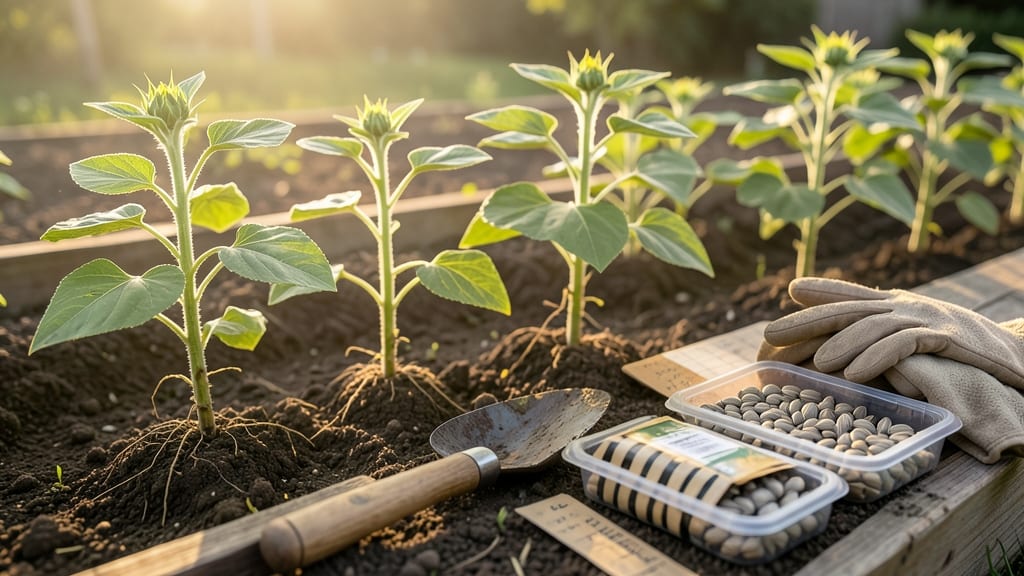
Planting sunflowers in Pennsylvania at the right time means the difference between 16-foot giants and sad, stunted stalks — and it’s all about soil warmth, not just the calendar.
You’ve probably heard “after last frost,” but that’s too vague for PA’s 5b-7a zones, where a late April freeze can still lurk in valleys while urban heat islands bake by May.
The real trigger? Soil hitting 55°F at 4 inches deep — and guessing wrong means seeds rot or sprouts bolt in the heat.
Most gardeners in PA get it right by aiming for mid-April to early June, but that’s a broad swing. A south-facing slope in Harrisburg warms weeks earlier than a frost pocket in the Poconos, and direct-sown seeds need that edge.
I’ll break down how to test your soil, adjust for microclimates, and spot the warning signs of planting too soon.
By the end, you’ll know exactly when to drop those seeds — and how to give your 🌻 sunflowers the head start they need to beat PA’s unpredictable spring.
Pennsylvania’s ideal sunflower planting window by soil temperature zones
Sunflowers thrive when planted at the right time in Pennsylvania, but the last frost date isn’t the only factor. Soil temperature plays a crucial role—seeds need consistent warmth to germinate properly.
In USDA zones 5b-7a, most of Pennsylvania experiences spring soil warmth between mid-April and early June, but exact timing varies by region. For example, Philadelphia’s urban heat warms faster than Pittsburgh’s cooler valleys, creating a 2-week planting window difference between cities.
To avoid stunted growth or frost damage, I always check soil temperature before planting. A simple soil thermometer ($10 at garden centers) reveals when your garden is ready. Sunflower seeds need at least 55°F soil for reliable germination—cold soil delays sprouting and makes seedlings vulnerable to rot.
In rural areas, like the Poconos, soil warms more slowly, so I wait until late May unless I use row covers for early starts.
Here’s the key: Pennsylvania’s planting window shifts based on microclimates. While Philadelphia gardeners can plant as early as mid-April in sunny spots, Pittsburgh’s frost pockets may need to wait until late May. Even within a city, a south-facing slope warms 1-2 weeks earlier than a north-facing yard.
This table breaks down the ideal planting times by USDA zone and soil temperature triggers to help you avoid common mistakes.
If you’re unsure about your last frost date, I recommend using the National Weather Service’s frost calendar for your specific county. For example, Philadelphia’s average last frost is April 15, but Pittsburgh’s can linger until May 1.
However, soil temperature often warms 1-2 weeks after air temperature, so don’t rush! I once planted sunflowers in early April in my Philadelphia garden and lost half the seedlings to rot because the soil was still 48°F.
For rural gardeners in zones 5b-6a, consider starter plants instead of seeds. While sunflowers can be direct-sown, seedlings give you a 2-week head start on growth. I buy dwarf varieties (like ‘Teddy Bear’) for container gardening or small spaces, as they tolerate cooler soil better than giant varieties.
Even in hot summers, these stay compact and drought-resistant once established.
One pro tip: If you’re in a high-altitude area (like the Poconos), plant black oil sunflower seeds—they germinate faster in cool soil. I’ve had success with ‘Autumn Beauty’ in zone 5b when planted in early June, even though it’s technically late.
The key is soil warmth, not the calendar date. Always water deeply after planting to encourage root growth in cooler conditions.
To test your soil readiness, bury the thermometer 2 inches deep in a shady spot (since sun heats soil faster). Check it mid-morning for accuracy. If the reading is below 50°F, wait 3-5 days and retest.
I’ve seen 10°F differences between sunny and shady spots in the same yard! For urban gardeners, pavement and buildings create heat islands that warm soil faster—plant 1-2 weeks earlier in these areas.
Remember, sunflowers are fast growers—some varieties reach 10 feet in 80 days. If you miss the spring window, you can still plant late summer seeds (July-August) for fall
Microclimate adjustments: how your yard’s unique conditions change planting time
Your Pennsylvania yard isn’t one uniform space—it’s a patchwork of microclimates where a south-facing slope in Erie warms weeks before a frost pocket in the Alleghenies. These differences can shift your sunflower planting window by 3-4 weeks, turning a risky gamble into a foolproof strategy.
I’ve seen sunflowers bolt in May because of a hot microclimate, while others in nearby valleys still huddled under frost blankets.
To get it right, start by mapping your yard’s sun exposure, wind patterns, and low spots. Urban areas like Philadelphia’s urban heat islands can be 5-10°F warmer than rural fields, while valleys in the Poconos might linger below 50°F until late May.
Adjusting your planting date by even 10 days can mean the difference between thriving 🌻 and struggling seedlings.
- 1 Plant 2 weeks earlier on south-facing slopes where soil warms faster (test with a soil thermometer).
- 2 Delay by 3 weeks in frost pockets (low areas, north-facing spots) where frost lingers until May 15.
- 3 Use row covers if planting in windy areas (e.g., near Lake Erie) to protect young sprouts.
- 4 Shift planting 1 week later in urban heat islands (e.g., Pittsburgh’s downtown) to avoid bolt risk from early heat.
- 5 Plant dwarf varieties (e.g., ‘Teddy Bear’) in high-wind zones to reduce storm damage.
Take my Lehigh Valley garden as an example: the back yard, shielded by trees, stays cooler and gets planted May 10, while the sunny front yard—where the soil hits 60°F by April 20—gets seeds in by April 25.
The result? Both batches bloom together, but the late-planted ones avoid the May heat stress that stunts early starters.
Pro tip: Test your soil at 4 inches deep with a thermometer for 3 days. If it’s below 55°F, wait—even if your neighbor’s sunflowers are already sprouting. Cold soil delays germination, and sunflowers won’t tolerate being planted too early in chilly conditions.
I once lost a batch of ‘Mammoth’ seeds because I ignored this rule in a Poconos valley—the seeds rotted before sprouting.
For wind-prone areas, like those near Lake Erie or the Delaware River, consider windbreaks or staking dwarf varieties. I’ve seen 12-foot sunflowers snapped in half by summer storms—heartbreaking after months of care!
If your yard gets consistent winds, opt for ‘Autumn Beauty’ or ‘ProCut’, which handle tougher conditions better.
Finally, don’t forget to monitor local frost forecasts. The PA State College weather station often predicts last frost dates, but your microclimate might differ. I cross-reference with Almanac data and adjust my planting by 1-2 weeks based on recent trends.
With these tweaks, your sunflowers will thrive year after year, no matter where your yard falls on PA’s climate map. 🌱