
Plants
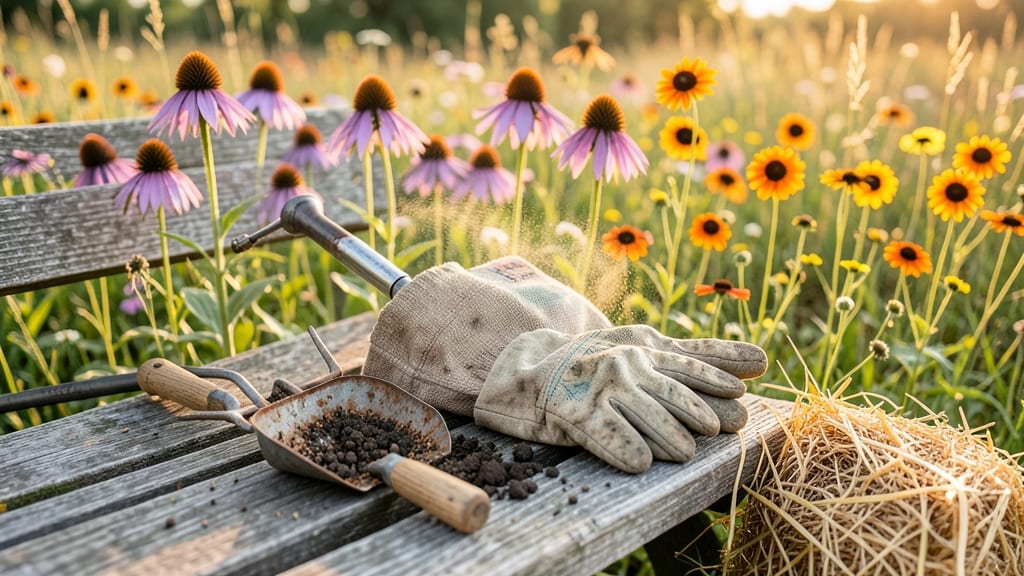
Planting wildflower seeds in Indiana during March-April or September-October gives them the best shot at thriving in your Zone 5b-6b climate.
Indiana’s wildflowers can transform your landscape into a vibrant, pollinator-friendly haven—but timing is everything. Plant too early, and frost will wipe out your efforts; too late, and you’ll miss the optimal growing window for 🌼 seeds in USDA Zone 6A.
Most gardeners assume spring is the only time to plant, but fall offers cooler soil temperatures and fewer weeds. I’ll break down the pros of each season, how to prep your soil, and which native wildflowers bloom best in Indiana’s variable climate.
By the end, you’ll know exactly when to scatter your seeds for long-lasting blooms—and how to avoid common mistakes that kill germination before it starts.
Best planting months for wildflower seeds in Indiana’s Zone 6A climate
Indiana’s Zone 6A climate offers two prime windows for planting wildflower seeds: early spring and late fall. These periods align perfectly with the soil temperature and frost-free windows that wildflowers need to thrive.
For best results, aim to plant when the ground is workable but not frozen, ensuring seeds make contact with moist, warm soil.
Spring planting typically kicks off in March or early April, right after the last average frost date of April 15th. This timing allows seeds to germinate as soil temperatures rise above 40°F.
Late fall planting, on the other hand, happens between September and October, giving seeds a head start on root growth before winter dormancy. Both strategies leverage Indiana’s microclimates, which can vary by only a few degrees across the state.
Here’s how to align your planting with Indiana’s frost dates and soil conditions for maximum success:
For early spring planting, focus on March through April when soil temperatures consistently stay above 40°F. This window ensures seeds germinate quickly before summer’s heat sets in. In northern Indiana, where frosts linger longer, wait until mid-April to avoid frost damage.
Clear any remaining snow, loosen the soil with a rake, and scatter seeds evenly to encourage even germination.
Late fall planting, from September to October, is ideal for perennial wildflowers like coneflowers and black-eyed Susans. These seeds benefit from a cool stratification period, which mimics natural conditions and breaks dormancy.
Plant at least 6–8 weeks before the first frost (typically by October 15th) to allow roots to establish before winter.
Indiana’s microclimates can create slight variations in frost dates. For example, southern Indiana may see earlier last frosts (as early as March 20th in some areas), while northern regions might delay until April 30th.
Check your local USDA frost map or consult a nearby cooperative extension office for precise timing tailored to your county.
If you’re planting in urban areas or heat islands, soil may warm up faster, allowing for earlier spring planting. Conversely, wooded or shaded areas may stay cooler longer, delaying germination. Always test soil temperature with a soil thermometer (aim for 50°F+) before planting to avoid disappointment.
One common mistake is planting too early in February, when soils are still cold and frosty. Seeds may rot or fail to germinate. Similarly, planting in November risks exposing seeds to early frosts before they establish.
Stick to the March–April or September–October windows for the best germination rates and pollinator success.
After planting, maintain light moisture in the soil until seeds sprout (usually within 10–21 days). Wildflowers are drought-tolerant once established, but young seedlings need consistent moisture to avoid stress. Mulch lightly with straw to retain moisture and suppress weeds, which can compete with your wildflowers for resources.
By aligning your planting with Indiana’s Zone 6A frost dates and soil temperature trends, you’ll set your wildflowers up for a vibrant, long-lasting display that attracts bees, butterflies, and hummingbirds all season long. 🌼
How to choose the right wildflower seed mix for Indiana’s seasonal blooms
Indiana’s native wildflowers thrive when you match seed mixes to your region’s microclimates and seasonal patterns. With USDA Zone 5b-6b conditions, selecting the right mix ensures vibrant blooms from spring through fall—even during Indiana’s unpredictable rainfall.
Many gardeners overlook how bloom timing varies by species. For example, black-eyed Susans and coneflowers (Echinacea) dominate summer, while wild bergamot and purple coneflower extend color into early fall. Choosing a mix with staggered bloom cycles guarantees year-round interest.
Here’s how to pick the perfect mix for your Indiana garden:
- 🌱 Prioritize native species like butterfly weed (Asclepias) and goldenrod—they’re adapted to Indiana’s soil and climate, requiring less water once established.
- 🌿 Check bloom seasons: Aim for a mix with spring ephemerals (e.g., bloodroot) and late-summer perennials (e.g., black-eyed Susan) to cover all seasons.
- ☀️ Opt for drought-resistant varieties like wild bergamot (Monarda) if your Indiana yard experiences variable rainfall—these thrive with minimal irrigation after germination.
- 🐝 Include pollinator favorites such as bee balm and purple coneflower to attract butterflies and bees, boosting your garden’s ecosystem.
- ✂️ Avoid mixes with invasive species like Johnson grass—stick to certified native seed blends to protect local biodiversity.
For Indiana’s clay-heavy soils, I recommend seed mixes with deep-rooted perennials like coneflowers and blazing star (Liatris). These break up compacted soil while adding vertical interest to your landscape. Always pre-soak seeds for 24 hours before planting to improve germination rates.
Pro tip: If you’re planting in full sun (6+ hours daily), choose mixes with heat-tolerant annuals like coreopsis and black-eyed Susan. For partial shade areas, opt for wild columbine or wild geranium—both thrive with 3–5 hours of sunlight.
Finally, drought-resistant mixes are ideal for Indiana’s variable rainfall. Look for blends labeled “low-water” or “xeric” to minimize maintenance. Once established, these wildflowers need only 1 inch of water per week—perfect for busy gardeners!