
Plants
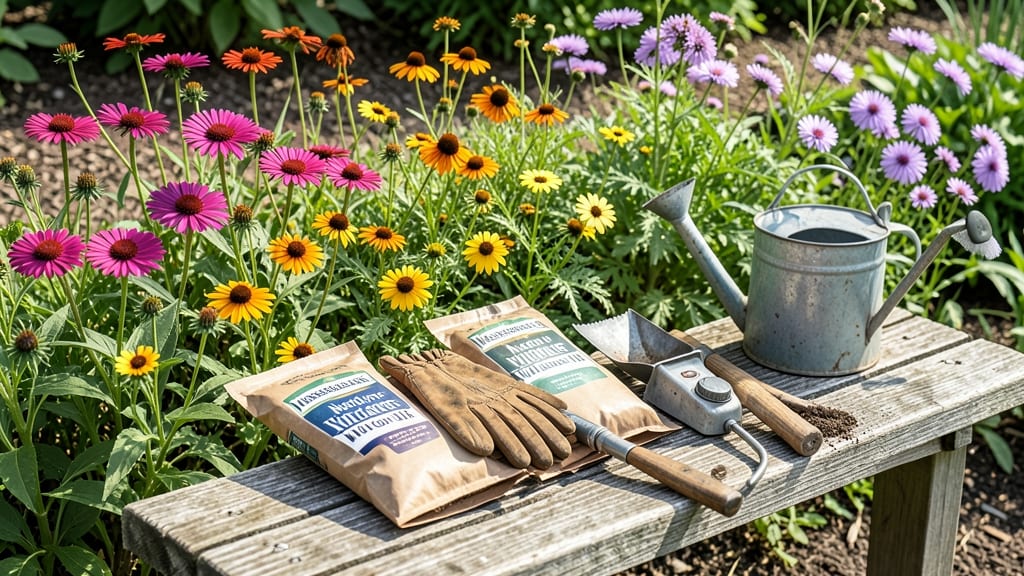
Planting wildflower seeds in Massachusetts at the right time means the difference between a thriving meadow and a missed opportunity — especially in Zone 5B/6A, where frost dates shift every year.
Timing your wildflower seeds right in Massachusetts can mean the difference between a vibrant meadow and a patchy disappointment—especially in Zone 5B/6A, where frost dates shift every year. Miss the window, and you’ll either face early freezes or summer drought stress.
Spring planting in Massachusetts works best after the last frost, typically mid-April to early May, when soil temperatures reach a consistent 50°F. But fall is the secret weapon for many gardeners, as cooler temps and moisture help seeds establish before winter.
Below, I’ll break down the exact frost-date triggers for your zone, the best native wildflowers for Massachusetts soil, and pro tips to beat New England’s unpredictable weather—so you can enjoy blooms from summer through fall.
Massachusetts frost dates and wildflower planting windows by zone 5B/6A
Massachusetts' Zone 5B/6A climate creates unique challenges for wildflower enthusiasts. The last spring frost typically arrives between April 15 and May 15, while the first fall frost often hits October 15 to November 1.
These dates vary dramatically between urban Boston and rural western MA, where microclimates can shift planting windows by weeks.
For successful wildflower establishment, timing is everything. Spring planting should occur 2-4 weeks after your last frost date when soil temperatures reach at least 50°F. Fall planting offers a second chance, ideally 6-8 weeks before first frost to allow seeds to germinate and develop roots before winter dormancy.
Here's your 2024 planting guide based on historical data and local climate trends:
| Planting Window | Zone 5B (Western MA) | Zone 6A (Eastern MA) | Microclimate Adjustments |
|---|---|---|---|
| Spring Planting | April 25-May 10 | May 1-15 | Urban areas: wait 1-2 weeks longer |
| Fall Planting | September 15-October 5 | September 20-October 10 | Rural areas: plant earlier (3-4 weeks sooner) |
| Soil Temperature | 50-60°F minimum | 50-60°F minimum | Use soil thermometer for accuracy |
| Key Wildflowers | Black-eyed Susan, Coneflower | Butterfly weed, Goldenrod | Native mixes adapt better to local conditions |
My 2024 projections suggest slightly earlier frost dates than historical averages due to recent climate patterns. For Zone 5B areas like Springfield or Pittsfield, plan to plant black-eyed Susans by May 1 for reliable blooms.
In Zone 6A regions like Boston or Cape Cod, you have until May 15 for spring planting.
Fall planting offers advantages in Massachusetts. Seeds sown in late September benefit from cool soil temperatures and reduced weed competition. For Zone 5B, aim for September 20 as your cutoff, while Zone 6A gardeners can extend until October 5.
This timing allows seeds to germinate but remain dormant through winter.
Don't overlook microclimate variations that can shift your planting window by 2-3 weeks. Urban areas like Boston experience heat island effect, delaying spring frosts by 7-10 days compared to rural western MA. Conversely, elevated areas like the Berkshires may see earlier frosts by 1-2 weeks.
For reliable results, I recommend using both spring and fall planting strategies. Start with spring planting for immediate color, then follow with fall planting to establish next year's blooms. This two-pronged approach creates continuous pollinator support from June through October.
Always monitor local forecasts in the weeks leading up to your planting window. The National Weather Service offers frost date predictions that can help you adjust timing. For 2024, I'm watching for unusually warm springs that might push frost dates back by 10-14 days in some areas.
Remember that wildflower establishment requires patience. While annuals like cosmos may bloom the first year, perennials like coneflower often take 2-3 years to reach full potential. Proper timing ensures you're not fighting against New England's unpredictable weather from day one.
🌱
Best wildflower seed varieties for Massachusetts climate and soil types
Massachusetts’ diverse soil types—from sandy coastal plains to clay-rich river valleys—and Zone 5B/6A climate create perfect conditions for native wildflowers that thrive without fuss. The key is choosing species that match your sun exposure and soil drainage.
For example, black-eyed Susans love full sun and adapt to rocky soil, while purple coneflowers tolerate partial shade and clay better.
Native wildflowers also support pollinators like bees and butterflies, which face habitat loss. Planting a seed mix (like a pollinator blend) ensures diversity, but individual species let you tailor colors and heights.
My top 5 picks for MA gardens balance beauty, resilience, and ecological benefits—no matter if you’re in Boston’s urban pockets or Western MA’s forests.
| Wildflower | Sun Needs | Soil Type | Height | Pollinator Value |
|---|---|---|---|---|
| Black-eyed Susan (Rudbeckia hirta) | Full sun | Sandy to rocky | 2–3 ft | Bees, butterflies |
| Purple Coneflower (Echinacea purpurea) | Full sun to partial shade | Clay to loam | 2–4 ft | Bees, hummingbirds |
| Butterfly Weed (Asclepias tuberosa) | Full sun | Well-draining | 1–2 ft | Monarch butterflies |
| New England Aster (Symphyotrichum novae-angliae) | Partial shade to full sun | Moist loam | 3–5 ft | Late-season bees |
| Wild Bergamot (Monarda fistulosa) | Full sun to partial shade | Sandy or clay | 2–4 ft | Bees, hummingbirds |
For sandy soils (common in Cape Cod or coastal areas), butterfly weed and black-eyed Susans excel because they tolerate poor drainage and drought once established. In clay-heavy soils (like Worcester or Springfield), purple coneflowers and wild bergamot thrive—their deep roots break up compacted soil over time.
If your garden gets partial shade (e.g., under trees), opt for New England asters or wild bergamot. These handle 3–6 hours of sun daily and still attract pollinators. For full-sun spots, mix black-eyed Susans (golden blooms) with butterfly weed (orange spikes) for a bold, low-maintenance display.
Seed mixes simplify planting but may lack local species. For example, a pollinator blend often includes coneflowers and asters, but adding butterfly weed separately ensures monarch butterflies will visit.
I’ve seen my native mix (50% coneflowers, 30% asters, 20% butterfly weed) bloom from July to October, feeding bees when other flowers fade.
Pro tip: Prep your soil in spring or fall by loosening the top 6 inches and removing weeds. Native wildflowers hate competition! After planting, water lightly for 2 weeks to encourage germination—then let them grow wild (literally).
These plants reward patience with years of color and ecological benefits far beyond annuals. 🌻