
Plants
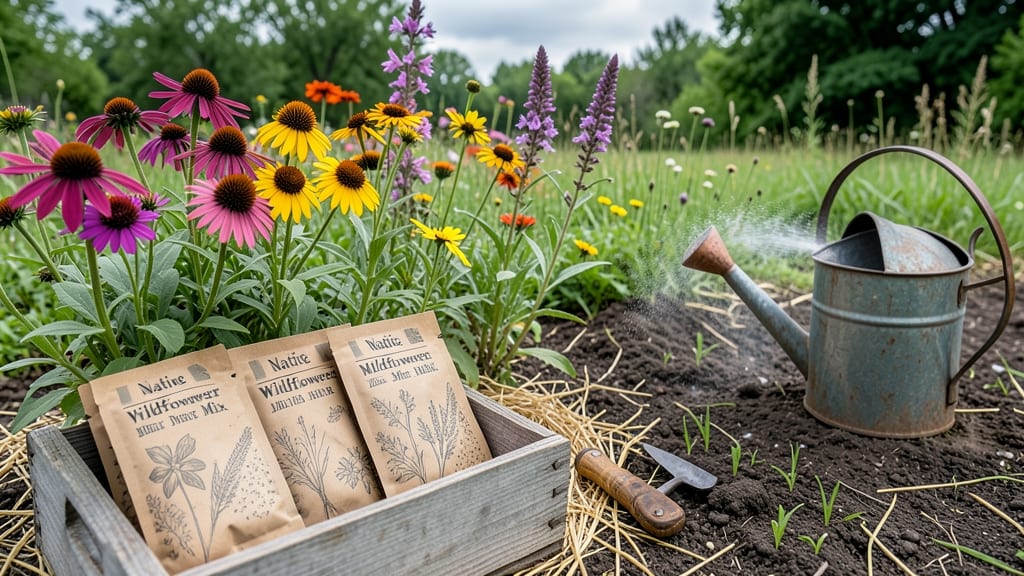
To plant wildflower seeds in New York, aim for late winter to early spring or late summer to early fall—timing that aligns with your USDA zone and local frost dates.
New York’s unpredictable climate can make or break your wildflower garden—planting at the wrong time means sparse blooms or wasted seeds. But timing it right guarantees vibrant meadows from spring to fall.
Whether you’re in Zone 5b or Zone 7b, the key is avoiding frost while giving seeds a chance to germinate before summer heat sets in. Spring planting (March–April) is ideal for most wildflowers, but fall (August–September) works too if you want a head start next year.
Below, I’ll break down the best months for your region, how to prep your soil, and which wildflower varieties thrive in New York’s diverse landscapes—so you can enjoy months of colorful blooms without the guesswork.
Best planting times for wildflowers in New York: spring vs fall comparison
New York’s diverse climate—from USDA zones 5b-7b—means wildflower planting success depends on precise timing. Whether you're in Upstate New York or New York City, aligning with frost dates and seasonal moisture is key.
Spring planting offers early blooms, while fall planting ensures strong root establishment before winter. Let’s break down the best windows for each method.
Most of New York experiences last frost dates between mid-April and early May, while first frosts arrive by mid-October. These dates create a 150-200 day growing season, perfect for wildflowers.
Spring planting (March-April) gives seeds time to germinate before summer heat, while fall planting (August-September) allows roots to grow before dormancy. Both strategies work, but your location dictates which is best.
Regional microclimates play a huge role. For example, Buffalo’s colder zone 6b benefits from earlier spring planting (late March) to avoid late frosts, while New York City’s zone 7b can handle later spring planting (early April) or even fall planting into October. Always check your local frost dates—they’re your planting calendar.
Here’s a quick comparison to help you decide which planting window suits your garden best:
Spring planting is ideal if you want immediate color and are growing warm-season wildflowers like cone flowers or black-eyed Susans. These varieties thrive when sown in March or April, giving them time to establish roots before summer’s heat.
However, spring planting requires consistent watering to prevent seeds from drying out during New York’s unpredictable spring showers.
Fall planting, on the other hand, is perfect for drought-tolerant species like asters or goldenrod. Seeds sown in late August or September germinate in early spring, avoiding the competition from weeds that often plagues spring plantings.
Fall planting also takes advantage of natural rainfall, reducing your watering workload. Plus, it’s a great way to revitalize tired garden beds with minimal effort.
For Upstate New York gardeners in zones 5b-6a, fall planting is often the safer bet due to earlier frosts. In contrast, New York City’s zone 7b offers more flexibility, allowing for both spring and fall plantings.
Always check your local frost dates—they’re your best guide. For example, Albany’s last frost is around April 20, while
How to prepare your New York garden for wildflower success
New York’s diverse ecosystems—from urban sidewalts to rural meadows—offer perfect conditions for wildflowers if you prep the soil correctly. The key is mimicking natural conditions: loose, nutrient-rich soil with good drainage.
Start by choosing a sunny spot (6+ hours of sunlight) and avoid compacted areas where seeds struggle to sprout.
Before planting, clear the area of weeds and debris. Wildflowers thrive in low-maintenance conditions, so avoid heavy tilling, which disrupts soil structure. Instead, use a broadfork to loosen the top 6 inches of soil gently. This mimics natural disturbance while preserving beneficial microbes.
In Zone 5b-6b, most wildflower seeds benefit from stratification—a cold treatment that mimics winter. For non-stratified seeds, soak them in water for 24 hours before planting. Native species like black-eyed Susan or purple coneflower often need this step for better germination rates.
- 1 Test and amend soil: Use a soil test kit to check pH (ideal: 6.0–7.0). Amend with compost or aged manure for nutrients. For urban gardens, mix in sand to improve drainage.
- 2 Choose the right location: Select a sunny, open area with minimal competition. Avoid low spots where water pools, as wildflowers hate soggy roots. NYC rooftops work well with raised beds.
- 3 Stratify seeds (if needed): Place seeds in a damp paper towel in a sealed bag and refrigerate for 2–4 weeks (e.g., coreopsis, milkweed). Skip this for pre-stratified mixes.
- 4 Scatter seeds lightly: Broadcast seeds evenly over prepared soil. Press them into the top ¼ inch with a board or rake. Avoid burying deeply—most wildflowers need light to germinate.
- 5 Add mulch (optional): Use straw or pine needles to retain moisture and suppress weeds. Keep mulch ¼ inch thick to avoid smothering sprouts. Water gently after planting to settle seeds.
For wetland-adjacent areas (like Long Island or the Adirondacks), opt for moisture-loving wildflowers like swamp milkweed or Joe-Pye weed. These thrive in 6+ inches of seasonal water but still need well-draining soil to prevent rot.
Test drainage by digging a hole—if water pools after 6 hours, amend with organic matter.
Companion planting boosts success. Pair wildflowers with clover or alfalfa to fix nitrogen in the soil. Avoid planting near invasive species like kudzu, which can outcompete your meadow. In urban gardens, use native grasses (e.g., little bluestem) as borders to deter pests.
After planting, water deeply once a week for the first month to encourage root growth. Once established, wildflowers need minimal care—just occasional mowing in late fall to remove dead growth.
With the right prep, your NY garden will burst into color by early summer, attracting pollinators and lasting for years. 🌼