
Plants
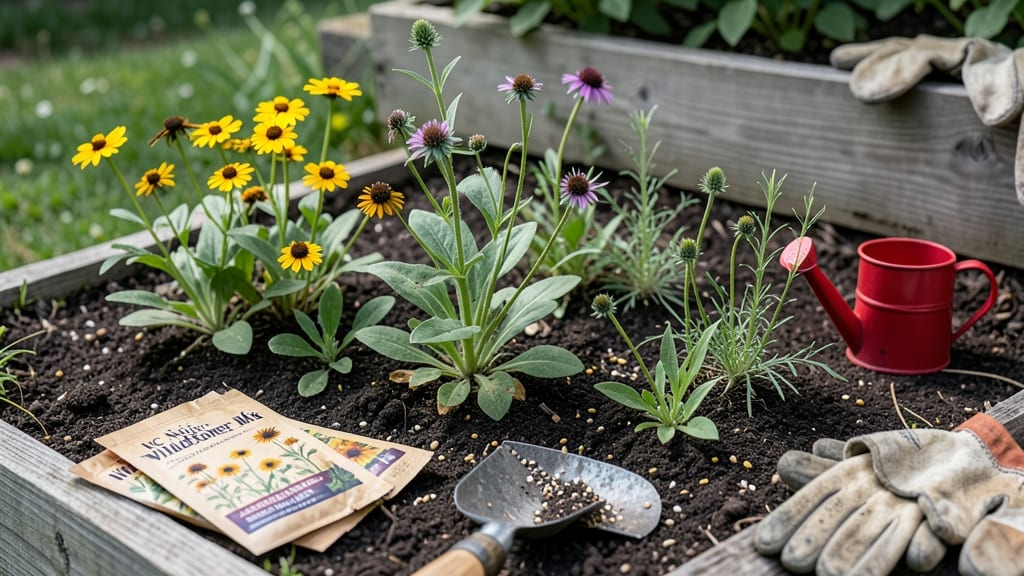
Planting wildflower seeds in NC at the right time ensures vibrant blooms from spring to fall 🌼, but the wrong schedule can leave you staring at bare soil.
North Carolina’s diverse climate—from the Coastal Plain’s humidity to the Mountain Region’s crisp air—means timing can make or break your meadow’s success. Get it wrong, and your seeds may rot before sprouting; time it right, and you’ll enjoy a year-round display of color.
Most gardeners in zones 6a–8b should aim for late winter to early spring or late summer to early fall, but the best months depend on your microclimate. Coastal areas thrive with early spring plantings, while the Piedmont and Mountains often prefer fall.
Below, I break down the ideal windows by zone, soil prep tips, and how to adjust for drought or heavy rain—so you can skip the guesswork and start your wildflower journey on the right foot.
NC wildflower planting calendar by microclimate zone (coastal, Piedmont, Mountains)
North Carolina’s three distinct microclimate zones—Coastal Plain, Piedmont, and Mountain—each demand unique timing for wildflower success. The Coastal Zone (USDA 8a-8b) enjoys mild winters and warm springs, while the Mountains (6a-7a) face earlier frosts and cooler soils.
Even the Piedmont (7a-7b) straddles these extremes, requiring precise scheduling to avoid seed loss or stunted growth.
For annual wildflowers, like Black-Eyed Susan or Cosmos, timing is critical—they thrive when planted just before the heaviest rainfall of spring or fall. Perennials, such as Purple Coneflower or Butterfly Weed, benefit from late summer planting to establish roots before winter dormancy.
Each zone’s soil temperature thresholds (50–70°F for germination) and frost dates further refine these windows.
Below is your zone-specific planting calendar, accounting for average last frost dates, rainfall peaks, and soil warmth. Use this as your guide to maximize blooms and minimize wasted seeds.
If you’re in the Coastal Zone, aim for February–March planting to capitalize on winter rains and avoid the oppressive summer heat that can dry out seeds.
My Piedmont garden thrives with late August sowings—just before the first significant rainfall of fall—giving seeds time to germinate before cooler temps set in.
For Mountain gardeners, wait until April to plant, as earlier sowings risk frost heave or seed rot in cool, wet soils.
I’ve learned the hard way that September is the sweet spot for fall planting there—seeds germinate with fall rains and establish roots before first frost (Nov 15).
Pro tip: Use a soil thermometer to confirm 50–70°F soil temps before planting. In drought-prone areas (e.g., Sandhills), water deeply after sowing to trigger germination. For heavy clay soils (common in Piedmont), amend with compost to improve drainage.
Native perenn
How soil temperature and rainfall dictate your planting success in NC
North Carolina’s wildflowers thrive when planted at the perfect intersection of soil temperature and rainfall patterns. Unlike cooler climates, NC’s 50–70°F soil range is your golden window—too cold, and seeds stall; too hot, and they dry out.
Even native species like black-eyed Susan or purple coneflower need these conditions to germinate reliably.
Rainfall plays an equally critical role. Areas like the Outer Banks with frequent showers allow spring planting as early as February, while drought-prone Sandhills demand fall planting to conserve moisture. Understanding these triggers ensures your wildflower meadow becomes a pollinator paradise instead of a failed experiment.
- 1 Soil temp threshold: Wait until soil reaches 50°F (use a soil thermometer)—spring’s ideal window is March–April for most NC zones. Cooler Mountain Region areas may need to delay until late April.
- 2 Rainfall triggers: Aim for 1–2 inches of rain in the first 2 weeks post-planting. Coastal NC benefits from natural spring rains, while Piedmont may need supplemental watering (drip irrigation works best).
- 3 Drought adjustments: In Sandhills or western NC, plant native drought-tolerant species (e.g., coreopsis) in late summer (August–September) to leverage residual soil moisture from summer storms.
- 4 Frost-free window: Plant 4–6 weeks before your area’s average last frost (e.g., March 15 for Zone 6a). Use frost cloth if late frosts threaten young seedlings.
- 5 Post-planting care: Keep soil consistently moist (not soggy) for 6–8 weeks). Mulch with straw (not wood chips) to retain moisture and suppress weeds without smothering seeds.
For Coastal NC, where humidity lingers, focus on spring planting (March) to avoid fungal diseases. In contrast, Mountain Region gardeners should prioritize late summer (August) to capitalize on cooler temps and early autumn rains.
Always check your local USDA zone—even a 5°F difference can shift your ideal planting window by weeks.
Pro tip: Use a seed starter mix for indoor sowing if your outdoor soil is still too cold. This buys you 2–4 extra weeks of growing time before transplanting. Just remember—wildflowers are resilient, but timing them right turns a maybe into a must-see meadow every season.
🌱