
Flowers
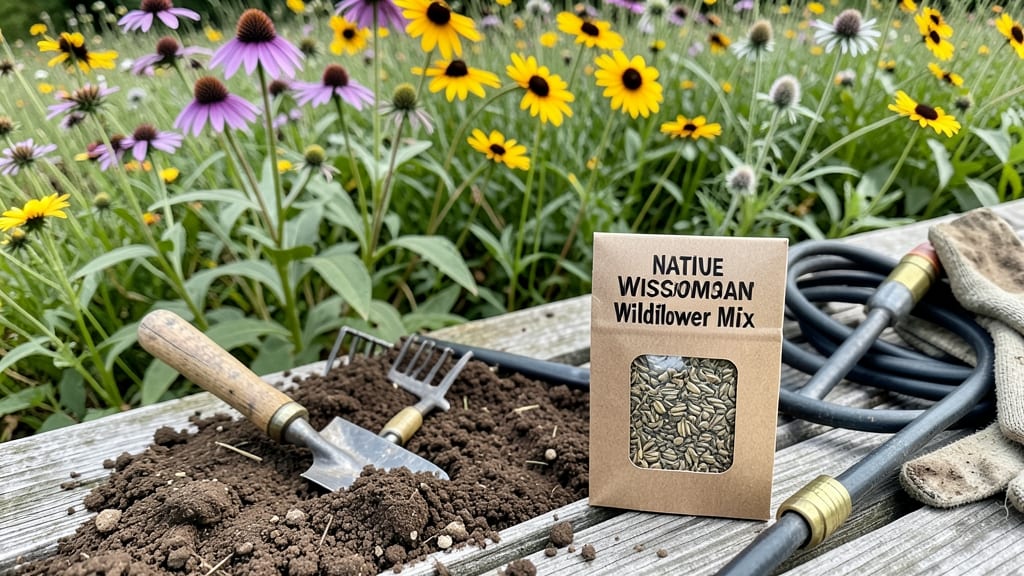
Plant wildflowers in Wisconsin between March 15 and May 15 for spring blooms or September 1 and October 15 for fall prep — timing this right means the difference between a garden that hums with pollinators and one that barely takes root.
You’ve probably heard that wildflowers are low-maintenance, but Wisconsin’s varied climate — from Zone 4a’s chilly north to Zone 6b’s milder south — means a one-size-fits-all approach won’t cut it. A late spring frost can wipe out tender seedlings, while fall plantings risk rotting before winter sets in.
Native varieties like black-eyed Susans and coneflowers thrive when planted at the right moment, but even the hardiest 🌼 need soil that’s warm enough to sprout and frost-free windows to establish roots.
Below, I’ll break down the exact months for your zone, soil prep secrets, and why fall planting often outperforms spring for perennials.
Skip the guesswork and learn how to align your planting with Wisconsin’s frost dates, rainfall patterns, and the life cycles of your favorite wildflowers — so you’re not left with bare soil when the bees should be buzzing.
Wisconsin wildflower planting timeline by USDA Zone: exact months for success
Wisconsin’s USDA zones 4a-6b create unique challenges and opportunities for wildflower enthusiasts. Unlike annuals, native perennials like coneflowers and milkweed thrive when planted at the right time, ensuring vibrant blooms for years.
Timing isn’t one-size-fits-all—northern Wisconsin’s shorter growing seasons demand earlier starts, while southern regions can extend planting into late fall. Let’s break down the exact month-by-month schedule tailored to your zone.
For Zone 4a (northern WI), where frost lingers until May 1, focus on early spring (March 15–April 15) or late summer (August 15–September 15) plantings.
In Zone 5a/5b (central WI), you’ve got flexibility with April 1–May 15 (spring) or September 1–October 1 windows. Zone 6a/6b (southern WI) gardeners can push boundaries with April 15–May 30 or even October 1–15 for fall-sown varieties like black-eyed Susans.
Here’s your zone-specific planting timeline—including when to sow seeds vs. transplant starts—for maximum bloom success:
| USDA Zone | Spring Planting Window | Fall Planting Window | Best Method | Top Native Picks |
|---|---|---|---|---|
| 4a (North) | March 15–April 15 | August 15–September 15 | Direct seed (cold-hardy) | Coneflower, Milkweed, Goldenrod |
| 5a/5b (Central) | April 1–May 15 | September 1–October 1 | Seed or transplants | Black-Eyed Susan, Phlox, Aster |
| 6a/6b (South) | April 15–May 30 | October 1–15 | Transplants preferred | Sunflower, Joe-Pye Weed, Bee Balm |
*Transplants establish faster but cost more; seeds offer greater variety and pollinator diversity.
Why does Zone 4a avoid fall planting after September 15? Late-sown seeds may not germinate before frost, leaving them vulnerable. Meanwhile, Zone 6b can push fall planting into October because soil stays warmer longer.
Pro tip: Use a soil thermometer—seeds need 40–60°F soil temps to germinate, even in spring.
For transplants, time it so roots establish before summer heat or winter freeze.
In Zone 5a, aim for May 1 transplants; in Zone 6b, April 30 works. Seed packets often list days to germination—factor in your last frost date (e.g., May 1 in Zone 4a) to avoid early frosts nipping tender shoots.
Don’t overlook late summer sowing (August)—it’s ideal for perennial wildflowers like milkweed and coneflowers. Seeds sown in August germinate in spring, giving seedlings a head start before competition from weeds. Just lightly rake soil and water gently to avoid washing seeds away.
Adjust for microclimates: A south-facing slope warms faster than a north-facing yard, potentially extending your planting window by 2–3 weeks. Use row covers in Zone 4a to protect early spring plantings from late frosts.
And if you’re direct-seeding, scatter seeds thinly—wildflowers like open space to thrive.
Remember: Fall planting is your secret weapon for reducing weeds and establishing deep roots before winter.
In Zone 5b, sow September 15–October 1 for spring blooms—just cover seeds with 1/4 inch of soil and mulch lightly to protect them. Spring plantings, on the other hand, give you instant color but require more watering during establishment.
My top 3 wildflower varieties for Wisconsin’s climate? <
5 Critical factors that determine the best planting time for Wisconsin wildflowers
Timing your wildflower planting isn't just about picking a month—it’s about understanding Wisconsin’s unique climate quirks. While calendar dates give a rough guide, factors like soil temperature, frost dates, and rainfall patterns can make or break your wildflower patch.
For example, planting black-eyed Susans too early in Zone 4a can leave them vulnerable to late frosts, while fall plantings in Zone 6b might rot if sown too late.
Native wildflowers like coneflowers and milkweed rely on specific conditions to thrive. Ignoring these factors often leads to slow germination, stunted growth, or even complete failure. My approach?
Focus on five critical variables that align your planting with Wisconsin’s natural rhythms—so your garden becomes a buzzing hub for pollinators instead of a patch of bare soil.
🌱 5 Critical Factors for Planting Wisconsin Wildflowers
- Soil Temperature: Most wildflower seeds need soil at 45–60°F to germinate. In northern Wisconsin, wait until late April or early May; southern zones can start as early as mid-April.
- Frost-Free Dates: Use your last frost date (Zone 4a: May 1; Zone 6b: April 1) as a guideline. Plant at least 2–3 weeks before to allow roots to establish before summer heat.
- Rainfall Patterns: Wisconsin’s spring showers help germination, but drought-prone areas (like western regions) need pre-planting irrigation. Aim for 1–1.5 inches of water weekly until seeds sprout.
- Seed Dormancy: Some wildflowers (e.g., coreopsis) require cold stratification—plant them in fall to trigger germination. Others, like sunflowers, can be direct-sown in spring when soil warms.
- Regional Adjustments: Northern Wisconsin’s shorter growing season favors fall planting (September–October) for perennials, while southern zones can extend spring plantings into early June for annuals.
Let’s break down how these factors interact. For instance, soil temperature isn’t just about the calendar—it’s about microclimates. A south-facing slope warms faster than a shady woodland edge, so adjust your timing accordingly.
Similarly, rainfall isn’t just about spring showers; summer droughts can stress young seedlings, so mulch heavily after planting.
Another pro tip: Use frost-free date maps (like those from the Midwestern Regional Climate Center) to pinpoint your exact window. In northern Wisconsin, aim for May 15 for spring plantings, while southern zones can start as early as April 15.
For fall, southern Wisconsin can plant until October 15, but northern gardeners should finish by September 30.
Don’t overlook seed dormancy—it’s the secret to success for many native wildflowers. Species like purple coneflower benefit from a cold snap to break dormancy, so fall planting often yields stronger blooms the following year.
Conversely, annuals like cosmos can be sown directly into warm soil in late spring without dormancy needs.
By mastering these five factors, you’ll transform your Wisconsin garden into a pollinator paradise—one that thrives year after year, regardless of whether you’re in Zone 4a or 6b.
Start with soil temperature, then align with frost dates, and let Wisconsin’s natural rhythms guide your planting schedule. Your bees (and future blooms) will thank you! 🌼