
Companion Plants
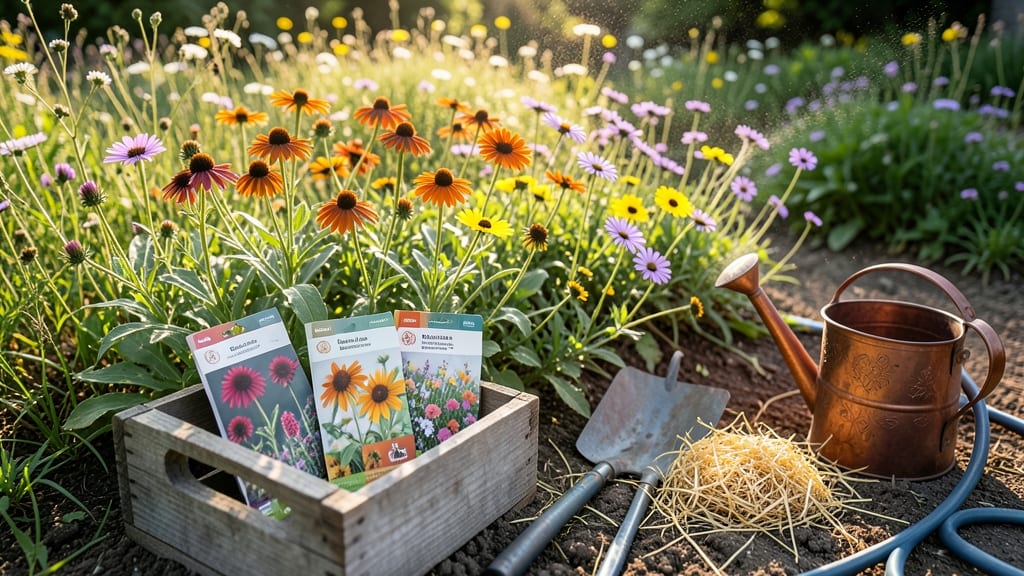
Planting wildflower seeds in June can still yield stunning blooms if you choose the right varieties and conditions 🌼 — but timing and preparation are everything.
June might feel like the perfect time to add vibrant wildflowers to your garden—but planting too late can mean weaker blooms or even wasted seeds. The key is selecting fast-growing annuals, keeping soil moist, and protecting young sprouts from summer heat.
In USDA Zone 6a, June’s warm days and long sunlight hours actually favor quick-germinating wildflowers like cosmos or zinnias, which bloom in just 60-90 days. The challenge? Balancing water needs with drought conditions while giving seeds time to establish roots before winter.
Below, I’ll walk you through the best June-friendly wildflowers, soil prep tricks, and watering schedules to turn late-season planting into a lush, long-lasting display.

June wildflower seed planting: ideal conditions and best species for late-season growth
June can absolutely be a great time to plant wildflower seeds—if you choose the right species and conditions. Many gardeners assume late-season planting won’t work, but with the correct approach, you can still enjoy vibrant blooms.
The key lies in selecting fast-germinating annuals and drought-tolerant perennials that thrive in summer heat. These varieties establish roots quickly, giving them an advantage before cooler weather arrives.
Your success depends on three critical factors: soil moisture, sunlight exposure, and seed selection. June’s heat can dry out seeds before they sprout, so proper watering techniques and shade protection become essential.
I’ve found that pre-soaking seeds and planting in well-draining soil dramatically improves germination rates during this month.
Regional climate plays a huge role—coastal areas with mild summers may handle June planting better than hot inland zones. For example, California poppies and black-eyed Susans thrive in USDA zones 3-9, while sunflowers prefer zones 4-10.
Always check your local frost dates to avoid planting too close to winter dormancy periods.
Here’s what you need to know about ideal conditions and the best wildflower species for June planting:
| Factor | June Planting Consideration | Best Practices |
|---|---|---|
| Sunlight Needs | 6+ hours daily | Choose south-facing spots; avoid deep shade |
| Soil Moisture | Consistent dampness | Water deeply 2x/week; mulch 2" thick |
| Seed Type | Annuals & Perennials | Prioritize cosmos, zinnias, coneflowers |
| Germination Time | 7-21 days | Pre-soak seeds 12 hours before planting |
| Heat Tolerance | High (80°F+) | Use shade cloth for delicate species |
For fastest results, focus on annual wildflowers like cosmos and zinnias—they germinate in as little as 7 days and produce blooms within 6-8 weeks. These varieties compensate for June’s heat with rapid growth cycles, making them ideal for late-season planting.
I’ve had exceptional success with cosmos bipinnata, which blooms within 50 days of sowing and continues flowering until frost.
Perennial options like black-eyed Susan and coneflower are also excellent choices for June planting, though they may take longer to establish. These plants develop deep root systems over summer, ensuring they’ll return stronger next year.
The trade-off? You might not see blooms until the following season, but the long-term benefits make them worth the wait.
One common mistake I see is overwatering after germination. While seeds need moisture to sprout, established wildflowers are remarkably drought-tolerant. Once seedlings appear, reduce watering to every 10-14 days unless your region experiences extreme heat waves. This mimics natural rainfall patterns and encourages stronger root development.
If you’re in a hot, dry climate, consider using shade cloth during the hottest afternoon hours (1-4 PM). This simple technique can prevent seed desiccation and reduce stress on young seedlings. I’ve used 30% shade cloth with great results—it filters enough light for photosynthesis while keeping temperatures manageable.
For northern climates with cooler summers, June planting works exceptionally well. Regions like the Pacific Northwest or New England can plant perennial wildflowers like bee balm or purple coneflower in June and still enjoy blooms the following year.
The key is to plant at least 6-8 weeks before your first frost date to allow roots to establish.
Remember that June planting isn’t about immediate gratification—it’s about long-term garden success. By choosing the right species, preparing your soil properly, and maintaining consistent moisture, you’ll create a wildflower meadow that thrives year after year. The best part? You’ll enjoy pollinator-friendly blooms while requiring minimal maintenance once established.
Step-by-step June planting guide: preparing soil, watering, and care for stronger roots
June planting is absolutely doable for wildflowers if you focus on soil moisture and seed selection—the trick is mimicking spring conditions. Since June offers long daylight hours and warm soil, fast-growing varieties like cosmos or zinnias can germinate in just 7-14 days with the right care.
The key is preparing your soil to retain moisture while preventing fungal issues from summer heat.
Start by choosing a sunny, well-draining spot—wildflowers need at least 6 hours of sunlight daily. Avoid compacted soil by loosening the top 2-3 inches with a rake or hoe.
This improves airflow and helps seeds make contact with moisture. If your soil is sandy, mix in 1 inch of compost to boost water retention without suffocating delicate roots.
- Prep the Soil: Loosen top 2-3 inches and mix in 1 inch compost for moisture retention. Avoid heavy fertilizers—wildflowers thrive in lean soil.
- Scatter Seeds: Lightly broadcast seeds (no deeper than 1/4 inch) in a sunny, open area. Press gently to ensure soil contact but don’t bury.
- Water Immediately: Use a fine mist spray to keep soil moist for 10-14 days until germination. Aim for 1/2 inch of water weekly afterward.
- Mulch Lightly: Apply 1/2 inch straw mulch to reduce evaporation and suppress weeds. Keep mulch away from seedling stems.
- Monitor for Heat Stress: If temperatures exceed 90°F, water in the early morning to prevent fungal diseases like powdery mildew.
- Thin Seedlings: Once sprouts reach 2-3 inches, thin to 6-12 inches apart for airflow and reduced competition.
- Fertilize Sparingly: Skip heavy fertilizers—wildflowers prefer low-nitrogen soil. A light 5-10-10 blend in early July can support root growth.
Watering is the most critical step in June—overwatering is worse than underwatering. Use a drip irrigation system or soaker hose to deliver water slowly at the soil level.
This prevents seed displacement and fungal growth. Aim for deep watering 2-3 times per week rather than daily shallow watering, which encourages shallow roots.
Watch for heat stress signs like wilting leaves or yellowing stems. If your wildflowers show distress, provide temporary shade with lightweight shade cloth (30-50% coverage) during peak afternoon heat.
Most varieties bounce back quickly once temperatures drop in the evening. Avoid pruning until plants are at least 6 inches tall—this ensures they’ve built enough energy reserves.
By late July, your wildflowers should be well on their way to establishing deep root systems. Continue watering deeply but reduce frequency to once every 10-14 days unless your region experiences a drought.
Mulch helps retain moisture and keeps soil temperatures stable. If you notice pests like aphids, blast them off with a strong stream of water—wildflowers rarely need chemical interventions.
With these steps, your June-planted wildflowers will reward you with vibrant blooms by late summer and may even self-seed for next year. The secret? Treating them like spring plants—moisture, patience, and minimal interference—will give them the best chance to thrive despite the late start.