
Planting
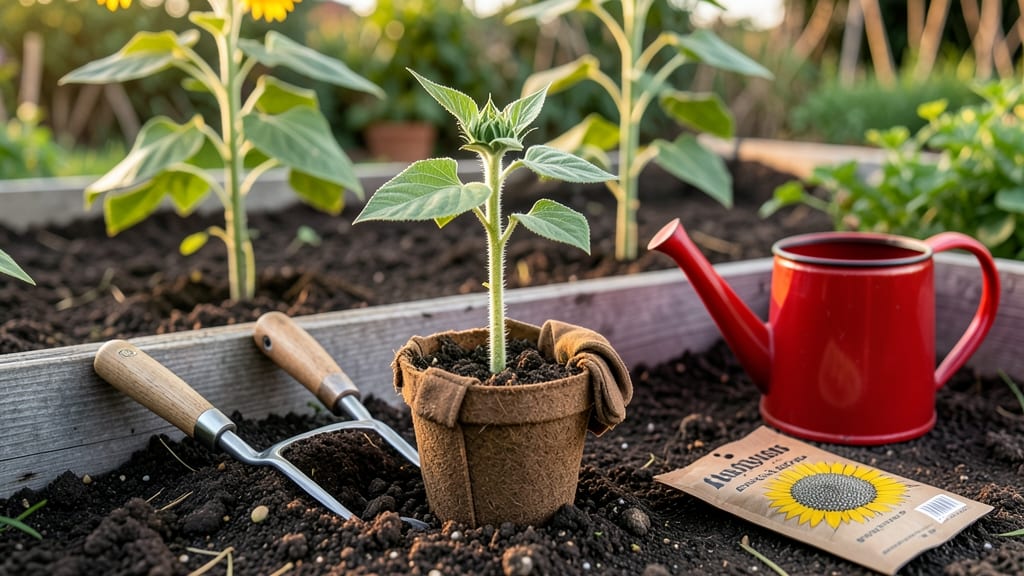
Transplanting sunflower seeds at the right time ensures fast growth and those towering 🌻 blooms you dream of—so timing is everything.
Picture this: you’ve nurtured your seedlings indoors, only to rush them outside too soon and watch frost nip their progress. Or worse, you wait too long, and the heat arrives before they’ve had a chance to take root.
The difference between a thriving sunflower and a stunted one often comes down to when you make that move.
For most gardeners in Zone 6a, the sweet spot falls in late April or early May—after the last frost has passed and soil temperatures hit a steady 50°F or warmer.
But regional tweaks matter, and knowing the signs your seedlings are ready (like sturdy stems and 3-4 true leaves) makes all the difference.
Below, I’ll break down the exact soil temp tricks, regional transplant windows, and step-by-step prep to give your sunflowers the fast start they deserve—no guesswork, just growth.


Optimal soil temperature for transplanting sunflower seeds
Sunflowers (Helianthus annuus) thrive when transplanted into soil that’s warmed by the sun, not just thawed from winter. The minimum soil temperature for safe transplantation is 50°F (10°C), but ideal conditions start at 55°F (13°C) or higher.
Below this threshold, roots struggle to establish, leading to stunted growth or even death. Understanding this temperature science helps you avoid common mistakes like transplanting too early after frost or waiting too long into summer heat.
Cold soil slows root development because sunflower roots are sensitive to chilly temperatures. When soil stays below 50°F (10°C) for more than a few days, seedlings may develop root rot or fail to absorb nutrients properly.
This is especially critical in northern climates where spring arrives slowly. Even in warmer zones, nighttime temperatures can drop unexpectedly, so always check soil temps before transplanting.
To test your soil temperature accurately, use a soil thermometer inserted 2-3 inches deep. Early morning is the best time to check because soil temperatures fluctuate throughout the day. If your readings are consistently below 50°F (10°C), wait at least 7-10 days for a reliable increase.
For regions with unpredictable springs, like the Pacific Northwest, this patience prevents transplant shock.
Preparing your garden bed is just as important as timing. Sunflowers prefer well-draining soil with a pH between 6.0 and 7.5. Before transplanting, amend the soil with compost or aged manure to improve fertility and structure.
Work in a 2-3 inch layer of organic matter at least a week before transplanting to let it settle. This preparation ensures your seedlings have the nutrients they need to bolster root growth once in the ground.
Regional adjustments are key to successful transplantation. In USDA Zones 3-5, where frosts linger into May, aim for mid-to-late May transplants when soil temperatures consistently reach 55°F (13°C).
In Zones 6-9, you can transplant as early as April in southern areas, but hold off until mid-May in northern parts of these zones. Coastal areas may require earlier transplants due to cooler ocean breezes, while inland regions can often plant 2-3 weeks earlier.
| Condition | Ideal Specification | Actionable Tip |
|---|---|---|
| Soil Temperature | 55°F (13°C) or higher | Use a soil thermometer 2-3" deep; morning readings are most accurate. |
| Frost Risk | None (after last frost date) | Check your local frost-free date and add 2-3 weeks for soil warming. |
| Soil Type | Well-draining, loamy | Amend clay soil with compost; avoid waterlogged areas. |
| Sunlight | 6+ hours of direct sun | Choose a south-facing spot for maximum warmth and growth. |
| Seedling Age | 4-6 weeks old | Hardened-off seedlings with 2-4 true leaves transplant best. |
| Watering | Deep soak before/after transplant | Water 1-2 gallons per plant to reduce transplant shock. |
If you’re transplanting in early spring and soil temperatures remain stubbornly low, consider using black plastic mulch or row covers to warm the soil by 5-10°F (3-6°C). These tools create a microclimate that accelerates soil warming, allowing you to transplant 2-3 weeks earlier than usual.
Just remember to remove covers once soil temperatures stabilize above 60°F (15°C) to prevent overheating.
Transplanting sunflowers in late spring or early summer requires different strategies. In Zones 8-10, where summer heat arrives early, transplant in March or early April to avoid the 100°F+ (38°C+) temperatures that can stress seedlings. Use shade cloth for the first week to protect young plants from intense sun.
In contrast, northern gardeners should prioritize soil temperature over calendar dates—wait until late May or June if early attempts fail due to cold snaps.
One common mistake is assuming that air temperature reflects soil temperature. Air temps can be 10-15°F (5-8°C) warmer than soil, especially in windy or dry conditions. For example, a 60°F (15°C) air temp might correspond to 45°F (7°C) soil—too cold for sunflowers.
Always verify with a soil thermometer to avoid misjudging readiness. This simple step can mean the difference between healthy, thriving sunflowers and wilted, struggling plants.
After transplanting, monitor your sunflowers closely for the first 7-10 days. Signs of stress include yellowing leaves, wilting, or slow growth—all indicators that soil temps may have dipped or roots weren’t established properly.
If you notice these issues, mulch heavily with straw or wood chips to insulate roots and retain moisture. With the right soil temperature and care, your sunflowers will reward you with st
Signs your sunflower seedlings are ready for transplanting
Transplanting sunflower seedlings too soon risks frost damage or weak roots, while waiting too long can stunt their growth. The key is watching for three critical signs—leaf development, stem strength, and root structure—that signal your seedlings are ready to handle outdoor conditions.
These milestones ensure your sunflowers transition smoothly from indoor starts to sun-soaked garden stars.
First, focus on the leaf count. Sunflower seedlings should have 3-4 true leaves (not the initial seed leaves) before transplanting. These larger, more mature leaves indicate the plant has enough energy reserves to support new growth.
I’ve found that seedlings with fewer than 3 true leaves often struggle to recover from transplant shock, so patience here pays off.
Next, check the stem strength. Gently grasp the base of the seedling near the soil—it should feel sturdy and slightly woody, not flimsy or hollow. If the stem bends easily, it’s not ready for the wind and weather outdoors.
I once transplanted overly tender seedlings and watched them topple over in a breeze, a lesson I won’t repeat! A firm stem means your sunflower can stand tall in the garden.
- 3-4 true leaves: Seedlings must have 3-4 mature leaves (not seed leaves) to photosynthesize efficiently outdoors.
- Sturdy stems: Gently squeeze the stem—it should bend slightly but not snap, indicating sufficient lignification.
- Root-bound roots: Gently remove the seedling from its pot to check for roots filling the container or growing out of drainage holes.
- Day length cue: Transplant when daylight hours exceed 14 hours (typically late spring), signaling longer growing days.
- Soil warmth: Confirm soil temps are consistently above 50°F at a 2-inch depth for 3+ days.
Don’t overlook the root structure. Carefully remove the seedling from its pot to inspect the roots—if they’re crowded or circling the bottom, it’s time to transplant. Roots should also be white or pale yellow, not dark or mushy.
When I first grew sunflowers, I ignored this step and ended up with leggy, root-bound seedlings that struggled to establish themselves. Healthy roots mean your sunflower can quickly absorb nutrients and water from the garden soil.
Environmental cues also matter. Watch for longer daylight hours, typically after the spring equinox, which signals your seedlings can handle more sunlight. Additionally, monitor your local frost forecast—sunflowers can’t tolerate temperatures below 50°F.
I always check the 10-day forecast before transplanting to avoid surprises. If frost is predicted within 5 days, hold off until conditions improve.
Finally, harden off your seedlings 7-10 days before transplanting. Gradually expose them to outdoor conditions—start with 1-2 hours of sunlight and increase daily. This process toughens their leaves and stems, reducing transplant shock.
I’ve seen seedlings that skipped hardening off wilt dramatically after being planted, so this step is non-negotiable for me.
Once you’ve confirmed all these signs, your sunflower seedlings are ready to shine in their permanent garden home. With the right timing, they’ll grow into those iconic, towering blooms you’ve been dreaming of—all thanks to paying attention to the details. Happy planting! 🌻