
Flowers
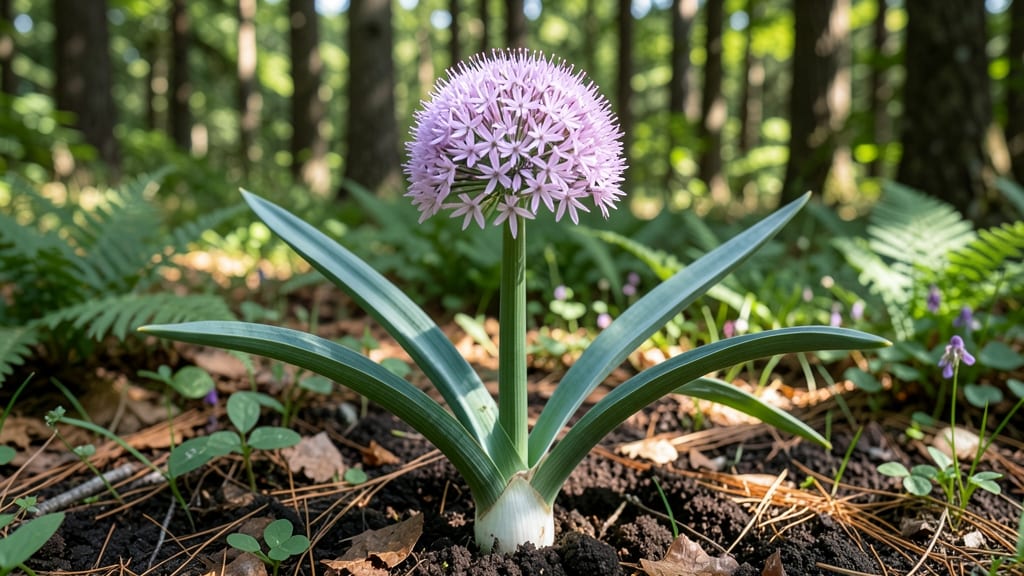
Wild leek flowers bring a delicate, edible charm to gardens with their star-shaped white blooms 🌱 — and they’re far more than just pretty.
Did you know these aromatic flowers aren’t just beautiful but also packed with flavor, perfect for adding a wild, aromatic touch to your garden and meals? They transform your landscape into a culinary treasure trove while attracting pollinators and repelling pests.
With their mild onion-garlic scent and delicate crunch, these blooms stand out in wildflower gardens, woodland landscapes, or naturalistic designs. They pair beautifully with other spring flowers like bluebells and columbine, creating a fragrant, pollinator-friendly haven.
Below, I’ll show you how to spot these edible blooms, creative ways to use them in cooking, and tips for growing wild leeks to ensure a bountiful display year after year.
How to identify and harvest wild leek flowers safely
Wild leek flowers—those elegant, star-shaped white blooms rising from lush green foliage—are a gardener’s secret gem. But before you harvest, you must distinguish them from toxic lookalikes like death camas or false hellebore.
These delicate flowers appear in late spring to early summer, typically between May and June, depending on your climate zone. Their mild onion-garlic aroma and edible petals make them a prized addition to wildflower gardens and culinary creations.
Identifying wild leek flowers correctly is your first critical step. Look for umbel-shaped clusters of small, 6-petaled white flowers on stems that emerge from a basal rosette of long, sword-like leaves.
Unlike their toxic counterparts, wild leeks grow in moist, shaded woodlands and have a distinctive garlic scent when crushed. Always cross-reference with a field guide or reliable app to avoid mistakes that could harm you or your garden.
- 1 Timing is Everything: Harvest flowers in the morning after dew has evaporated but before the sun intensifies. This preserves their freshness and flavor. Aim for late spring when blooms are fully open but haven’t yet begun to wilt.
- 2 Use Clean Tools: Equip yourself with sharp, sterilized scissors or pruning shears. Cut stems at a 45-degree angle, leaving at least 2-3 inches of stem attached to the flower. This ensures the plant can regenerate for future blooms.
- 3 Leave Some for Pollinators: Never harvest more than 30% of the blooms from a single plant. Wild leeks rely on bees and butterflies for pollination, and their flowers support local ecosystems. Prioritize sustainable harvesting to protect plant populations.
- 4 Avoid Contaminants: Inspect each flower for pests or diseases. Discard any blooms with yellowing petals, spots, or signs of insect damage. Rinse gently with cool water to remove dirt or debris, but avoid soaking to prevent wilting.
- 5 Store Properly: Place harvested flowers in a paper towel-lined container and refrigerate for up to 5 days. For longer storage, dry them by hanging small bundles upside down in a well-ventilated area away from direct sunlight. Once dried, store in an airtight container for up to 6 months.
Wild leek flowers thrive in moist, shaded environments, so if you’re harvesting from the wild, focus on areas like forest edges or damp meadows. Avoid roadsides, as these plants may absorb pollutants or pesticides.
If you’re growing your own wild leeks, create a shaded garden bed with rich, well-draining soil to encourage abundant blooms. Pair them with ferns or hostas to mimic their natural woodland habitat.
One of the most rewarding aspects of harvesting wild leek flowers is their dual purpose. Beyond their culinary uses, they add a whimsical charm to bouquets and garden arrangements. Their delicate white petals contrast beautifully with deep green foliage or purple blooms like lilacs.
Try incorporating them into wildflower meadows or along garden paths to attract butterflies and bees while keeping your space vibrant.
To ensure a sustainable harvest, never dig up wild leek bulbs, as this can deplete local populations. Instead, focus on flower harvesting and leave the roots intact.
If you’re cultivating wild leeks in your garden, mulch around the base with leaf litter or compost to protect the bulbs and encourage future blooms. This mimics their natural forest-floor conditions and promotes healthy growth year after year.
When harvesting, always prioritize ethical foraging. If you’re unsure about a
Culinary uses of wild leek flowers: recipes and flavor pairings
The delicate white star-shaped blooms of wild leeks offer a unique onion-garlic aroma with a subtle sweetness, making them perfect for elevating dishes with a wild, foraged touch.
Their delicate crunch and mild flavor work beautifully in salads, infusions, and garnishes, while their pollinator-friendly nature adds value to your garden ecosystem. Unlike their pungent leaves, these flowers provide a subtle, elegant addition that pairs well with both rustic and refined dishes.
Harvesting these flowers at their peak—when fully open but before wilting—preserves their freshest flavor and brightest color. You can use them immediately or store them in a paper towel-lined container in the fridge for up to 3 days.
For longer storage, gently dry them in a cool, dark place and store in an airtight container for up to 2 weeks, perfect for winter infusions or dried garnishes.
- Garnishes: Sprinkle over creamy soups, salads, or butter dishes for a pop of color and mild onion-garlic notes.
- Infusions: Steep in white wine, vinegar, or honey for 2-3 weeks to create fragrant flavored vinegars or herbal syrups.
- Stuffed Flowers: Fill with herbed cream cheese or goat cheese for elegant appetizers.
- Tea Blends: Combine with chamomile or peppermint for a soothing, aromatic tea.
- Baked Goods: Finely chop and mix into shortbread, scones, or sugar cookies for a subtle floral-onion twist.
Pair wild leek flowers with complementary flavors like fresh dill, chervil, soft goat cheese, or honey to enhance their natural sweetness. Their mild onion-garlic profile also works well with earthy mushrooms, tender greens, and creamy avocado.
For a bold contrast, try pairing them with spicy mustard or tangy lemon zest in dressings and marinades.
One of my favorite ways to use these flowers is in a wild leek flower vinaigrette. Simply blend 1 tbsp chopped flowers, 2 tbsp white wine vinegar, 1 tbsp honey, 1 tsp Dijon mustard, and salt to taste.
Drizzle over mixed greens or use as a marinade for grilled chicken or fish. The result is a bright, aromatic dressing that highlights the flowers' unique charm.
For a simpler approach, try adding them to butter or cream cheese as a garnish. Mix 1 tbsp softened butter with 1 tsp chopped flowers, a pinch of salt, and a dash of lemon juice.
Spread on warm toast or crackers for a luxurious, flavorful bite. This method works equally well with herb-infused oils, making it a versatile way to incorporate these edible blooms into everyday meals.
Wild leek flowers aren’t just a culinary delight but also a garden asset. Their pollinator-friendly nature attracts bees and butterflies, while their deer-resistant qualities make them a practical choice for wildlife-friendly landscapes.
By using every part of the plant—from leaves to flowers—you’re not only enhancing your meals but also supporting a sustainable, thriving garden ecosystem.