
Succulent
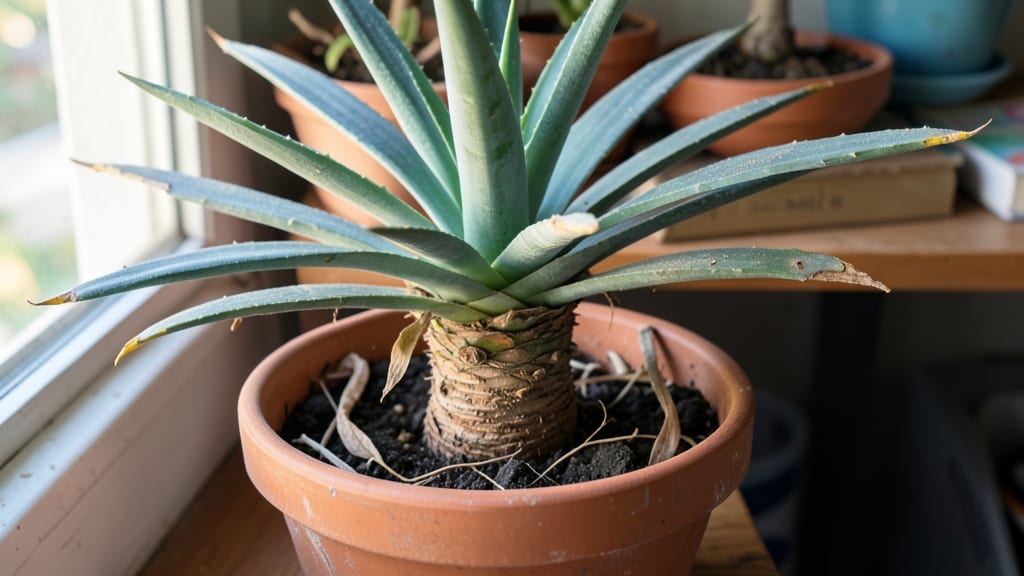
Forcing Yucca gloriosa flowering is like unlocking a secret garden—your plant already has the potential, but it needs the right signals to bloom.
Yucca gloriosa 🌵 is a stunning architectural plant—until it blooms. But forcing this rare indoor flower can feel like chasing a mirage. With the right triggers, you can coax those dramatic white panicles to life, even in low-light spaces.
Most growers never see their Yucca gloriosa flower because they miss the key triggers: a winter chill period, precise light exposure, and the right soil conditions. But once you understand these cues, you can turn a dormant plant into a showstopper.
Here’s how to read your plant’s signals, adjust your care routine, and finally trigger those breathtaking blooms—without moving it outdoors.
How to trigger yucca gloriosa flowering indoors with light and temperature tricks
Yucca gloriosa thrives as a dramatic houseplant, but its rare white panicles often remain elusive indoors. The secret lies in mimicking its natural flowering triggers—photoperiod changes, temperature shifts, and dormancy periods.
Unlike outdoor yuccas, indoor plants need artificial cues to break dormancy and initiate blooming. With the right light manipulation and temperature cycles, you can force flowering even in low-light apartments.
Most yuccas bloom in response to short-day conditions (less than 12 hours of daylight) followed by a cold shock. Indoors, this means creating a controlled photoperiod and simulating winter chills.
The key is patience—some plants take 12-18 months of consistent triggers before producing buds. Start by adjusting your plant's light exposure in late summer to prepare it for the flowering cycle.
Step-by-Step Flowering Triggers for Yucca Gloriosa
-
Step 1: Reduce Light Exposure (Late Summer)
Move your yucca to a bright, indirect spot (e.g., east-facing window) for 8-10 hours of light daily starting in August. Use a grow light timer to limit exposure to 10-12 hours if needed. -
Step 2: Simulate Short-Day Conditions (Fall)
From September to November, provide only 6-8 hours of light using a blackout curtain or LED grow light on a timer. This mimics fall daylight reduction, signaling dormancy. -
Step 3: Apply Cold Shock (Winter)
Place your yucca in a cool room (50-55°F) for 6-8 weeks (e.g., garage or unheated porch). Avoid freezing—below 40°F damages roots. This dormancy period is critical for bud formation. -
Step 4: Gradual Warmth Return (Early Spring)
In February, move the plant back to room temperature (65-75°F) and resume full sun exposure (6+ hours). Increase water slightly to encourage new growth—buds typically appear 4-6 weeks later. -
Step 5: Monitor for Flower Stalk (Spring)
Watch for a thick, upright stalk emerging from the center. This inflorescence can take 2-4 weeks to bloom. Keep soil slightly moist but not soggy during this phase. -
Step 6: Post-Bloom Care (Summer)
After flowering, reduce water to every 3-4 weeks and avoid fertilizing until next spring. Prune dead flower stalks at the base to redirect energy to foliage for the next cycle.
✅ Pro Tip: Use a digital thermometer to track temperature shifts—consistency is key!
Temperature swings are just as important as light. Yucca gloriosa naturally experiences winter chills in its native habitat, which triggers hormonal changes leading to flowering. Without this cold shock, your plant may produce leaves but no flowers.
Even in apartments, a cool basement or garage can work—just ensure humidity stays low to prevent rot.
Light quality matters too. While LED grow lights are effective, full-spectrum bulbs (5000-6500K) mimic natural sunlight best. Place lights 12-18 inches above the plant and run them for 12-14 hours daily during the growth phase (spring/summer). Avoid blue-only LEDs, which can stress the plant.
Patience is non-negotiable. First-time bloomers often take 2-3 years of consistent triggers. Track your plant's growth cycles in a journal—note when you applied cold shocks, adjusted light, and saw new stalks.
Over time, you'll refine your approach. For example, my 3-year-old yucca bloomed 6 weeks after its second cold treatment.
Watch for pre-flowering signs: a tight bud cluster at the stalk's tip or slight leaf curling. These indicate the plant is gearing up for bloom. Once buds open, enjoy the 3-4 week display—but don't expect annual flowers.
Yuccas bloom every 2-5 years under ideal conditions, so treat each cycle as a rare reward.
If your yucca skips flowering, revisit your triggers. Common culprits include inconsistent light, missed cold periods, or over-fertilizing (which encourages foliage over flowers). Adjust one variable at a time—like extending the short-day period by 2 weeks—to isolate the issue.
Remember, indoor yuccas are resilient. Even if blooming fails the first year, your plant is storing energy for future cycles. With each attempt, you're training it to respond. Soon, those dramatic white panicles will become a houseplant highlight—worth every trick!
Common mistakes that prevent yucca gloriosa from blooming (and how to fix them)
Your yucca gloriosa might look stunning year-round, but those showstopping white blooms remain elusive. The problem? Common care missteps that trick your plant into thinking it's safe from flowering. I’ve seen overwatered yuccas refuse to bloom for years—until we fixed the drainage.
Let’s tackle the top mistakes and their fixes so your plant finally sends up those dramatic flower spikes.
First, most gardeners assume yucca gloriosa thrives on neglect, but it actually needs specific triggers to bloom. Without them, your plant stays in survival mode. The biggest culprits? Inconsistent watering, poor soil conditions, and skipping its dormancy period.
These three mistakes alone can delay blooms by 3-5 years. Let’s break down how to correct them before your next growing season.
Yucca gloriosa roots rot easily in soggy soil, starving the plant of nutrients needed for flower bud formation. Even "well-draining" potting mixes can compact over time. Fix it: Let the top 3-4 inches of soil dry completely between waterings. Use a terracotta pot to wick excess moisture away.
Your watering schedule might be the real villain. Many gardeners water yucca gloriosa too frequently, thinking it’s a desert plant. But overhydration triggers root rot, which blocks flowering signals.
Instead, mimic its natural Mediterranean climate—deep soaks followed by dry spells. In winter, reduce watering to once a month to encourage dormancy, a key trigger for blooms.
Next, poor soil drainage is another silent bloom-blocker. Yuccas hate "wet feet" and need soil that mimics sandy loam. If your mix retains moisture, amend it with perlite or coarse sand (50/50 ratio).
Pro tip: Add a 1-inch layer of gravel at the pot’s bottom to prevent water pooling. Without proper drainage, your plant’s energy goes to survival, not flower production.
Don’t overlook the dormancy period, a critical but often missed step. Yucca gloriosa needs 4-6 weeks of cooler temps (50-60°F) in late fall to set flower buds. If you keep it warm year-round, it stays in vegetative growth mode.
Move your plant to a cool, bright spot (like an unheated garage) and cut back on water. This shock tells the plant, "It’s time to bloom!"
Finally, over-fertilizing with high-nitrogen feeds can delay blooms by promoting leafy growth instead. Switch to a low-nitrogen, phosphorus-rich fertilizer (like 5-10-10) in early spring to encourage flowering. And remember: Less is more. A 1 tbsp/plant every 6-8 weeks is plenty. Too much fertilizer = no flowers.
With these fixes, your yucca gloriosa should start showing signs of blooming within 12-18 months. Watch for new growth at the base—a sure sign it’s preparing to flower. And when those white panicles finally appear, you’ll know you’ve cracked the code! 🌵