
Aphids
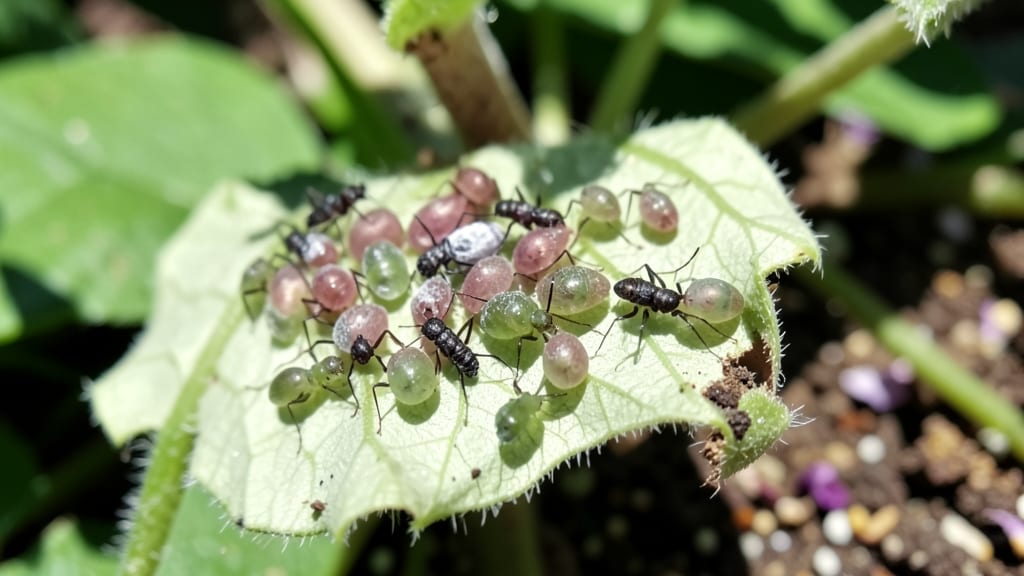
When aphids turn your flowers into sticky, curled messes, this soapy water spray is your fastest fix—it works in minutes without harsh chemicals. 🌿 I’ve watched entire colonies dissolve right before my eyes after just one spritz, and the best part? Your plants bounce back without a trace of damage.
The problem starts when these sap-sucking pests cluster on new growth, leaving behind honeydew that attracts mold and weakens stems. Roses, tomatoes, and even veggies like peas are prime targets, but the good news is you don’t need fancy tools—just a spray bottle, mild soap, and water.
Most gardeners overlook the 10-minute wait time after spraying, which lets the solution fully coat the pests.
You’ll see results immediately: aphids drop off, leaves unfurl, and flowers regain their vibrant color within hours. The spray is safe for beneficial insects too, as long as you reapply every 3-4 days during outbreaks. This method has saved my garden from multiple infestations without harming pollinators or soil health.
Works for all flower types, from delicate petunias to hardy roses, and pairs perfectly with companion planting to prevent future invasions. Let’s get those blooms back to their best!
Why it happens
When you spot aphids clustering on your flowers, it’s rarely just bad luck—it’s usually a mix of environmental cues, plant weaknesses, and even human habits. Understanding these root causes helps you prevent future infestations and target solutions more effectively. Let’s break down why these tiny sap-suckers show up uninvited.
🌱 Weakened Plants Attract More Aphids
Aphids are like the opportunistic roommates of the garden—they move in when your plants are already struggling. Here’s why:
- Nutrient Deficiencies: Plants low in nitrogen or phosphorus are easier targets. Aphids detect stressed plants through volatile organic compounds (VOCs) released during stress, acting like a dinner bell. 🔔
- Overcrowded Roots: Root-bound plants or those in overly compacted soil can’t absorb water efficiently, making them sweeter (higher sugar content in sap) and more appealing to aphids.
- Poor Drainage: Soggy soil or waterlogged roots create the perfect breeding ground. Aphids thrive in humid microclimates near damp foliage, where their eggs stay moist and hatch faster.
Actionable Fix: Feed your plants a balanced fertilizer (like 10-10-10) and improve soil aeration with compost or perlite. 🌿
🐝 Natural Pollinators Bring Unwanted Guests
Aphids don’t fly far—they hitchhike on wind, water, or living carriers. Here’s how they get to your flowers:
- Bees & Wasps: These pollinators can unintentionally transfer aphids from infested plants to healthy ones while foraging. Aphids secrete honeydew, a sticky substance that attracts ants (who “farm” aphids), creating a symbiotic chain reaction. 🐜
- Wind & Rain: Aphids produce winged adults during warm spells, allowing them to disperse quickly. A single storm can drop thousands of eggs onto nearby plants.
- Contaminated Tools/Gardeners’ Hands: Pruners, gloves, or even your shoes can carry aphids between plants. Always sterilize tools with rubbing alcohol between uses!
Actionable Fix: Isolate new plants for 2 weeks to monitor for hitchhikers. Use fine mesh row covers on vulnerable seedlings. 🛡️
☀️ Warm, Sheltered Spots Create Aphid Havens
Aphids love cozy, protected spots where they can feed undisturbed. These conditions make your flowers a five-star resort:
- South-Facing Exposure: Direct sunlight + heat = faster reproduction. Aphids develop 3-4 generations per week in warm climates (vs. 1-2 in cooler areas).
- Dense Foliage: Thick leaves or flowers (like roses or hydrangeas) trap humidity and block natural predators like ladybugs. 🕷️
- Artificial Shelter: Greenhouses, polytunnels, or even mulch piles near plants create microclimates where aphids overwinter and rebound quickly in spring.
Actionable Fix:
- Prune plants to improve airflow (aim for a “sunny skeleton” structure).
- Use reflective mulch (like aluminum foil) to deter aphids with light confusion.
- Introduce aphid predators like lacewings or parasitic wasps (they thrive in warm, sheltered spots too!).
🍯 Honeydew Feedback Loops Fuel Infestations
Aphids don’t just feed—they engineer their own success by creating sticky, sugary traps. Here’s how:
- Honeydew Attracts Ants: Aphids excrete honeydew (a byproduct of sap-sucking), which ants farm for food. In return, ants protect aphids from predators, creating a mutualistic relationship that explodes infestations. 🐜💥
- Sooty Mold Growth: Honeydew fermenting on leaves fosters black sooty mold, which blocks sunlight and weakens plants—making them even more attractive to aphids.
- Altered Plant Chemistry: As aphids feed, they inject saliva enzymes that change the plant’s sugar profile, making it more nutritious for future aphid generations.
Actionable Fix:
- Disrupt ant trails with diatomaceous earth or sticky barriers.
- Wipe honeydew off leaves with a soapy water spray (1 tsp mild soap per quart of water).
- Encourage aphid-eating birds (like chickadees) with nearby feeders. 🐦
Quick Fixes for Flower-Friendly Pest Control
Discovering aphids munching on your prized blooms can feel like a gardener’s nightmare—but don’t panic! These tiny pests are manageable with the right approach. Below, we’ve mapped out practical, effective solutions tailored to the most common causes of aphid infestations.
Whether it’s overcrowded plants, weak immunity, or a lack of natural predators, we’ve got you covered with fast-acting fixes and long-term prevention tips to keep your garden thriving.
🌱 Overcrowded or Stressed Plants → Prune & Space Out
Aphids love cozy spots where plants are packed together or struggling to thrive. When foliage is dense, they hide in plain sight, feasting undetected. Here’s how to reclaim your garden:
🔪 Step 1: Thin Out the Garden
- Trim back overgrown branches—especially on roses, lavender, or hydrangeas—to improve airflow. Aim for 1/3 less density to disrupt aphid hideouts.
- Remove heavily infested leaves or stems (especially at the base of flowers) and dispose of them in a sealed bin (not the compost!).
- For potted plants, repot if roots are circling—aphids thrive in stagnant, nutrient-poor soil.
💡 Pro Tip: The "Deadheading Hack"
Regularly deadhead spent blooms (snip off faded flowers) to reduce aphid populations. These pests often cluster near new growth—so keeping plants pruned and tidy starves them out.
🌡️ Prevention: Space Plants for Sun & Air
- Follow plant spacing guidelines (check seed packets or garden guides) to avoid suffocating your greens.
- Add mulch around the base (like straw or wood chips) to retain moisture and deter aphids from crawling up stems.
- Rotate crops annually if growing vegetables—aphids specialize in certain plants, so confuse them with variety!
🐞 Lack of Natural Predators → Invite the Good Guys
Aphids multiply rapidly when their predators (like ladybugs, lacewings, or parasitic wasps) are missing. Luckily, you can turn your garden into a bug buffet to lure them in!
🍳 Step 1: Plant Aphid-Snack Attractors
Add these aphid-magnet plants to your garden to draw predators:
| Plant | Why It Works |
|---|---|
| Dill, Fennel, or Parsley | Lacewings and hoverfly larvae love these umbellifers. |
| Marigolds or Nasturtiums | Attract ladybugs and parasitic wasps with their bright blooms. |
| Yarrow or Goldenrod | Provide nectar for adult predators to stay hungry. |
👨🍳 Step 2: Create a "Bug Hotel"
Build a simple insect habitat using:
- A wooden box filled with bamboo stakes, pinecones, and hollow stems.
- Dried leaves in a mesh bag—lacewing pupae love these.
- Place it near aphid-prone plants for easy access.
✨ Pro Tip: Release Beneficial Insects
Buy ladybugs or lacewing eggs from garden centers and release them at dusk (they’re less stressed in cooler temps). For severe infestations, aphid-specific nematodes (microscopic worms) can be watered into the soil—they seek out and kill aphids within days!
💦 Weak Plant Health → Boost Immunity Naturally
Weak, nutrient-deficient plants are aphid magnets. Strengthen your blooms with these organic power-ups:
🥗 Step 1: Feed with Compost Tea
Brew a compost tea (steep compost in water for 24–48 hours, strain) and spray on leaves or pour into the soil. It adds:
- Beneficial microbes that repel pests.
- Nitrogen to thicken foliage (aphids hate tough leaves!).
💪 Step 2: Use Fish Emulsion or Seaweed Fertilizer
These liquid fertilizers are packed with:
- Phosphorus for root strength.
- Trace minerals that improve plant resistance.
- Natural hormones that speed up recovery.
How to apply: Mix 1 tbsp per gallon of water and spray on leaves weekly during growing season.
🌡️ Prevention: Water Wisely
Aphids hate humidity—they dry out fast in dry conditions. Try:
- Watering early in the morning (before 10 AM) to let foliage dry quickly.
- Avoid overhead watering—use a drip irrigation system or soaker hose instead.
- Mist plants lightly with water + a drop of dish soap (1 tsp per gallon) to disrupt aphid wax coatings.
🚨 Severe Infestations → Fast-Acting Sprays
If aphids have taken over, act now with these minute-to-hours solutions:
🔥 Step 1: Blast Them Off with Water
A strong water spray (from a hose nozzle or spray bottle) can knock aphids off plants. Do this:
- Direct the stream under leaves and flower clusters.
- Repeat every 2–3 days until gone.
- Best time: Early morning or evening (avoid midday sun stress).
🍳 Step 2: DIY Natural Sprays (Test First!)
Mix one of these in a spray bottle and apply to both tops and undersides of leaves:
| Spray Recipe | How It Works |
|---|---|
| 1 tsp dish soap + 1 quart water | Breaks down aphid wax layers, suffocating them. |
| 2 tbsp neem oil + 1 tsp castile soap + 1 quart water | Dis
Frequently asked questions
1
Why do aphids suddenly appear on my flowers?Aphids target flowers when plants are stressed—think nutrient deficiencies, poor drainage, or overcrowding. They’re also drawn to sweet sap and thrive in sheltered spots like dense foliage or south-facing areas. Weak plants release stress signals that attract these pests like a neon sign!
2
Is the soapy water spray safe for all flower types?Yes! Mild dish soap (1 tsp per quart of water) is gentle enough for most flowers, including roses, tomatoes, and vegetables. Always test on a small leaf first, and avoid overdoing it—aphids can return if you skip reapplication every 3-4 days during outbreaks.
3
How long until I see results after spraying?You’ll notice aphids dropping off within 10-15 minutes of spraying, but full recovery takes 24-48 hours. Keep spraying every other day until the infestation clears—consistency is key!
4
Will this method harm beneficial insects like bees?When used correctly, the soapy spray targets only aphids and avoids harming bees or ladybugs. Apply in the evening when pollinators are less active, and avoid oversaturating flowers.
5
What should I do if aphids keep returning?Focus on prevention: improve airflow, remove ant trails, and introduce natural predators like ladybugs. Aphids often return due to underlying plant stress—strengthen your flowers with compost tea or neem oil for long-term protection. |