
Trees
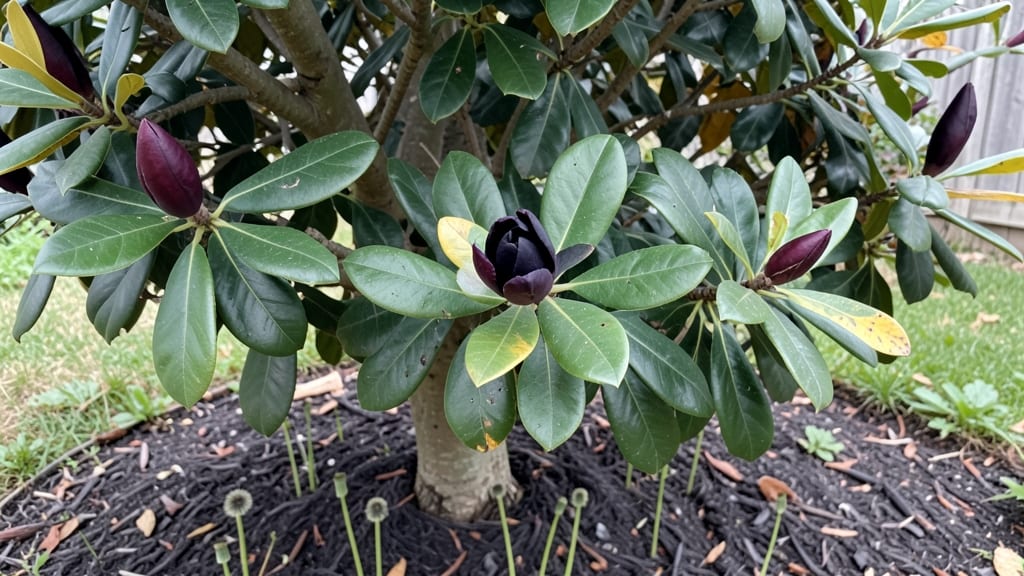
Growing a black magnolia flower 🌸 transforms your garden into a fragrant, velvety masterpiece—but its finicky nature makes many gardeners hesitate.
Picture this: a 15-foot tree draped in deep burgundy blooms that smell like heaven, yet it refuses to thrive because the soil is too alkaline or the afternoon sun scorches its leaves. That’s the catch with this rare beauty—it demands patience and precision.
From USDA Zone 6a to your backyard, this guide covers the exact soil mix, watering schedule, and pruning secrets to coax those stunning blooms year after year.
Ready to turn your garden into a showstopper? I’ll walk you through every step, from planting in April–May to troubleshooting common pitfalls that keep this magnolia from reaching its full potential.
Black magnolia flower care guide: light, soil, watering, and temperature requirements
The black magnolia (Magnolia grandiflora 'Black Tulip') thrives when you mimic its natural habitat—rich, acidic soil and gentle sunlight. Unlike sun-loving varieties, this cultivar prefers partial shade to protect its delicate dark purple-black blooms from scorching.
Understanding these light and soil requirements is key to unlocking its full potential, including those intense fragrances that make it a garden showstopper.
Your microclimate matters more than you might think. While black magnolias handle USDA zones 6-9, they despise extreme heat or cold snaps. A sheltered location with afternoon shade will give you the best results, especially in hot summer climates where leaves can burn.
Let’s break down exactly what your black magnolia needs to flourish.
For light exposure, think of your black magnolia as a shade-loving diva. Plant it where it gets morning sun but avoids the harsh afternoon rays that can bleach its leaves.
A southeast-facing spot works perfectly—just ensure nearby trees or structures filter light without blocking all sunlight. In hot climates, even a light sheer curtain can help protect its leaves.
Your soil pH is non-negotiable. Black magnolias demand acidic soil (5.5-6.5). Test your soil—if it’s alkaline, amend it with peat moss or sulfur before planting. Mix in compost or aged manure to improve drainage while keeping nutrients rich.
A mulch layer of pine needles or oak leaves will help maintain that acidic environment naturally.
Watering your black magnolia requires patience. Young trees need weekly deep waterings (about 20 liters per tree), while established ones tolerate bi-weekly soakings. The key is consistency—never let the soil dry out completely, but avoid soggy roots.
Water at the base of the plant in the morning to reduce evaporation and fungal risks. During summer droughts, increase frequency to every 5-7 days.
Temperature swings can stress your black magnolia. While it handles USDA zones 6-9, extreme cold (<32°F/0°C) or heat (>90°F/32°C) will stunt growth. In zone 6, protect young trees with burlap wraps during winter.
In hot zones, provide afternoon shade with a lightweight shade cloth (30-50% coverage). A microclimate buffer, like planting near a stone wall or building, can also help regulate temperatures.
Your black magnolia’s slow growth means it’s a long-term investment. In its first year, expect 2-4 feet of growth; by year three, it’ll reach 10-12 feet. Patience pays off with fragrant blooms by year five.
To encourage faster (but still slow!) growth, fertilize lightly in early spring with a balanced 10-10-10 fertilizer. Avoid heavy feeding—this tree prefers nutrient-rich soil over frequent fertilizers.
One common mistake is overwatering. While black magnolias love moisture, waterlogged roots lead to root rot. Amend heavy clay soil with sand or perlite to improve drainage. If your garden has poor drainage, consider planting in a raised bed or mound.
Always check soil moisture by sticking your finger 2 inches deep—if it’s dry, it’s time to water.
For container growing, choose a large pot (20+ gallons) with drainage holes. Use a mix of peat moss, perlite, and compost to mimic its natural soil. Move pots to shaded areas during summer heat and bring them indoors if temperatures drop below 40°F (4°C).
Containers dry out faster, so monitor soil moisture closely and water every 4-5 days in summer.
Finally, watch for leaf color changes. Yellowing leaves often signal overwatering or poor drainage, while brown edges mean underwatering or sunburn. Adjust your care routine based on these clues. With the right light,
How to prune and propagate black magnolias for healthier growth and more flowers
The black magnolia (Magnolia grandiflora 'Black Tulip') thrives with proper pruning and propagation, but its slow growth means timing and technique are everything.
Pruning encourages healthier blooms and shape, while propagation lets you expand your garden. Let’s dive into the step-by-step methods to keep your magnolia flourishing for decades.
Pruning should focus on removing dead wood, thinning dense areas, and shaping the tree to prevent disease. The best time to prune is late winter or early spring, just before new growth begins.
For propagation, you’ll have two options: seeds or cuttings, each with its own challenges and rewards. Let’s start with the pruning process.
Step-by-Step Pruning Guide for Black Magnolias
-
Step 1: Gather Tools
- Sterilized pruning shears (for small branches)
- Sharp pruning saw (for thicker branches)
- Disposable gloves and rubbing alcohol (to sterilize tools)
-
Step 2: Remove Dead or Diseased Wood
- Cut dead branches back to the main trunk or a healthy lateral branch.
- Look for discolored or mushy wood—remove these immediately.
-
Step 3: Thin Out Dense Areas
- Select branches growing inward and crossing others—remove up to 25% of the canopy.
- Focus on water sprouts (fast-growing vertical shoots) to maintain shape.
-
Step 4: Shape the Tree
- Use thinning cuts (cutting back to a lateral branch) to open the canopy.
- Avoid heading cuts (cutting back to a stub)—this can harm the tree.
-
Step 5: Clean Up
- Remove all pruned debris from the area to prevent disease.
- Sterilize tools with rubbing alcohol before storing.
After pruning, your black magnolia will reward you with more abundant blooms and a healthier structure. Now, if you’re ready to propagate your magnolia to share with others or expand your garden, let’s explore the two methods: seeds and cuttings. Each has its own timeline and success rate.
For seed propagation, collect seeds from mature cones in late fall or winter. Soak them in warm water for 24 hours to soften the hard outer shell, then plant them in a well-draining potting mix.
Keep the soil moist and place the pot in a warm, shaded location. Germination can take 3-6 months, so patience is key.
For cutting propagation, take semi-hardwood cuttings in late summer or early fall. Choose healthy, 6-inch-long branches and dip the cut end in rooting hormone. Plant them in a moist, sandy potting mix and cover with a plastic bag to retain humidity.
Roots should form in 4-8 weeks, after which you can transplant them.
Whether you choose seeds or cuttings, remember that black magnolias grow slowly. Give your new plants plenty of time and care—they’ll repay you with stunning, fragrant blooms for years to come. Happy gardening! 🌿