
Flowers
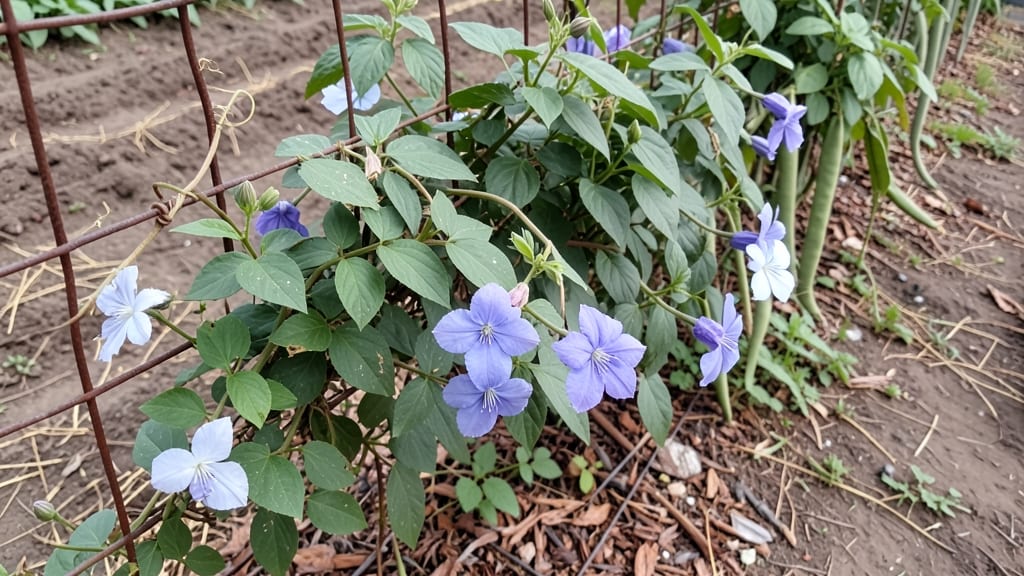
Blue flowering clematis varieties bring a cool, sky-like hue to your garden 🌸—but their stunning blooms depend on the right care and timing.
Imagine a garden bursting with vibrant blue clematis blooms all year long—but most gardeners struggle to keep these stunning vines thriving. The secret lies in mastering pruning techniques and care tailored specifically for blue flowering clematis varieties, which demand unique attention compared to other colors.
From USDA Zone 6a to warmer climates, these vines need the perfect balance of sunlight, soil, and water to reach their full potential.
Planting in March-April after the last frost gives them the best start, but even the hardiest varieties like Clematis 'Jackmanii' need consistent moisture and the right support to climb.
In this guide, I’ll walk you through the pruning schedule that keeps blooms coming, the soil secrets that prevent wilting, and how to choose the best blue clematis for your garden style—whether you want a trellis showstopper or a ground-covering masterpiece.
How to prune blue flowering clematis for maximum blooms
Pruning blue flowering clematis is the key to unlocking a cascade of vibrant blooms throughout the season. Unlike other varieties, these stunning vines require precise timing and technique to avoid cutting off next year's flowers.
The wrong cut can mean fewer blooms—or even no flowers at all. I’ve pruned Clematis 'Jackmanii' and Clematis montana for years, and I’ve learned that understanding your plant’s bloom time is everything.
Blue clematis varieties fall into three main bloom time categories: early, mid, and late-season. Each group needs a different pruning approach to ensure continuous color from spring to fall. For example, early bloomers like Clematis montana flower on old wood, meaning last year’s growth produces this year’s blooms.
Cutting too aggressively can leave you with bare stems. Meanwhile, late bloomers like Clematis 'Jackmanii' thrive when you prune back hard in early spring, encouraging lush new growth.
Before you grab your pruning shears, learn how to distinguish dead stems from live ones. Dead stems are brown, brittle, and hollow when cut open. Live stems are green, flexible, and may have buds or small leaves. Knowing this difference prevents accidental damage to next year’s blooms.
I always wait until late winter or early spring to prune, just as new growth begins to appear. This timing ensures I’m not cutting off potential flowers hidden in the buds.
Here’s my foolproof step-by-step pruning guide tailored for blue flowering clematis, complete with visual cues to keep your vines thriving:
Identify Your Clematis Type
Check your plant’s bloom time and stem type. Early bloomers (e.g., Clematis montana) flower on old wood, while late bloomers (e.g., Clematis 'Jackmanii') flower on new wood. Look for labels or consult a clematis pruning chart.
Prune Early Bloomers (Group 1)
Prune minimally in late winter or early spring. Remove only dead or damaged stems and trim back any overgrowth by 10-20%. Never cut into old wood—this is where next year’s blooms form! Use sterilized shears to avoid disease.
Prune Late Bloomers (Group 3)
Cut back hard in early spring, just as new shoots emerge. Remove all last year’s growth down to 2-3 healthy buds from the base. This encourages vigorous new growth and more blooms later in the season. For Clematis 'Jackmanii', aim for 12-18 inches of remaining stem.
Prune Mid-Season Bloomers (Group 2)
These varieties (e.g., Clematis viticella) bloom on both old and new wood. Prune lightly in early spring, removing only dead stems. Then, after the first flush of blooms, trim back one-third of the oldest stems to encourage new growth for a second bloom cycle.
Clean Up and Support
Remove all pruned debris from the base of the plant to prevent disease. Apply a layer of mulch to retain moisture and protect roots. Install or adjust support structures (e.g., trellises, obelisks) to guide new growth upward and prevent tangling.
Seasonal Pruning Timeline
Use this chart to time your pruning perfectly:
- Late Winter (Feb): Prune Group 3 (late bloomers) hard.
- Early Spring (March): Light prune Group 1 (early bloomers).
- Mid-Spring (April): Prune Group 2 (mid-season bloomers) after first blooms.
- Fall (Oct-Nov): Remove dead stems only; avoid heavy pruning
Essential care tips for blue clematis varieties (soil, sunlight, watering)
Blue flowering clematis varieties like Clematis 'Jackmanii' and Clematis viticella thrive with precise care tailored to their unique needs. Unlike other clematis colors, blue varieties often require slightly acidic soil (pH 6.0-7.0) and consistent moisture to prevent leaf scorch.
Many gardeners overlook these specifics, leading to poor blooming or vine decline.
One of the biggest mistakes is assuming all clematis have identical sunlight needs. While most varieties love 6+ hours of sunlight, blue clematis often benefit from morning sun and afternoon shade in hot climates to maintain vibrant blooms.
This adjustment prevents heat stress that can fade their signature blue hues.
Soil preparation is critical—blue clematis roots need well-draining, humus-rich soil mixed with compost. A common error is planting in heavy clay without amending it, which causes root rot. I always add organic matter and a mulch layer to retain moisture while improving drainage.
Watering blue clematis requires balance—deep, infrequent watering (1-2 inches per week) is ideal, but avoid soggy soil. Overwatering leads to fungal issues, while underwatering causes buds to drop. I water mine at the base of the plant in the morning to reduce evaporation and disease risk.
Fertilization plays a key role in blue clematis care. Use a balanced fertilizer (5-10-10) in early spring and after blooming to support vigorous growth. Avoid high-nitrogen fertilizers, which promote foliage over flowers. I also add bone meal in fall to boost phosphorus for next year's blooms.
Here’s how top blue varieties compare in care requirements—notice how Clematis 'Perle d'Azur' tolerates more shade than Clematis 'The President'>:
Variety Sunlight Needs Soil pH Water Needs Pruning Group Clematis 'Jackmanii' Full sun (6+ hrs) 6.0-7.0 Moderate (deep weekly) Group 3 (hard prune) Clematis 'Perle d'Azur' Partial shade (4-6 hrs) 6.0-6.5 Consistent moisture Group 2 (light prune) Clematis viticella Full sun to partial shade 6.5-7.5 Drought-tolerant Group 3 (hard prune) Clematis 'The President' Full sun (6+ hrs) 6.0-7.0 Moderate (avoid soggy) Group 3 (hard prune) If your blue clematis isn’t blooming, check for these common issues: over-pruning, poor drainage, or inconsistent watering. I once had a struggling Clematis 'Jackmanii' that revived after I adjusted its pruning group and added a support trellis to improve air circulation and sunlight exposure.
With the right care—balanced sunlight, acidic soil, and consistent moisture—your blue clematis will reward you with stunning, long-lasting blooms season after season. 🌷