
Blooming
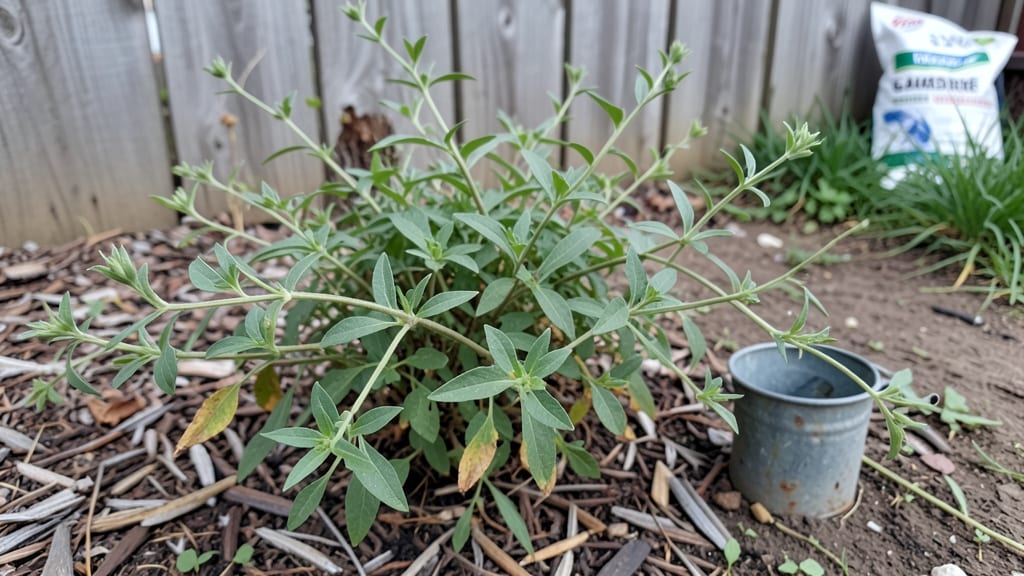
Calibrachoa not flowering can feel like a gut punch after all that hope—those tiny petunias just should be bursting with color by now. 🌸 I’ve nursed back more than a few leggy, bare-stemmed plants, and the fixes are simpler than you’d think: light, food, and a little strategic trimming.
Most gardeners overlook one key factor that’s starving their calibrachoa of blooms.
The biggest culprits? Too little sunlight (they need 6+ hours daily), weak fertilizer (they’re heavy feeders but hate overdoing nitrogen), and lack of deadheading. I’ve seen plants turn around in 3-5 days after just one adjustment—like when I moved a pot from partial shade to full morning sun.
Check for yellowing leaves or sparse stems too; those are red flags.
By the end of this, you’ll have calibrachoa spilling over pots with vibrant blooms in 2-3 weeks. The secret isn’t fancy tricks—it’s paying attention to what they’re actually telling you. Think of it as a conversation: they’re saying, “Feed me, light me up, and I’ll reward you.”
Works for hanging baskets, containers, or in-ground plantings—just tweak the care slightly for each setup. Let’s get those flowers back where they belong.
Why it happens
When your calibrachoa (often called "million bells") refuses to burst into color, it’s usually a sign that one or more of its basic needs aren’t being met. These delicate annuals thrive on balance—too much of one thing (like sunlight) and too little of another (like nutrients) can throw them off.
Let’s break down the key culprits behind those stubbornly bare stems and how they disrupt flowering.
🌡️ Temperature & Light Struggles
Calibrachoas are tropical at heart and demand consistent warmth and light to trigger blooming. If temperatures dip below 50°F (10°C) or rise above 90°F (32°C) for prolonged periods, their metabolic processes slow or shut down entirely.
- Cool Weather Woes: Below 50°F, photosynthesis plummets, starving the plant of energy needed to produce flowers. Even a single night of chilly temps can delay blooming by weeks.
- Too Much Heat: Above 90°F, calibrachoas bolt (send up long, leafless stems) or develop bud drop, where flowers abort before opening. High heat also stresses roots, reducing nutrient uptake.
- Light Deficiency: These plants crave 6–8 hours of direct sunlight daily. Shade (even partial) causes etiolation—stretched, weak stems with few buds. Artificial grow lights can help in low-light spots, but they won’t replace natural UV exposure.
💧 Water & Moisture Imbalances
Calibrachoas hate dry feet but despise waterlogged roots even more. Both extremes disrupt nutrient absorption and hormonal signals that prompt flowering.
- Underwatering: When soil dries out, the plant conserves energy by halting flower production and focusing on survival. Wilting leaves or crispy edges are red flags.
- Overwatering: Soggy roots suffocate the plant, preventing it from accessing phosphorus and potassium—two critical nutrients for blooming. Root rot also blocks water and nutrient flow to buds.
- Inconsistent Watering: Fluctuating moisture levels confuse the plant’s circadian rhythms, delaying flower initiation. Aim for 1 inch of water per week, keeping soil evenly moist but not soggy.
🌱 Nutrient Deficiencies & Overloads
Flowers are a plant’s reproductive investment, and they won’t happen without the right fuel. Calibrachoas need a balanced diet with a focus on specific nutrients.
| Nutrient | Role in Flowering | Signs of Deficiency |
|---|---|---|
| Phosphorus (P) | Triggers flower initiation and root development. | Dark green leaves, stunted growth, no buds. |
| Potassium (K) | Regulates water uptake and stress resistance, keeping buds healthy. | Yellowing leaf edges, weak stems, bud drop. |
| Nitrogen (N) | Supports leafy growth, but too much delays flowering. | Lush foliage but no flowers; leggy, sparse stems. |
| Magnesium (Mg) | Helps photosynthesis and chlorophyll production. | Yellow patches between leaf veins (interveinal chlorosis). |
Pro Tip: Use a balanced, water-soluble fertilizer (10-10-10 or 20-20-20) every 2–3 weeks during the growing season. For a bloom boost, switch to a high-phosphorus formula (5-10-5) when buds form.
🌿 Overcrowding & Poor Airflow
Calibrachoas are compact but not competitive. When packed too closely, they compete for resources (light, water, nutrients) and become stressed, diverting energy away from flowers.
- Root Bound Stress: Overcrowded roots can’t absorb enough oxygen or water, leading to stunted growth and aborted flower buds.
- Fungal Diseases: Poor airflow creates humidity traps, inviting powdery mildew or botrytis, which consume buds before they open.
- Competition for Light: Shady neighbors (like tall tomatoes or peppers) block sunlight, triggering etiolation and reduced flowering.
Fix It: Space plants 8–12 inches apart and prune nearby competitors to ensure unobstructed sunlight.
🧪 Hormonal & Environmental Triggers
Calibrachoas rely on day length and hormonal cues to bloom. Disrupt these, and they’ll stall in "vegetative mode."
- Short Day Length: These plants are day-neutral but still need 12+ hours of light to initiate flowers. Long nights (below 12 hours) can delay blooming.
- Lack of Pruning: Without regular deadheading (removing spent blooms), the plant wastes energy on seed production instead of new flowers.
- Stress from Transplant Shock: Recently planted calibrachoas may pause flowering for 2–4 weeks while they establish roots. Avoid fertilizing or pruning during this time.
Revive Your Calibrachoa’s Blooms
If your Calibrachoa (or "million bells") is throwing a no-show on flowers, don’t panic! With a few targeted tweaks, you can coax those vibrant blooms back into action.
Below, we’ve mapped out the most common culprits and the simplest fixes—plus tips to keep your plants flowering like crazy all season. 🌸
🌞 Not Enough Sunlight? Boost Brightness
Calibrachoas are sun-worshippers, and if they’re not getting 6–8 hours of direct sunlight daily, they’ll focus on leaves instead of flowers.
How to Fix It:
- 🔥 Move to a Sunnier Spot: Gradually shift pots to a brighter location (sudden moves can shock them). South- or west-facing windows or containers are ideal.
- 🍳 Use Grow Lights: If outdoor space is limited, a simple LED grow light (12–16 hours/day) can work wonders.
- 🌡️ Monitor Temperature: If nights dip below 50°F (10°C), blooms may slow. Use row covers or move pots indoors temporarily.
💡 Prevention Tips:
- Plant in full sun from the start—avoid shaded corners.
- If growing in containers, choose light-colored pots to reflect heat (darker pots can overheat roots).
💧 Overwatering or Poor Drainage? Fix the Roots
Soggy roots or inconsistent watering can stress plants, halting flower production. Calibrachoas prefer consistent moisture but hate "wet feet."
How to Fix It:
- 👨🍳 Check the Soil: Stick your finger 1 inch deep—if it’s damp, wait to water. If dry, give a thorough soak until water drains freely from the bottom.
- ⏰ Water in the Morning: This reduces evaporation and fungal risks (like powdery mildew, which can block blooms).
- 🔪 Upgrade Containers: Ensure pots have drainage holes. Add a layer of perlite or gravel at the bottom to improve airflow.
🌡️ Prevention Tips:
- Use well-draining potting mix (add sand or coco coir if needed).
- Group pots together to create a microclimate that retains moisture evenly.
🍽️ Nutrient Imbalance? Feed the Right Way
Too much nitrogen = lush leaves, zero flowers. Calibrachoas need a balanced or phosphorus-rich fertilizer to bloom.
How to Fix It:
- 📊 Switch to Bloomer Formula: Use a 5-10-5 or 10-20-10 fertilizer (high phosphorus = more flowers). Dilute to half-strength to avoid burning roots.
- 🥗 Feed Regularly: Fertilize every 2–3 weeks during the growing season (spring to fall).
- 🍎 Flush the Soil: If you’ve over-fertilized, leach excess salts by watering thoroughly with plain water for 10 minutes.
✨ Prevention Tips:
- Avoid high-nitrogen fertilizers (like lawn food).
- For container plants, use slow-release granules mixed into soil for steady nutrients.
🌡️ Temperature or Stress? Create Ideal Conditions
Calibrachoas thrive in warmth (60–85°F / 15–29°C). Extreme heat, cold snaps, or transplant shock can stall blooms.
How to Fix It:
- 🌡️ Shield from Heat Stress: If temps exceed 90°F (32°C), provide afternoon shade with a light cloth or lattice.
- 🔥 Harden Off New Plants: If recently transplanted, acclimate gradually to outdoor conditions (1–2 hours/day, increasing over a week).
- 🥶 Protect from Cold: If nights drop below 50°F (10°C), move pots to a sheltered spot or indoors near a sunny window.
🎯 Prevention Tips:
- Plant after the last frost in your zone.
- Choose heat-tolerant varieties (like Calibrachoa ‘Superbells’) for hot climates.
🐛 Pests or Disease? Inspect and Treat
Spider mites, aphids, or fungal diseases can sap energy, leaving your calibrachoa too weak to bloom.
How to Fix It:
- 🔪 Spot-Check Leaves: Look for sticky residue (aphids), webbing (spider mites), or white powder (mildew).
- 💦 Blast Off Pests: Spray plants with water to dislodge pests, then apply neem oil or insecticidal soap.
- 🌡️ Improve Airflow: Space plants 3–6 inches apart to reduce humidity-related diseases.
💡 Prevention Tips:
- Inspect new plants before bringing them indoors.
- Use reflective mulch (like aluminum foil) to deter pests.
With these fixes, your calibrachoa should be bursting with blooms in no time! Remember: consistency is key—adjust one thing at a time (like sunlight or fertilizer) to pinpoint what’s working. Happy gardening! 🌺✨
Frequently asked questions
Why isn’t my calibrachoa producing flowers despite proper care?
Lack of blooms often stems from imbalanced nutrients—especially too much nitrogen (which promotes leaves) or too little phosphorus (which triggers flowers). Check for dark green leaves with sparse stems or yellowing edges—these are classic signs. Switch to a high-phosphorus fertilizer (like 5-10-5) and reduce nitrogen-heavy feeds.
How much sunlight does calibrachoa need to encourage flowering?
These plants crave 6–8 hours of direct sunlight daily to bloom prolifically. If your calibrachoa is in partial shade, move it to a sunnier spot gradually—sudden shifts can stress it. South- or west-facing locations work best, and grow lights (12–16 hours/day) can help indoors.
What should I do if my calibrachoa is leggy and bare-stemmed?
Leggy growth usually means it’s stretching for light. Prune the top 1/3 of the plant to encourage bushier growth, then move it to a brighter spot. Avoid fertilizing with high-nitrogen products—opt for a blooming-specific formula instead. New growth should fill in within 2–3 weeks.
Can overwatering prevent calibrachoa from flowering?
Soggy roots disrupt nutrient absorption, starving the plant of phosphorus and potassium—key nutrients for blooms. Let the top 1 inch of soil dry out between waterings, and ensure pots have drainage holes. Overwatering also invites root rot, which weakens the plant further.
Why do calibrachoa flowers keep dropping before opening?
Bud drop often signals stress from extreme heat (above 90°F), inconsistent watering, or pests like spider mites. Provide afternoon shade in hot climates, water consistently, and inspect leaves for webbing or sticky residue. A light spray of neem oil can also deter pests.