
Shrubs
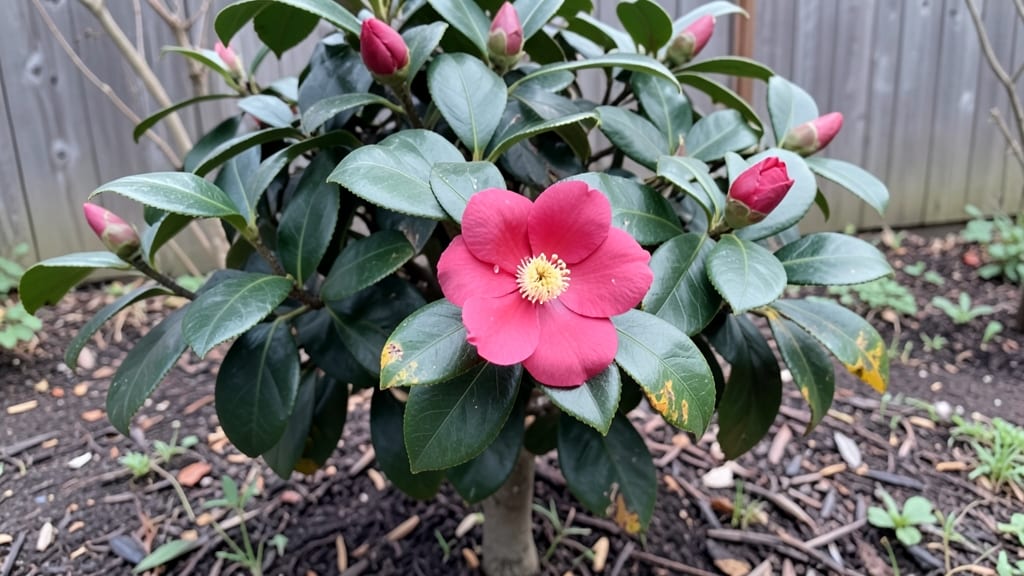
Growing a thriving camellia flower tree 🌸 means unlocking its year-round beauty—but only if you nail the basics like soil, sunlight, and seasonal care.
The camellia flower tree’s lush foliage and stunning blooms make it a prized addition to any garden—but only if you master its unique care needs, from sun exposure to seasonal pruning.
Too much sun scorches the leaves, while too little shade means fewer blooms. Zone 7-9 gardeners know the secret: morning light and afternoon shade, paired with acidic soil, keeps these trees happy for decades.
In this guide, I’ll walk you through planting in fall or early spring, the watering schedule that prevents root rot, and the pruning tricks that keep your camellia flowering like crazy—even in winter.
How to choose the right camellia variety for sun or shade
Selecting the perfect camellia flower tree depends on your garden’s light conditions and climate zone. These stunning evergreens thrive in partial shade but can adapt to morning sun with afternoon protection. The key lies in matching variety traits to your specific microclimate for year-round blooms.
Camellias come in three main types: Japanese, Sasanqua, and hybrid varieties, each with unique light preferences. Japanese camellias, known for their large, showy flowers, prefer dappled shade, while hardier Sasanqua varieties tolerate more sun.
Understanding these differences ensures your camellia tree thrives in your garden’s conditions.
| Variety | Light Needs | Bloom Season | Hardiness Zones | Mature Height |
|---|---|---|---|---|
| Japanese Camellia | Partial shade (4-6 hours sun) | Winter to early spring | 7-9 | 6-15 ft |
| Sasanqua Camellia | Partial sun to shade (6-8 hours sun) | Fall to winter | 7-10 | 6-12 ft |
| Hybrid Camellia | Partial shade (4-6 hours sun) | Year-round (seasonal) | 7-9 | 8-15 ft |
If your garden receives morning sun with afternoon shade, Japanese camellias like 'Yuletide' or 'Kramer's Supreme' are excellent choices. These varieties produce large, glossy blooms in winter and early spring, perfect for adding color to darker corners.
Their preference for partial shade makes them ideal for understory planting or near north-facing walls.
For sunnier spots, consider Sasanqua camellias, which bloom later in the season and handle more direct sunlight. Varieties like 'Bonanza' or 'Shishi Gashira' thrive with 6-8 hours of sun and offer fragrant flowers from fall to winter.
These are great for USDA zones 7-10, making them more adaptable to cooler climates.
Hybrid camellias, like 'Spring's Promise' or 'Nuccio's Gem', blend the best traits of both types. They tolerate partial shade but can also handle morning sun exposure, producing blooms from late fall through spring. Their year-round interest makes them versatile for various garden settings.
When selecting a camellia flower tree, also consider your local climate. In warmer zones (8-9), opt for varieties that tolerate afternoon shade to prevent leaf scorch. In cooler zones (7), choose hardier Sasanqua types that bloom earlier and withstand light frosts better.
Pro tip: Test your garden’s light conditions by observing how nearby plants perform. If hostas or ferns thrive in your spot, it’s likely ideal for Japanese camellias. For sunnier areas where roses or lavender grow well, Sasanqua camellias will likely excel.
Don’t forget to check your soil pH—camellias thrive in acidic soil (5.5-6.5). If your garden soil is alkaline, amend it with peat moss or sulfur before planting. Proper soil preparation is just as critical as choosing the right light conditions for your camellia flower tree.
With the right variety selection and light placement, your camellia will reward you with vibrant blooms and lush foliage for years to come. Start by matching your garden’s conditions to the camellia type that fits best—your garden’s winter wonderland awaits!
Step-by-step seasonal care guide for year-round camellia blooms
Your camellia flower tree thrives on consistent care, but seasonal adjustments are key to keeping those glossy leaves and showstopping blooms year-round. Unlike many plants, camellias demand precise watering, targeted pruning, and season-specific feeding to reward you with vibrant flowers from late fall through spring.
Let’s break down the monthly maintenance checklist to maximize your camellia’s potential, whether it’s basking in morning sun or thriving in partial shade.
Spring is when your camellia wakes up from dormancy, so early-season tasks like light pruning and acidic fertilizer application set the stage for lush growth. Summer requires deep watering to combat heat stress, while fall focuses on pest prevention and preparing for winter dormancy.
Even winter has a role—minimal watering and protecting from frost ensure your tree returns stronger next season. Follow this guide to keep your camellia blooming beautifully, no matter the weather.
🌱 Seasonal Camellia Care Checklist
- Spring March-May: Prune dead or crossing branches after blooming. Apply acidic fertilizer (8-10-10) every 4-6 weeks. Water deeply once weekly to encourage root growth.
- Summer June-August: Reduce fertilizer to half-strength to avoid leaf burn. Water bi-weekly with deep soaks (1-2 gallons per tree). Monitor for spider mites and treat with neem oil if needed.
- Fall September-November: Stop fertilizing by October to encourage dormancy. Prune lightly to shape and remove spent blooms. Apply 2-3 inches of mulch to protect roots from frost.
- Winter December-February: Water sparingly (bi-weekly) unless in USDA Zone 8 or colder. Check for winter burn on leaves and protect young trees with burlap wraps if temps drop below 20°F.
One of the most critical spring tasks is pruning after blooming. This removes weak or crowded branches while allowing light to reach inner foliage. Use sterilized pruners to prevent disease spread, and never prune more than 25% of the canopy in a single season.
For Sasanqua camellias, which bloom in fall, prune just after their flowers fade to avoid cutting off next year’s buds.
Summer care often gets overlooked, but consistent moisture is non-negotiable. Camellias hate dry soil, so mulching with pine bark helps retain humidity. If your tree is potted, water every 5-7 days—small containers dry out faster.
Watch for yellowing leaves, a sign of overwatering or nutrient deficiency. A quick soil test can confirm if your camellia needs iron supplements or a shift to well-draining soil.
Fall is your chance to prepare for winter dormancy. Light pruning now removes dead growth and improves airflow, reducing fungal risks. Add organic mulch like pine straw to insulate roots, and consider wrapping young trees in burlap if your winters dip below 20°F.
Avoid fertilizing—your camellia needs this break to replenish energy for next year’s blooms.
Even in winter, a little preventative care goes a long way. Minimal watering prevents root rot, and a light dusting of mulch adds extra insulation. If you notice brown leaf edges, it’s likely winter burn from cold winds.
Move potted camellias to a protected spot or cover them with frost cloth until spring. With these seasonal tweaks, your camellia flower tree will reward you with bold blooms for years to come.