
Plants
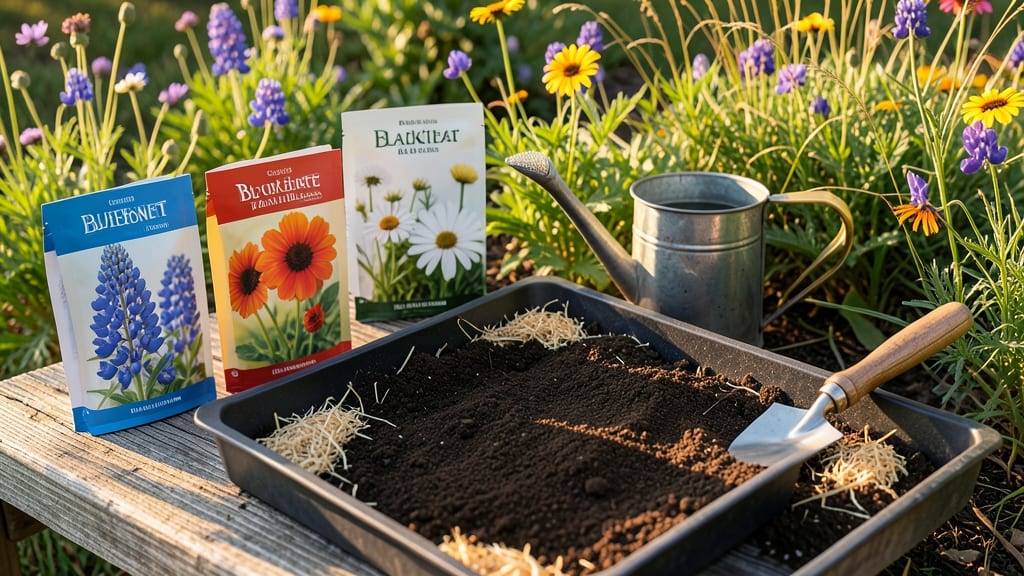
Planting wildflower seeds in Texas at the right time means the difference between a sea of bluebonnets and a patch of dirt — and the best months depend on your heat zone.
Texas wildflowers transform landscapes into vibrant bluebonnet meadows—but timing your planting is everything. Plant too early, and frost kills your seeds; too late, and summer heat stifles growth. Here’s the exact schedule for each Texas heat zone to maximize blooms.
Fall is the golden window for most Texas wildflowers, especially in zones 8a–10b, where cooler temperatures help seeds germinate without the stress of summer’s intensity. But spring planting works too, if you choose the right species for your area.
Below, I break down the best months by region, soil prep tips to avoid common mistakes, and how to keep your wildflowers thriving once they sprout.
Texas wildflower planting calendar by heat zones (Zone 8a–10a)
Timing your wildflower seeds in Texas depends on your USDA heat zone and whether you’re planting cool-season or warm-season varieties. In Zone 8a–10a, frost dates vary dramatically—from late February in North Texas to near year-round warmth in South Texas.
Fall planting is ideal for most native wildflowers, but spring and even winter options exist for specific species.
For Zone 8a (North Texas, including Dallas and Fort Worth), aim to plant bluebonnets and Indian paintbrush between mid-October and November. This gives seeds time to germinate before winter dormancy.
In Zone 9a–10a (Houston, Austin, San Antonio), you can extend planting into December or even January for cooler-season blooms like wild phlox and Mexican hat.
Here’s a breakdown of the best planting windows by zone, including perennial vs. annual wildflowers and key species to prioritize:
| Zone | Best Planting Months | Wildflower Types | Notes |
|---|---|---|---|
| 8a (Dallas, Fort Worth) | October–November | Bluebonnets, Indian paintbrush, wild phlox | Cool-season perennials; avoid planting after first frost. |
| 9a (Austin, Waco) | September–December | Mexican hat, coreopsis, black-eyed Susan | Extend into winter for spring blooms; drought-resistant picks. |
| 9b–10a (Houston, San Antonio) | October–February | Blanket flower, salvia, evening primrose | Warm winters allow later planting; annuals thrive year-round. |
| All Zones | March–April | Sunflowers, zinnias, cosmos (annuals) | Spring planting for summer color; high water needs early on. |
In Zone 8a, prioritize fall planting for bluebonnets (Lupinus texensis). These cool-season perennials need a 60-day chill period to germinate properly. Scatter seeds in October and lightly rake them into the soil—no need to bury them deeply. By February, you’ll see vibrant blue blooms carpeting your landscape.
For Zone 9a–10a, warm-season annuals like Mexican hat (Ratibida columnifera) and blanket flower (Gaillardia pulchella) can be sown as early as September or even October. These species thrive in full sun and drought conditions, making them perfect for Texas’s hot summers.
Plant them in late fall for spring blooms or directly sow in winter for summer color.
Don’t overlook winter planting in Zone 10a (South Texas). Species like evening primrose (Oenothera) and sundrops (Calylophus) germinate in cool winter months and bloom by March. This strategy skips the summer heat entirely, giving seedlings a head start. Just ensure your soil isn’t waterlogged—Texas winters can bring unexpected rains.
If you missed fall planting, spring sowing is your next best option. Plant annual wildflowers like cosmos and zinnias in March for summer-long blooms. These fast-growing annuals tolerate heat once established but require consistent moisture during germination.
Water lightly every 2–3 days until seeds sprout, then taper off to weekly watering.
Pro tip: Mulch lightly after planting to retain moisture and suppress weeds. Use straw or pine needles—avoid thick layers, as wildflowers need light to germinate. In Zone 10a, mulch can also protect seeds from intense afternoon sun during winter planting.
Remember, soil prep is key regardless of season. Loosen the top 2 inches of soil and remove debris to ensure good seed-to-soil contact. For clay-heavy soils common in Central Texas, amend with compost to improve drainage.
In sandy soils (like those in West Texas), a thin layer of peat moss helps retain moisture.
Finally, avoid planting in extreme heat. Seeds sown in June or July often fail to germinate due to soil temperatures exceeding 90°F. If you’re desperate for summer color, opt for transplanted seedlings instead of direct sowing.
Best wildflower seed types for Texas conditions (drought-resistant picks)
Choosing the right drought-resistant wildflowers for Texas means selecting native species that thrive in our hot summers and variable rainfall. My top picks balance beauty, resilience, and ecological benefits, like supporting pollinators while requiring minimal water once established.
Native species like Lupinus texensis (bluebonnet) and Gaillardia pulchella (blanket flower) dominate Texas roadside blooms for a reason—they’re tough, colorful, and adapted to our climate. These varieties also self-seed easily, creating natural meadows that require little maintenance after the first year.
For early spring blooms, Lupinus texensis (bluebonnet) is my #1 recommendation—its vibrant blue flowers are iconic in Texas and attract honeybees early in the season. Plant seeds in fall (October-November) for spring blooms, and they’ll return year after year with minimal care.
Gaillardia pulchella (blanket flower) offers long-lasting summer color in shades of red, yellow, and orange. It thrives in poor, rocky soil and blooms from June through October, making it perfect for low-water landscapes. Scatter seeds in late winter (February) for summer displays.
If you want continuous color, mix Coreopsis tinctoria (tickseed) with your bluebonnets. This yellow wildflower blooms from May to September and handles full sun and heat like a champ. Its self-seeding habit ensures it spreads naturally over time.
For hummingbird magnet potential, Salvia leucantha (Mexican bush sage) is a standout. Its velvety purple spikes bloom from August to frost and require almost no water once established. Plant seeds in early spring (March) for fall blooms.
Pro tip: Mulch lightly after planting to retain moisture, but avoid thick layers that can smother seeds. Most Texas wildflowers prefer well-draining soil and full sun—so choose sunny spots and let nature do the rest. 🌱