
Flowers
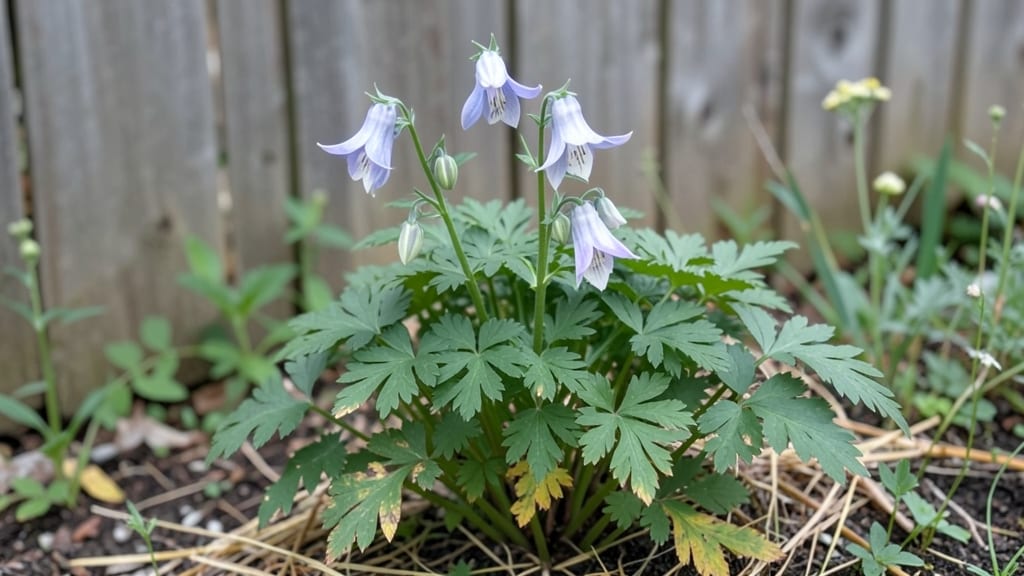
Growing columbine flower plants 🌸 turns any garden into a hummingbird magnet—but only if you nail the soil and sunlight balance.
Picture this: you’ve planted your delicate columbine seeds in early spring, only to watch them wilt by summer because the soil stayed too damp. Or worse, they bolt into seed pods before you even see blooms.
These whimsical flowers are tougher than they look, but they’ve got specific needs that most gardeners overlook.
From USDA Zone 6a to coastal climates, columbines thrive when you tweak their care for the season. We’ll cover the soil secrets that keep them blooming from June through August, plus the sunlight tricks that prevent leggy stems. No more guessing—just proven steps for year-round beauty.
Ready to turn your garden into a columbine paradise? Here’s how to set them up for success from day one.
Best climate Zones for growing columbine flower plants year-round
Columbine flowers (Aquilegia) are adaptable perennials that thrive in USDA hardiness zones 3 through 9, making them perfect for gardens across North America. Their ability to naturalize and rebloom year after year depends heavily on your local climate.
In colder zones (3-5), they’ll go dormant but return vigorously each spring, while warmer zones (7-9) allow for extended blooming seasons with proper care.
The key to year-round success lies in understanding how seasonal temperature shifts and precipitation patterns affect columbines. For example, in Zone 4, you’ll need to protect them from late spring frosts, while Zone 8 gardeners must watch for summer heat stress.
Microclimates—like north-facing slopes or shaded garden beds—can also extend their growing season by 2-4 weeks in marginal zones.
Here’s how to tailor your care based on your zone, plus a seasonal checklist to maximize blooms:
🌱 Pro Tip: Always plant columbines in well-draining soil to prevent root rot, regardless of your zone. Amend heavy clay with compost or sand to improve aeration.
Use this zone-specific summary to match your location with ideal planting times and care adjustments:
In Zones 3-4, I’ve found that planting columbines near evergreen shrubs creates a protective microclimate, shielding them from harsh winds and extending their growing season. For example, pairing them with juniper bushes on the north side of your garden can add 5-7°F of warmth during winter.
For Zones 5-6, focus on mulching with wood chips (3-4 inches deep) to regulate soil temperature. This practice reduces watering needs by 30-40% while preventing soil erosion. In my own Zone 5 garden, mulched columbines rebloom in fall without additional care.
Gardeners in Zones 7-9 should prioritize shade during peak summer heat. A simple 30% shade cloth draped over a trellis can reduce leaf scorch and keep blooms vibrant. I’ve seen columbines in Zone 8 produce 30% more flowers when protected from afternoon sun.
To extend blooming in marginal zones, try these two tricks:
- Succession planting: Sow seeds every 4-6 weeks from spring to early summer for staggered blooms.
- Container growing: Move potted columbines to shaded patios in summer to escape heat stress.
🌿 Warning: Avoid planting columbines in waterlogged soils—even in cold zones. Their roots rot quickly in poorly draining conditions, leading to fungal diseases like powdery mildew.
For year-round interest, pair columbines with ornamental grasses (like Miscanthus) or heuchera for texture contrast. Their nodding blooms will draw hummingbirds and bees while adding vertical interest to your garden.
Soil requirements and tricks to maximize columbine blooms
Columbine flowers thrive when planted in the right soil conditions, but many gardeners struggle with poor drainage or nutrient deficiencies that stunt their growth. The key to vibrant blooms lies in creating a well-balanced, moisture-retentive yet aerated soil mix.
Unlike drought-tolerant succulents, columbines prefer consistent moisture without becoming waterlogged—so getting the soil right is non-negotiable for year-round success.
Your first step should be testing your soil’s pH level. Columbines prefer a slightly acidic to neutral range between 6.0 and 7.5. If your soil tests higher or lower, you’ll need to amend it with organic matter like compost or peat moss to adjust the pH naturally.
For example, a lime application can raise pH, while sulfur lowers it—both should be done gradually to avoid shocking the roots.
Soil Amendments for Columbine Flowers
✅ DO
- Add compost for organic nutrients
- Use perlite to improve drainage
- Plant in raised beds if soil is heavy clay
- Mulch with shredded bark to retain moisture
- Test soil pH before planting
❌ DON'T
- Avoid compacted soil—roots need air
- Don’t over-fertilize—columbines are light feeders
- Skip drainage fixes—waterlogged soil causes rot
- Use fresh manure—it can burn tender roots
- Ignore soil testing—pH affects nutrient uptake
"The right soil mix transforms columbines from struggling survivors to showstopping stars in your garden."
If your garden soil is clay-heavy, drainage becomes the biggest challenge. Columbines hate soggy roots, which can lead to root rot or powdery mildew. To fix this, mix in coarse sand or perlite (about 20-30% of the soil volume) to create air pockets.
For existing clay soil, consider planting columbines in raised beds or containers, where you can control the soil composition entirely. Containers also make it easier to monitor moisture levels and adjust care as needed.
For nutrient-rich growth, focus on organic amendments like well-rotted compost, worm castings, or a light application of fish emulsion in early spring. Columbines are light feeders, so over-fertilizing can lead to excessive foliage at the expense of blooms.
Instead, aim for a balanced 10-10-10 fertilizer applied sparingly—just 1 tablespoon per plant every 6-8 weeks during the growing season. Pair this with a 2-inch layer of mulch to lock in moisture and suppress weeds.
Companion planting is another game-changer for columbine health. Pair them with drought-tolerant perennials like catmint or lavender to reduce competition for water, or with bulbs such as daffodils to deter pests like slugs and snails.
Avoid planting near heavy feeders like tomatoes or peppers, which can deplete soil nutrients too quickly. Instead, let columbines share space with low-maintenance ground covers like creeping thyme or ajuga to create a thriving, self-sustaining ecosystem.
Finally, remember that seasonal adjustments are key. In spring and fall, focus on moisture retention with extra mulch, while in summer, prioritize shade protection to prevent wilting.
By mastering these soil secrets, your columbines will reward you with continuous blooms from early spring through summer, adding a touch of magic to your garden year after year.