
Shrubs
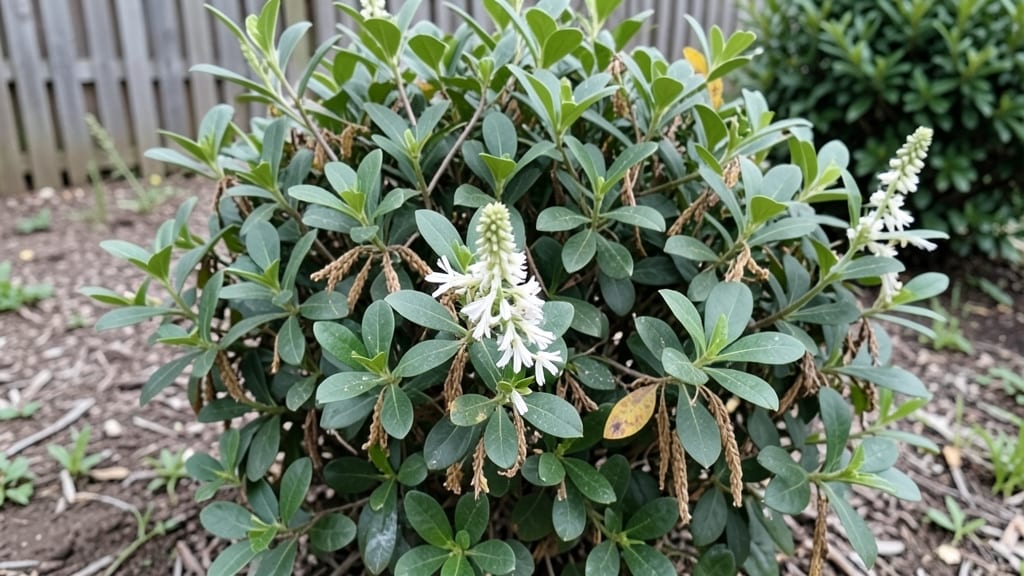
Your common privet flowers 🌿 can transform from a seasonal splash of white to a year-round floral show with the right care—and it starts with knowing when and how to prune.
Privet shrubs burst with fragrant white flowers, but their full beauty only unfolds with the right pruning strategy—turning seasonal blooms into year-round floral displays.
Most gardeners focus on planting and watering, but skipping pruning means missing out on denser foliage and longer bloom seasons. The key? Timing cuts to encourage new growth while preserving old wood that holds next year’s buds.
In this guide, I’ll walk you through step-by-step pruning techniques, the best tools to use, and how to spot common mistakes that can kill your shrub’s flowering potential.
Identifying common privet flowers and their pruning needs
Privet shrubs (Ligustrum spp.) are prized for their fragrant white flowers and lush foliage, but not all varieties bloom the same way. The common privet (Ligustrum vulgare) and Chinese privet (Ligustrum sinense) are two popular types, each with distinct pruning needs to maximize flowering.
Understanding these differences ensures your shrubs thrive year-round.
One key factor is bloom timing. European privet (L. vulgare) flowers in late spring to early summer, while Chinese privet (L. sinense) blooms slightly later, often in mid-to-late summer. These timelines directly impact when—and how—you should prune for optimal results.
Pruning European privet (L. vulgare) in late winter or early spring (before buds swell) is ideal. This timing ensures you remove old, woody growth while leaving next year’s flower buds intact.
For Chinese privet (L. sinense), a two-step approach works best: light pruning in early spring to shape, followed by heavier cuts in late fall after blooms fade.
Never prune privet shrubs in mid-summer, as this can stunt new growth and reduce next year’s flowers. Instead, focus on deadheading spent blooms throughout the season to encourage continuous flowering. This simple step extends the blooming window by weeks, especially for reblooming varieties like Ligustrum ovalifolium.
For dense hedges, prune three times a year: once in late winter for structure, again in summer to maintain shape, and finally in fall to clean up.
Use sharp, clean shears and make cuts at a 45-degree angle just above a leaf node to promote healing and new growth.
Watch for over-pruning signs, like sparse foliage or no flowers. If your privet looks stressed, reduce pruning intensity and focus on fertilizing in spring with a balanced 10-10-10 NPK to encourage recovery. Mulch around the base to retain moisture and protect roots during hot summers or cold winters.
In USDA Zones 6-9, privet thrives with minimal care, but young shrubs benefit from annual pruning to establish strong branches. Mature privets can handle light annual pruning to maintain shape without sacrificing blooms. Always step back after pruning to check for balanced symmetry—this ensures even growth and flowering.
If your privet isn’t blooming, check for nutrient deficiencies or pest damage. Yellowing leaves may signal overwatering, while brown tips often point to underwatering or high salt levels in soil. Adjust your care routine accordingly to restore health and encourage vibrant flowers.
With the right pruning strategy, your privet can bloom continuously from spring to fall. Start by identifying your variety, then follow its unique pruning timeline. Soon, your garden will be filled with the sweet fragrance of privet flowers year after year.
Step-by-step pruning guide for year-round privet blooms
Pruning your common privet flowers at the right time transforms their blooming cycle from seasonal to year-round. The key lies in understanding late winter/early spring pruning—when your shrub is just waking up but before new growth begins.
This timing ensures you remove dead or weak branches while stimulating fresh, vibrant blooms for months to come.
Start by identifying healthy vs. dead branches. Healthy branches have green bark and flexible stems, while dead ones appear brown, brittle, or hollow. Look for suckers at the base—these compete with your main plant for nutrients.
Removing them early gives your privet the energy it needs for abundant white flower clusters.
Your Step-by-Step Pruning Plan
After pruning, your common privet flowers will reward you with denser foliage and longer bloom seasons. The secret is consistency—repeat this process every late winter/early spring to maintain shape and encourage new growth. For hedge privets, prune lightly after each flowering cycle to keep them compact.
Pro tip: Use a 10-10-10 fertilizer after pruning to support recovery. Water deeply at the base to reduce stress. Within weeks, you’ll see fresh green shoots and a surge in fragrant white blooms—proof that your pruning paid off!
🌿