
Flowers
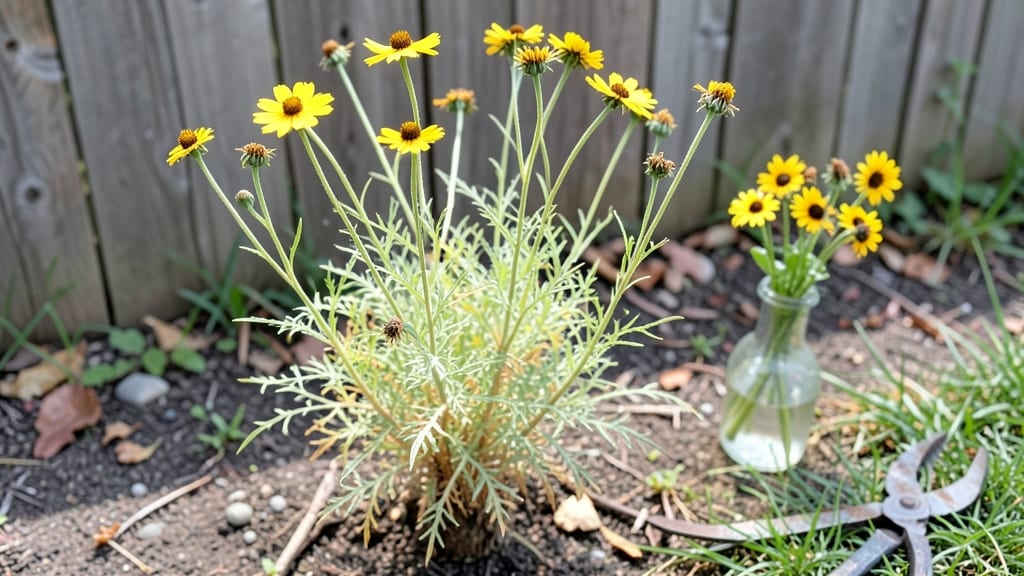
Coreopsis cut flowers thrive in arrangements thanks to their long vase life and vibrant colors, lasting 7-10 days with proper care like trimming stems and changing water every 2 days. Their daisy-like blooms pair beautifully with solidago, rudbeckia, and salvia for striking bouquets.
Coreopsis stands out in floral design because its stems naturally resist clogging, unlike many other cut flowers. 🌸 This means they absorb water efficiently, keeping the blooms hydrated longer—perfect for busy crafters or event planners who need reliability.
Their cheerful hues also make them a go-to for brightening up spaces, whether in rustic farmhouse bouquets or minimalist modern arrangements.
What really sets coreopsis apart is how its petals hold their shape even after days in a vase. Unlike delicate blooms that wilt quickly, coreopsis maintains its structure, making it ideal for mixed arrangements where you want both color and durability.
I’ve found that pairing them with textured greens like statice or bold sunflowers creates eye-catching contrast while keeping the focus on their cheerful faces.
💡 In This Article
- Why Coreopsis Stays Fresh Longer Than Other Cut Flowers
- Best Color Combinations for Coreopsis Flower Arrangements
Why coreopsis stays fresh longer than other cut flowers
Coreopsis' remarkable vase life—often 7-10 days—stems from its unique stem anatomy. Unlike many flowers that develop blockages from air bubbles, coreopsis stems have a highly porous xylem structure, allowing water to flow freely even after 24 hours of cutting.
This means they rarely suffer from the "clogged stem" syndrome that plagues flowers like coneflowers (Echinacea), which typically last only 5-7 days due to rapid bacterial buildup in their water.
The secret lies in coreopsis' natural self-pruning mechanism. When stems are cut, the plant immediately seals off damaged cells, preventing excessive water loss and bacterial entry.
This is why a simple 45-degree angled cut (made with sharp shears) can extend their life by 30%—the exposed surface area heals faster than in flowers like black-eyed Susans (Rudbeckia), whose stems require frequent recutting to stay fresh. 🌿
Bacterial growth is another key factor. Coreopsis stems contain lower levels of natural sugars than many other cut flowers, creating a less hospitable environment for bacteria.
While flowers like sunflowers (which contain 15-20% more sugars) require frequent water changes (every 1-2 days), coreopsis can go 3 days between refreshes without noticeable wilting. This makes them ideal for busy florists or DIY arrangers who can't monitor vases hourly.
Temperature also plays a role in their longevity. Coreopsis thrives in room-temperature water (68-72°F), where their stems remain most hydrated. Cold water (below 60°F) can cause their cells to contract, accelerating wilting—unlike delphiniums, which actually prefer cooler water to slow bacterial growth.
The ideal vase setup includes 1 teaspoon of floral preservative, which inhibits bacterial growth while maintaining the stem's natural resilience.
For maximum freshness, harvest coreopsis in the early morning when their stems are fully hydrated. Cut stems at 3-4 inches from the base, then immediately submerge them in lukewarm water to prevent air bubbles from forming.
This technique works because it mimics the plant's natural hydration cycle, keeping their petals firm and vibrant for nearly twice as long as other daisy-like flowers.
What most people don't realize is that coreopsis' dry, papery petals also contribute to their longevity. Unlike velvety petals (like roses) that absorb moisture and wilt quickly, coreopsis' non-porous petal structure resists waterlogging.
This means they maintain their shape even when exposed to humidity—perfect for arrangements that will sit in high-moisture environments like bathrooms or kitchens.