
Pruning
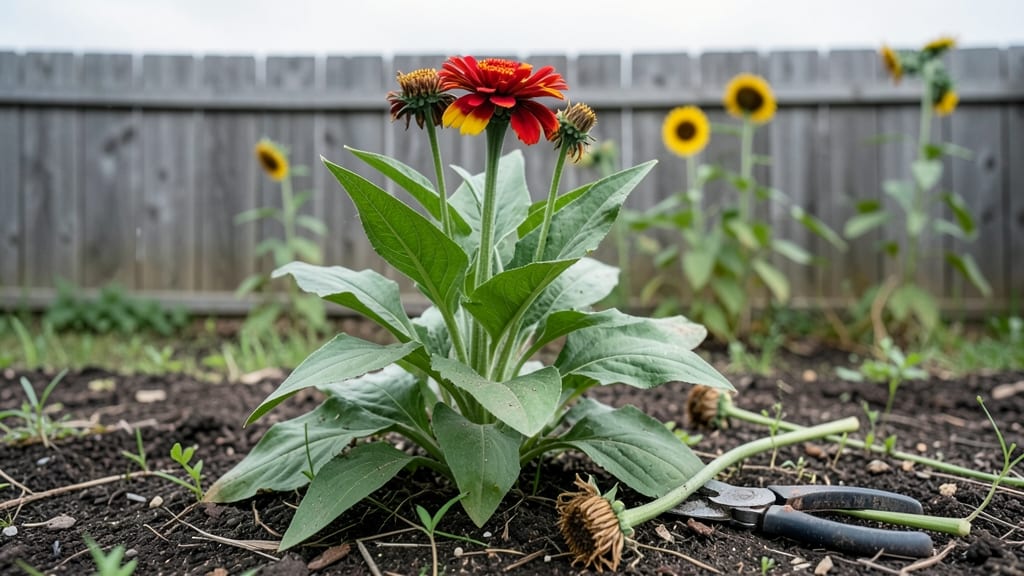
Deadheading spent flowers keeps your garden looking fresh and blooming longer—it’s the secret to neat, productive plants that don’t waste energy on seed production. I’ve seen gardens go from scattered, tired blooms to vibrant displays just by spending 10 minutes a week with a sharp pair of shears.
The key is timing: remove faded flowers before they set seed, and your plants will reward you with more buds and extended color.
The tools you’ll need are simple: clean pruners, gloves, and a small bucket for trimmings. For perennials like coneflowers or black-eyed Susans, cut back to the first set of healthy leaves. Annuals like petunias or zinnias respond well to a quick snip above a leaf node.
The goal is to encourage new growth without stressing the plant—over-trimming can lead to leggy stems or stunted blooms.
You’ll notice a difference within days: fresh, bright new buds appear where faded blooms once sat, and your garden stays lush longer into the season. Deadheading also improves air circulation, reducing the risk of fungal diseases.
The best time to deadhead is early morning, when plants are hydrated and you can spot spent blooms clearly.
Seasonal timing matters too. In spring, deadhead lightly to encourage early blooms, while summer’s heat demands more frequent trimming. Avoid deadheading late in the season for perennials—let some flowers go to seed to feed next year’s growth.
With this technique, your garden will stay neat, vibrant, and full of life all season long.
📚 In This Guide
- What you need
- Instructions
- Tips and common mistakes
- Wrapping up and next steps
What you need
- ● Pruning shears or sharp scissors: Choose a pair with bypass blades (clean cuts) or anvil blades (for tougher stems). A 5-inch size works best for most flowers.
- ● Gloves: Wear gardening gloves (nitrile or leather) to protect your hands from thorns and dirt.
- ● Deadhead spent flowers: Look for blooms with wilted petals, brown centers, or seed pods forming.
- ● Bucket or trash bag: A 5-gallon bucket or heavy-duty bag for collecting pruned flowers.
- ● Disinfectant (70% isopropyl alcohol or bleach solution): Wipe shears between cuts to prevent disease spread.
- ● Garden kneeler or stool: For comfort when working close to the ground.
- ● Label markers: If you’re dividing perennials, mark new plants with biodegradable tags.
- ● Compost bin: Repurpose pruned flowers as nutrient-rich compost!
Step-by-step instructions for deadheading spent flowers
Here’s how to extend your plants’ blooming season with minimal effort.
Identify Flowers Ready for Deadheading
Focus on spent blooms that have lost their color or begun to wilt. These are the ones that have already completed their flowering cycle and are now diverting energy toward seed production instead of new blossoms. Look for flowers that have dropped petals or appear brownish at the center—these are your targets. Avoid cutting healthy buds or partially open blooms, as this can stunt future growth.
I like to work on overcast mornings when the plants are slightly dewy. This makes it easier to spot which flowers are truly spent versus those that might still have life left in them. If you’re unsure, pinch off just the faded portion and leave the stem intact—you can always remove more later if needed.
Use the Right Tools for Clean Cuts
Sharp, clean pruners or even your fingers work best for deadheading. Avoid dull shears, as they crush stems and invite disease. If you’re using scissors or pruners, sterilize them first with rubbing alcohol to prevent spreading pathogens between plants. I keep a small bottle of 70% isopropyl alcohol in my gardening toolkit for this purpose—it’s quick and effective.
Make cuts at a 45-degree angle, about ¼ inch above a leaf node or lateral bud. This angle helps water run off the cut instead of pooling, which reduces rot risk. If you’re deadheading annuals like zinnias or marigolds, you can cut back to the first set of healthy leaves. For perennials like coneflowers or black-eyed Susans, trim just above the next set of leaves to encourage bushier growth.
Remove Spent Blooms Systematically
Start with one plant at a time to avoid overwhelming yourself. Hold the stem firmly with one hand and use your other hand to pinch or cut just above the designated node. For clusters like hydrangeas, you might need to remove entire spent flower heads—these often form at the tips of stems, so cutting back to a leaf node encourages new growth from the sides.
I find it helpful to work in sections: deadhead all the spent blooms on one branch before moving to the next. This keeps you organized and ensures you don’t miss any. If a plant has multiple stems, prioritize the oldest or most leggy ones first—they’ll benefit the most from a trim. For delicate flowers like roses, use your fingers to gently twist off the spent bloom rather than cutting, as this minimizes damage to the stem.
Encourage New Growth with Proper Technique
After deadheading, step back and observe your plant’s structure. You’ll often see new buds forming at the leaf nodes where you made your cuts—this is your reward for timely pruning. For woody perennials like lavender or rosemary, a light trim can also help shape the plant and prevent it from becoming too leggy over time.
Water the plant lightly after deadheading to help it recover from the minor stress of pruning. Avoid heavy watering immediately afterward, as this can lead to fungal issues if cuts aren’t fully healed. If you notice any yellowing leaves or wilting after trimming, it’s a sign the plant needs more frequent watering or better drainage—address this before the next round of blooms appears.
Maintain a Regular Deadheading Schedule
Consistency is key to keeping your plants blooming all season. Check your flowers every 3-5 days during peak bloom time, or whenever you notice wilting. Annuals often benefit from weekly deadheading, while perennials can sometimes go a bit longer between trims. I set a reminder on my phone for every Friday morning—it’s become a habit that keeps my garden looking fresh without much effort.
As the season progresses, you’ll develop a sense of which plants need more frequent attention. For example, impatiens and geraniums reward regular deadheading with nonstop blooms, while others like peonies only need a trim after their initial flush of flowers. Pay attention to how each plant responds, and adjust your schedule accordingly.
Tips & tricks for perfect deadheading
A few simple strategies will help you extend your garden's blooming season while keeping your plants healthy and vibrant.
Timing is Everything: The best time to deadhead is early in the morning when the plants are still slightly dewy. This makes it easier to identify truly spent blooms and reduces the risk of damaging healthy buds. Morning deadheading also gives your plants time to recover before the heat of the day. I've noticed that plants deadheaded in the morning often show new buds forming within 24-48 hours, whereas afternoon trimming can sometimes stress the plant more.
Tool Selection Matters: While fingers work well for delicate flowers, investing in a pair of sharp, clean pruners makes the job much easier for larger plants or clusters. I keep a small bottle of rubbing alcohol in my gardening toolkit specifically for sterilizing pruners between plants—this simple step prevents the spread of disease that can ruin your garden's health. The 45-degree angle cut mentioned in Step 2 isn't just about aesthetics; it's a horticultural best practice that promotes faster healing and reduces water pooling on the cut.
Plant-Specific Techniques: Different plants respond best to different deadheading approaches. For annuals like zinnias, cutting back to the first set of healthy leaves encourages bushier growth and more flowers. With perennials like coneflowers, I find that trimming just above the next set of leaves prevents legginess and promotes stronger stems. The key is to observe how each plant type responds—what works for roses might be too aggressive for delicate impatiens.
Post-Deadheading Care: After trimming, resist the urge to give your plants a heavy watering immediately. A light misting is sufficient to help them recover from the minor stress of pruning. I've learned this the hard way—overwatering right after deadheading can lead to fungal issues, especially in humid conditions. Instead, monitor your plants closely for the first few days, looking for signs of stress like yellowing leaves or wilting, which indicate they need either more water or better drainage.
Pro Tips for Deadhead Spent Flowers
- A few simple strategies will help you extend your garden's blooming season while keeping your plants healthy and vibrant.
- Timing is Everything: The best time to deadhead is early in the morning when the plants are still slightly dewy.
- Tool Selection Matters: While fingers work well for delicate flowers, investing in a pair of sharp, clean pruners makes the job much easier for larger plants or clusters.
Frequently asked questions
Got questions about deadheading spent flowers? You’re not alone! Here’s what gardeners often wonder—and how to tackle them like a pro.
How often should I deadhead my flowers?
Most annuals and perennials benefit from deadheading as soon as flowers fade—usually every 1–2 weeks. For perennials, wait until late summer to avoid cutting back growth that stores energy for next season. Pro tip: Check your plant’s care label or research its type (e.g., roses vs. zinnias) for specifics!
Can I deadhead in the fall?
Fall deadheading depends on your plant’s goals. For perennials, skip it after summer blooms to let seed heads feed roots. But for annuals or spent summer flowers (like dahlias), trim them back to encourage fresh growth or prevent self-seeding. Just don’t cut into woody stems—stop at the first green leaf!
What if I accidentally cut too much?
No stress! If you snip back more than you meant, focus on healthy growth: Trim just above a leaf node (the little bump where leaves meet stems). For woody plants, use clean pruners to avoid tearing. Bonus: Over-pruned plants often bounce back with lush new foliage—just water well afterward!
Are there alternatives to deadheading?
If you dislike trimming, try these tricks:
- Hand-pick spent blooms (great for delicate flowers like roses).
- Use shears for bulkier plants (like hydrangeas) to avoid singling out each flower.
- Let some flowers go to seed—it attracts pollinators and adds winter interest!
Does deadheading encourage more flowers?
Yes—but it depends! Most annuals (like marigolds or petunias) thrive with deadheading, as it redirects energy to new buds. Perennials often need less attention; over-deadheading can shorten their lifespan. Exception: Plants like black-eyed Susans or coneflowers may bloom longer if you remove faded flowers early in the season.
Wrapping up and next steps
Deadheading spent flowers isn’t just a gardening task—it’s a game-changer for lush, vibrant blooms all season long! 🌸 By removing faded flowers, you encourage new growth, extend flowering periods, and keep your garden looking its best with minimal effort.
Whether you’re a seasoned green thumb or just starting, this simple technique is your secret weapon for a thriving garden.
Ready to give it a try? Grab your pruners and start deadheading today—your plants (and future blooms!) will thank you. Pro tip: Spend just 10 minutes weekly, and watch your garden transform!