
Trees
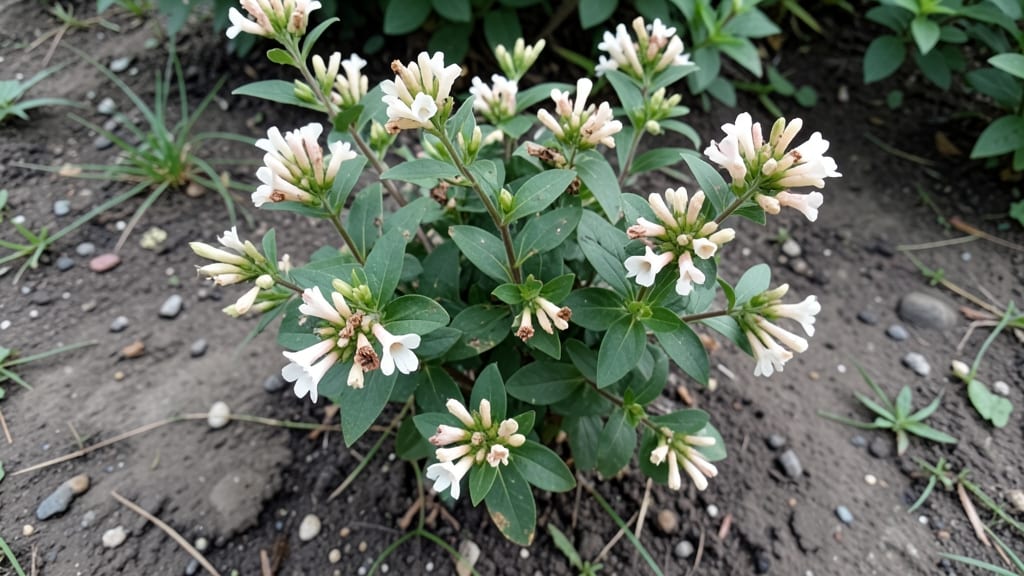
Transforming your small yard into a vibrant display of color starts with the right dwarf flowering tree 🌸 — these compact powerhouses bring seasonal blooms without the space commitment.
Small gardens and urban yards don’t have to miss out on the beauty of flowering trees—dwarf varieties pack stunning blooms into spaces as tight as a patio or as flexible as a container.
I’ve seen Japanese maples in whiskey barrels and dwarf orchid trees thriving in window boxes, proving that size doesn’t limit style.
Choosing the perfect one means matching your space’s light, soil, and your personal taste for spring’s delicate pinks or summer’s bold purples. In USDA Zone 6a, timing matters too—planting in April or May ensures roots settle before summer heat hits.
Below, I’ll walk you through 10 top varieties, how to plant them for maximum blooms, and the simple care tricks that keep them flowering year after year—no green thumb required.
Top 10 dwarf flowering trees for small spaces and containers
If you love the romance of flowering trees but lack space for towering specimens, dwarf varieties are your perfect solution. These compact beauties thrive in containers, small yards, or tight borders while delivering seasonal color and minimal maintenance.
Whether you crave spring blossoms, summer fragrance, or fall foliage, there’s a dwarf tree that fits your vision—and your space. Let’s explore my top 10 picks that stay under 8 feet tall at maturity.
From Japanese maples with delicate lace leaves to crabapples bursting with tiny fruit, these trees offer year-round interest without the bulk. Many tolerate container life beautifully, making them ideal for patios, balconies, or even window boxes.
Below, I’ve curated a list highlighting bloom seasons, color palettes, and ideal growing conditions to help you choose the perfect match for your garden.
Key considerations when selecting: hardiness zone (most thrive in zones 5-9), sunlight needs (full sun to partial shade), and soil preferences (well-draining is critical). All options below are low-maintenance and disease-resistant, with some even drought-tolerant once established.
| Variety | Mature Height | Bloom Season | Color Palette | Sunlight | Container-Friendly? |
|---|---|---|---|---|---|
| Japanese Maple ('Bloodgood') | 6-8 ft | Spring/Fall | Red-purple foliage, orange-red fall | Partial shade | Yes (15+ gal pot) |
| Dwarf Crabapple ('Centennial') | 8 ft | Spring | Pink-white flowers, red fruit | Full sun | Yes (20+ gal pot) |
| Orchid Tree ('Bauhinia variegata') | 5-6 ft | Spring/Summer | Pink-purple orchid-like flowers | Full sun | Yes (large container) |
| Dwarf Fothergilla ('Mount Airy') | 5-6 ft | Spring | White bottlebrush blooms, gold fall | Partial sun | Yes (15+ gal pot) |
| Dwarf Korean Lilac ('Little Prince') | 4-5 ft | Late spring | Lavender-pink fragrant blooms | Full sun | Yes (10+ gal pot) |
| Dwarf Flowering Cherry ('Akebono') | 6-8 ft | Spring | Pink-white double blooms | Full sun | No (ground planting only) |
| Dwarf Serviceberry ('June Bride') | 6-8 ft |
How to choose the right dwarf flowering tree for your gardenSelecting the perfect dwarf flowering tree for your garden starts with understanding your space and climate. These compact trees bring year-round interest with minimal footprint, but their success depends on matching their needs to your conditions. Whether you have a sun-drenched patio or a shady corner, there’s a dwarf variety that will thrive—and bloom beautifully. Before rushing to the nursery, ask yourself three critical questions: How much sunlight does my garden receive? What’s my hardiness zone? And do I prefer spring bursts of color or summer/fall blooms>? Answering these will narrow down your options and ensure your new tree stays healthy for years to come. Key Factors for Choosing a Dwarf Flowering Tree
Pro Tip: Test your soil’s pH—most dwarf trees prefer slightly acidic (6.0-7.0) conditions. Let’s start with sunlight requirements, as this is the most common mistake gardeners make. A Japanese Maple planted in full sun will scorch, while a Dwarf Crape Myrtle in deep shade will struggle to bloom. Check your garden’s light conditions throughout the day—morning sun is gentler than afternoon heat, which can stress delicate blooms. If your space gets only 3-4 hours of light, opt for shade-tolerant varieties like the Dwarf Fothergilla. Next, consider your hardiness zone and microclimate. A Zone 5 garden might handle a Dwarf Korean Lilac, but a Zone 10 climate calls for heat-tolerant picks like the Dwarf Bougainvillea. Always check the minimum winter temperatures your tree can withstand—some varieties (like Dwarf Orchid Tree) need winter protection in colder zones. Grouping trees with similar chill requirements also creates a cohesive garden design. Seasonal interest is where dwarf trees truly shine. Spring bloomers, like the Dwarf Flowering Cherry, offer early-season drama with pink or white blossoms, while summer/fall varieties (e.g., Dwarf Hydrangea) extend your garden’s season. For year-round appeal, mix a spring bloomer with a fall-foliage tree, such as a Dwarf Ginkgo, which turns golden in autumn. Think about your garden’s peak blooming times—do you want color when spring arrives, or do you prefer a summer-long show? Don’t overlook soil preferences, even if your tree is container-grown. Most dwarf flowering trees prefer well-draining, slightly acidic soil, but some (like Dwarf Crape Myrtle) tolerate alkaline conditions. If your soil is heavy clay, amend it with organic matter like compost or peat moss to improve drainage. For containers, use a lightweight potting mix with perlite to prevent root rot—a common issue in compact root systems. Finally, plan for mature size and growth rate. A 3-foot tree in a 5-gallon container will eventually need repotting or in-ground planting if it reaches 8 feet. Measure your space carefully—leave at least 3 feet of clearance around the tree for airflow and future growth. If space is tight, choose a slow-growing variety like the Dwarf Japanese Maple, which matures at a leisurely pace. |