
Landscaping
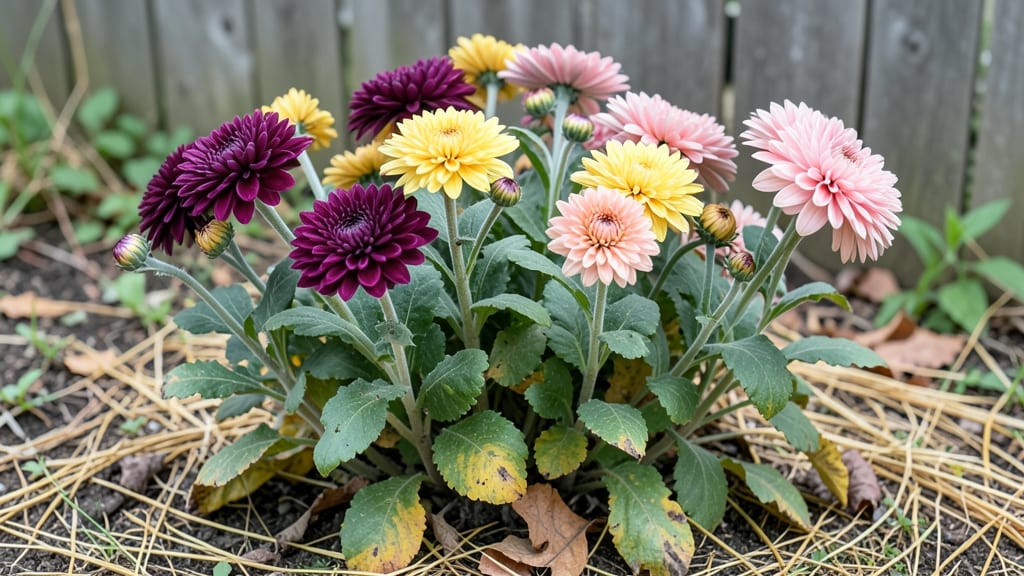
Transforming your garden with fall flower landscaping 🌼 is easier than you think—and the payoff is a yard that stays vibrant long after summer fades.
Fall doesn’t have to mean dull landscapes. With the right flower selection, your garden can burst with warm hues, rich textures, and year-round charm. Whether you’re dreaming of fiery reds, deep purples, or golden yellows, strategic planting turns ordinary spaces into seasonal masterpieces.
You don’t need a green thumb to pull it off. I’ll show you how to mix perennials, annuals, and foliage plants that thrive in autumn, plus how to layer them for continuous color—even through winter. Think of it as your garden’s second act, where every bloom feels like a surprise.
Ready to skip the bare branches? Here’s how to design a fall landscape that keeps your outdoor space lively, low-maintenance, and full of life—no matter what the calendar says.
Best fall flowers for seasonal color palettes and year-round appeal
Fall flower landscaping thrives when you blend seasonal blooms with winter-hardy plants for continuous interest.
The key lies in selecting flowers that transition smoothly from autumn's fiery hues into winter's muted tones. Chrysanthemums and asters dominate fall gardens, but don't overlook ornamental kale and sedum for their textural appeal and cold resilience.
For a cohesive look, organize your palette into three color schemes: warm neutrals (cream, burgundy), fiery reds (crimson, orange), and deep purples (lavender, violet). These combinations create visual harmony while extending your garden's lifespan. Evergreen shrubs like boxwoods can anchor these schemes, providing structure when flowers fade.
Winter hardiness is non-negotiable in fall landscaping. Prioritize plants rated for USDA zones 5-8, as they'll survive frost and even light snow. Many perennial flowers like black-eyed Susans and Russian sage return yearly, reducing replanting costs while maintaining seasonal interest.
Let's explore how to curate your fall flower palette with plants that perform year-round:
My favorite warm neutral palette features cream chrysanthemums paired with burgundy ornamental kale. This combination creates a soft, elegant look that transitions beautifully into winter. Chrysanthemums thrive in cool fall temperatures and continue blooming until frost, while kale adds textural contrast with its ruffled leaves.
For fiery red accents, nothing beats sedum 'Autumn Joy' with its deep copper blooms. This drought-tolerant perennial requires minimal care once established, making it perfect for low-maintenance gardens. Plant it in full sun where it will thrive through fall and even into early winter.
Deep purples like asters and Russian sage add drama to fall landscapes. These plants often bloom later in the season when other flowers have faded. Russian sage is particularly versatile, offering both fragrant foliage and long-lasting blooms that attract pollinators well into autumn.
When selecting fall flowers, consider their mature height and growth habit. Tall varieties like asters should go in the back of borders, while pansies and snapdragons work well in front. This layering creates depth and visual interest throughout the season.
Don't forget about container gardening for fall color. Mix bushy pansies with ornamental grasses in pots for a portable fall display. Choose containers with drainage holes and use well-draining soil to prevent winter rot in cold climates.
For year-round appeal, interplant fall flowers with evergreen shrubs and broadleaf evergreens. Boxwoods, holly, and inkberry provide structure when flowers fade, while winterberry holly offers seasonal berries for wildlife interest.
Regular deadheading extends bloom time by encouraging new flowers. For perennials, cut back foliage in late winter to promote fresh growth. Mulch around plants in fall to protect roots from temperature fluctuations and retain moisture.
With these fall flower combinations, your landscape will remain vibrant well into winter. The secret lies in balancing seasonal blooms with winter-hardy plants while maintaining proper plant spacing and care routines. 🌼🍂🌿
How to design a fall flower landscape with year-round interest
Creating a fall flower landscape that thrives year-round starts with smart layering. The key is blending seasonal blooms with evergreen foliage and structural plants like ornamental grasses. This ensures your garden stays vibrant even after the last fall-blooming flowers fade.
Think of it as creating a visual timeline—each plant has its own peak season, but together they create continuous interest.
Begin by assessing your sunlight conditions and microclimates. A sunny border might host chrysanthemums and sedum, while shadier spots can feature heuchera or Japanese anemones.
The goal is to mix tall plants (like canna lilies) with mid-height perennials (such as black-eyed Susans) and low-growing ground covers (like ajuga or sweet woodruff) for depth and texture.
- 1
- 2
- 3
- 4
- 5
Don’t forget to prune strategically in late winter or early spring. Remove dead foliage from perennials and grasses to make room for new growth, but leave seed heads on some plants (like coneflowers) to attract wildlife and add winter texture.
This simple step keeps your garden looking intentional year-round.
For low-maintenance appeal, focus on native plants and drought-tolerant varieties. These require less watering and are better adapted to your local climate. For example, purple coneflower thrives in dry conditions and blooms from summer to fall, while Russian sage offers late-season color with minimal care.
Test your design in different lighting conditions. Morning sun casts soft shadows, while afternoon light creates bold contrasts. Walk through your garden at various times of day to see how colors and textures shift with the light.
Adjust placements if needed—sometimes moving a bright orange mums cluster to a shadier spot can enhance its vibrancy.
Finally, embrace imperfection. A few wilted leaves or dropping petals add authenticity to a naturalistic garden. The goal is to create a space that feels lived-in and loved, not like a perfectly staged photo.
With these steps, your fall flower landscape will remain a seasonal highlight well into winter. 🍂🌿