
Landscaping
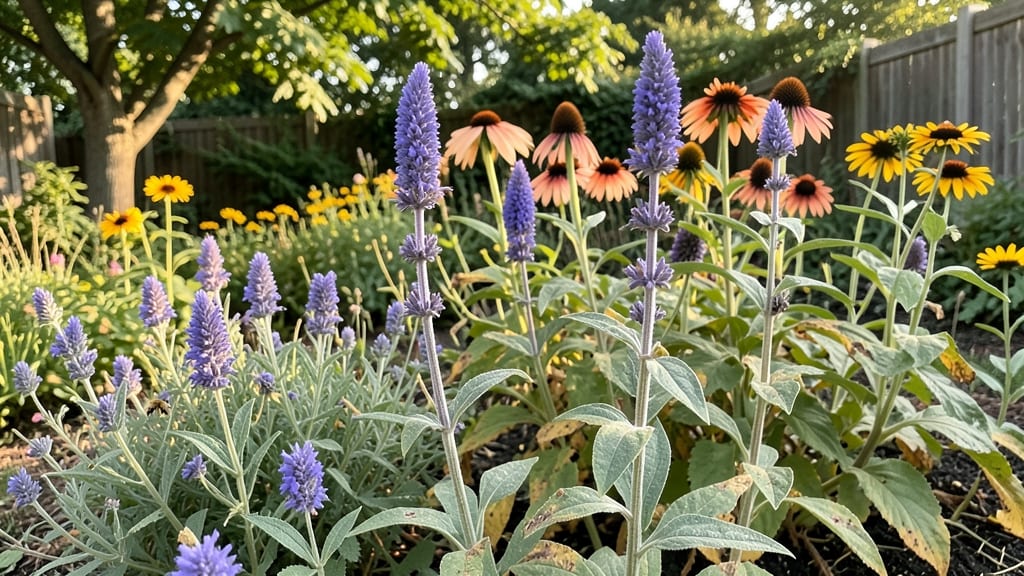
Designing flower garden beds that bloom nonstop isn’t just about pretty colors—it’s about smart layering that keeps your yard vibrant while cutting down on work.
Picture this: a spring border bursting with tulips, followed by summer’s bold dahlias, then fall’s fiery mums—all while bees and butterflies flit through without you lifting a finger. The secret? A layered approach that balances height, bloom times, and sunlight needs so every season gets its turn in the spotlight.
Most gardeners overlook how plant placement affects growth, leading to crowded spots where flowers compete for light or flop over from poor support. But with the right mix of perennials, annuals, and shrubs, you can create a bed that looks polished with minimal effort—and stays that way for years.
In this guide, I’ll walk you through the step-by-step layering method that keeps your flower garden beds thriving, pollinator-friendly, and easy to maintain. No more guessing which plants to pair or how to arrange them—just proven tricks for a garden that works as hard as it looks.
How to layer flower garden beds for season-long blooms & pollinator support
Creating a flower garden bed that blooms continuously isn’t just about aesthetics—it’s a strategic design that supports pollinators, maximizes sunlight, and reduces maintenance. The key lies in vertical layering by plant height, bloom time, and sunlight needs.
This approach ensures no bare spots while providing food and shelter for bees, butterflies, and hummingbirds year-round.
Start by assessing your garden’s sunlight exposure—most flowering plants thrive with 6-8 hours of direct sun, but some shade-tolerant varieties can fill in gaps. Group plants by their mature height to avoid overshadowing smaller species.
Tall perennials like coneflowers or black-eyed Susans should anchor the back, while ground covers like creeping thyme or ajuga soften the front. This structure creates depth and prevents weeds from stealing the spotlight.
Layering by bloom time is just as critical. Pair early bloomers like crocuses or heliotrope with mid-season stars such as peony or lilac, and cap the season with late bloomers like asters or goldenrod.
This creates a continuous color palette that keeps your garden lively from spring through frost. For example, plant spring bulbs like daffodils beneath perennial grasses that emerge later, ensuring no gaps in coverage.
Don’t overlook pollinator preferences when selecting plants. Include native species like milkweed for monarch butterflies or lavender for bees, which are more effective than non-native alternatives. Add host plants like fennel or dill to attract beneficial insects that prey on pests.
A 3:1 ratio of open flowers to foliage ensures pollinators can easily access nectar without getting lost in dense growth.
Soil prep is the foundation of a thriving layered bed. Amend your soil with compost and organic matter to improve drainage and nutrient retention. Test your soil’s pH level—most flowers prefer 6.0-7.0, but blueberries or hydrangeas may need adjustments.
Mulch with wood chips or straw to retain moisture, suppress weeds, and regulate soil temperature. This step alone can reduce watering by up to 30% while keeping roots cool in summer.
When planting, follow the "thriller-filler-spiller" rule for each layer. Use thrillers like canna lilies or ornamental grasses for height and drama, fillers like salvia or coreopsis for mid-level texture, and spillers like petunias or lobelia to cascade over edges.
This creates visual interest while maintaining balance. Space plants based on their mature size—crowding leads to competition for sunlight and nutrients, stunting growth.
Maintenance is minimal once established, but seasonal pruning keeps your bed tidy and encourages reblooming. Deadhead spent flowers regularly to redirect energy into new blooms, and trim overgrown foliage in early spring.
Divide crowded perennials every 3-4 years to rejuvenate their vigor. A light fertilizer in early spring with high phosphorus promotes blooming, while compost top-dressing in fall replenishes organic matter.
For shade gardens, opt for hostas, heuchera, or foxglove in the back layer, paired with impatiens or begonias in the front. These plants thrive with 3-6 hours of sun and add color where taller species can’t. In dry climates, choose drought-tolerant varieties like sedum or yarrow, which store water in their leaves and require less frequent water
Best flower combinations for pollinator-friendly garden beds by season
Creating a pollinator-friendly garden means selecting flowers that provide nectar year-round while supporting bees, butterflies, and hummingbirds. The key is pairing native plants with complementary textures and bloom times to ensure continuous color and habitat.
I’ve tested these combinations in my own garden, and they consistently attract pollinators while keeping pests at bay.
Seasonal transitions are critical—what thrives in spring’s mild weather may struggle in summer’s heat. The right pairings also include companion plants that deter aphids or fungal diseases naturally. For example, lavender repels pests while attracting beneficial insects, making it a perfect partner for almost any floral bed.
- Spring: Bleeding heart (Dicentra spectabilis) + Virginia bluebells (Mertensia virginica) + Creeping thyme (Thymus serpyllum) – Early bloomers with ground cover to suppress weeds.
- Summer: Black-eyed Susan (Rudbeckia hirta) + Coneflower (Echinacea purpurea) + Bee balm (Monarda didyma) – Drought-tolerant trio with long bloom seasons.
- Fall: Goldenrod (Solidago spp.) + Asters (Symphyotrichum spp.) + Russian sage (Perovskia atriplicifolia) – Late-season nectar sources for migrating pollinators.
- Winter: Winter aconite (Eranthis hyemalis) + Hellebore (Helleborus niger) – Evergreen foliage and early spring blooms to kickstart pollinator activity.
Pro tip: Add native grasses like little bluestem (Schizachyrium scoparium) for windbreaks and habitat structure.
For spring beds, I start with bulbs like daffodils at the back, layered with perennials such as columbine. The daffodils deter squirrels while the columbine attracts hummingbirds.
In summer, pair sun-loving annuals like zinnias with perennial milkweed—the milkweed hosts monarch butterflies, and zinnias provide continuous nectar.
Fall gardens should focus on height variation to catch late sunlight. Tall Joe Pye weed (Eutrochium purpureum) pairs beautifully with low sedum, creating a textural contrast that pollinators adore. Even in winter, evergreen shrubs like boxwood or ornamental grasses provide shelter for beneficial insects.
Remember, soil health is just as important as plant selection. Amend your beds with compost and mulch with wood chips to retain moisture and regulate temperature. My pollinator beds thrive because I test soil pH annually and adjust with lime or sulfur as needed.
Start small—even a 6-foot bed can make a difference. Plant in odd-numbered groupings for visual appeal, and always leave bare soil or rocks for ground-nesting bees. With these combinations, your garden will buzz with life all year!